
Is Your Smartphone Secretly Watching You? What You Need to Know About App Privacy
You might think your phone is a private device—just yours to use—but some apps quietly track far more than you realize. It doesn’t always involve hackers peering at your screen. Often, it’s the apps you trust the most quietly collecting location, habits, and usage patterns, sometimes building detailed profiles without a single alert.

Why Apps Track You
Most people assume smartphones are private, but many apps gather more information than users imagine. This isn’t usually real-time hacking—it’s often legal, built-in tracking. Developers use this data to improve functionality, deliver ads, or both. While some tracking is reasonable, others quietly cross boundaries. Recognizing which apps pose risks is the first step toward protecting your privacy.
How Apps Track You
1. Permissions Are Key
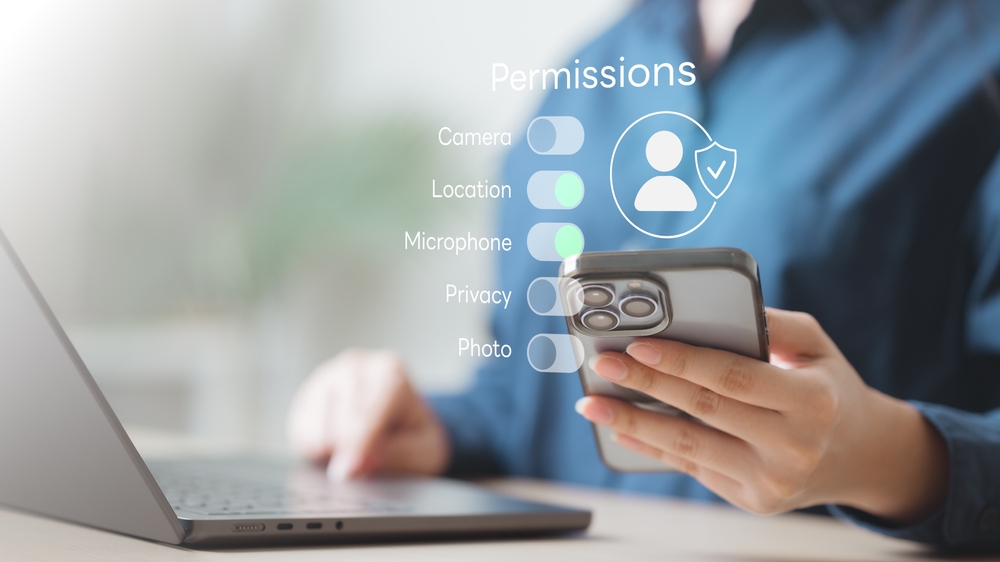
Apps ask for access to location, microphone, contacts, and more during setup. Many users grant permissions without reading fine print, allowing apps to track behaviors behind the scenes.
2. Social Media and Behavioral Tracking
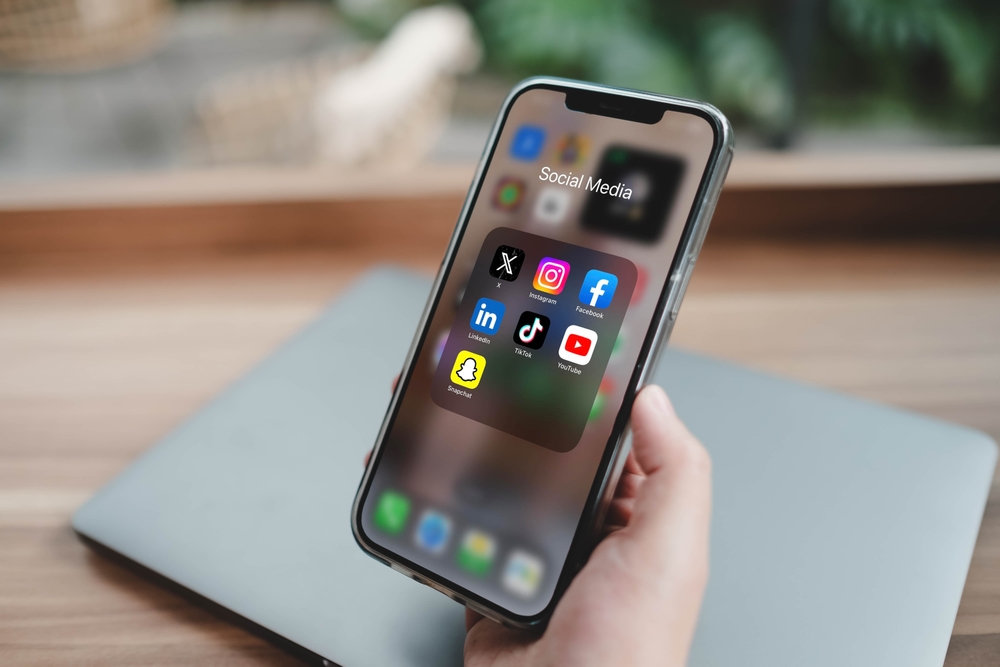
Platforms like Facebook, Instagram, and TikTok monitor more than posts or likes. They track time spent on content, scrolling habits, and cross-app activity—feeding algorithms and shaping highly personalized ad profiles.
3. Free Apps That “Pay” with Your Data
Even simple utilities, games, or flashlight apps may request unrelated permissions. Many include third-party trackers, quietly sharing data with advertisers.
4. Location Apps
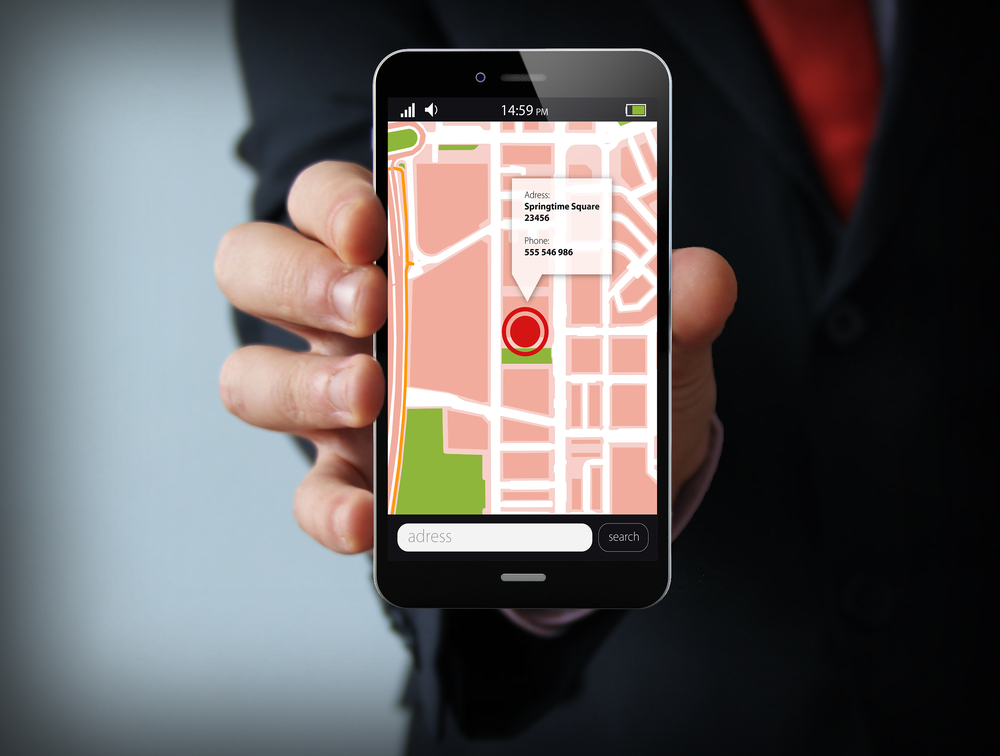
Navigation tools or family trackers can reveal daily routines. Limiting location access to “only while using the app” reduces risk.
5. Keyboard Apps
Third-party keyboards can collect every keystroke, from messages to passwords. Remove unused keyboards to minimize exposure.
6. Microphone and Camera Access
Some apps request these permissions unnecessarily. Even without recording, metadata contributes to detailed user profiles. Regularly review and adjust these permissions.
7. Stalkerware
Apps like mSpy can secretly monitor devices, often marketed for parental control or work, but misused in abusive situations. Detecting and removing stalkerware may require professional assistance.
Older Apps Can Be Risky
Older or abandoned apps may use outdated tracking methods or change ownership, introducing new privacy concerns. Periodically reviewing and removing unneeded apps reduces exposure.
Signs an App Might Be Overstepping
Unusual battery drain
Spikes in data usage
Permissions unrelated to app functionality (e.g., a calculator needing location)
How to Audit Your Phone
1. Review Apps Methodically
Don’t delete everything at once. Check apps you rarely use and consider whether they truly need the permissions they request.
2. Permission Reviews by Category
Start with location, then microphone, camera, contacts, photos, and storage. Limit access to what’s essential.
3. Restrict Background Activity
Many apps run silently, sending updates and tracking usage. Restricting background access saves battery and enhances privacy.
4. Reset Advertising IDs
Advertising identifiers allow cross-app tracking. Resetting them periodically reduces long-term data collection.
5. Manage Cloud Sync
Limit which apps can back up to the cloud to reduce exposure of sensitive data.
6. Factory Reset (If Necessary)
Suspecting stalkerware or unauthorized access? Back up essential data, then reset your phone to remove hidden software.
Legal Protections and Their Limits
Laws like GDPR give rights to access or delete personal data, but they don’t stop apps from requesting excessive permissions. Understanding these limitations sets realistic expectations for privacy management.
Balancing Convenience and Privacy
Modern apps are convenient, but they often come at the cost of privacy. By reviewing permissions, auditing apps, and removing unnecessary software, you can enjoy the benefits of smartphones without giving away your personal life. Privacy isn’t about hiding—it’s about conscious choices.
Conclusion
Smartphones are powerful tools, but vigilance is essential. Many apps collect more data than you realize, sometimes bordering on surveillance. Regular audits, mindful permission management, and careful app selection can put you back in control—ensuring your phone serves you, not the other way around.