
Harris Yulin, Master of Subtle Power on Stage and Screen, Dies at 87
Not all legends make noise. Some leave a mark so profound that it resonates quietly, long after the spotlight fades. Harris Yulin was one of them—a presence that demanded attention without demanding applause. His passing may seem understated to the world, but for those who knew the craft, it is seismic.
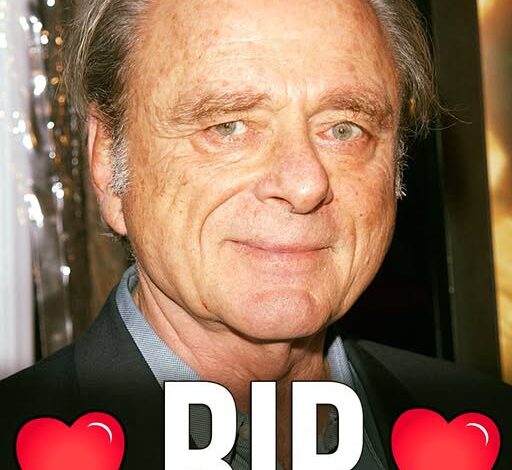
Harris Yulin, a commanding presence on stage and screen, died at 87 in New York City from cardiac arrest. His death closes a chapter in American acting defined not by fame or spectacle, but by a lifetime of discipline, precision, and subtle power. Tributes poured in quietly from colleagues and students who recognized the rare artistry he embodied.
A Life Devoted to Craft
Yulin never sought celebrity; he pursued precision. Over decades, he built a career grounded in intelligence, restraint, and moral seriousness. He was the kind of actor whose presence altered a room without a word. Directors relied on him, fellow actors learned from him, and audiences remembered him—even if they couldn’t immediately place his name.
His body of work spans film, television, and theater. Yulin often appeared not as embellishment but as a foundation, lending credibility to every scene. Whether portraying authority figures, morally complex characters, or quietly menacing presences, he built depth from subtlety. His performances were measured, never exaggerated, and never wasted.
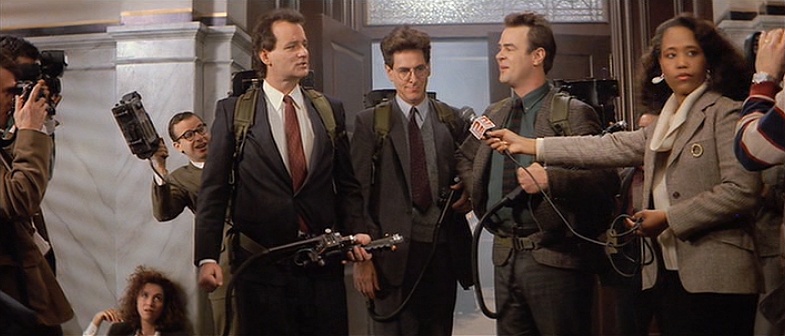
In films like Ghostbusters II, Scarface, and Training Day, Yulin brought control to chaos. Amid louder performances, he offered stability—quiet yet formidable. He understood the power of restraint: a look, a pause, a line delivered with precision. These became his signature.
Television and Teaching
Television offered another canvas. From Frasier to Ozark, Yulin brought the same discipline to each role. Even brief appearances carried gravitas. He never played for approval or sympathy—he played to truth and story.
Teaching was central to Yulin’s life. At Juilliard, he shaped generations of actors, emphasizing that acting is responsibility, not self-expression. Students recalled his exacting methods: demanding but fair, strict but generous. He insisted on preparation, listening, and respect for the text. These lessons resonated far beyond the classroom.
Colleagues echoed similar admiration. Director Michael Hoffman described Yulin as one of the greatest artists he had ever known—not as praise, but as fact. Yulin approached every role as a puzzle to be solved, a story to be served, never a spotlight to claim. In an industry enamored with visibility, his quiet refusal of ego was radical.
A Grounded Life Beyond the Stage
Privately, Yulin lived with the same discipline he demanded professionally. He shared his life with his wife, actress Kristen Lowman, and engaged with the artistic community without courting publicity. He remained grounded, consistent, and serious—never chasing trends or reinvention.
Harris Yulin’s legacy is found in the work itself. It lives in actors who pause before a line, directors who trust silence, and students who learned that preparation is respect. Awards and accolades were secondary; the true measure of his life was the standard he set, the discipline he embodied, and the artistry he elevated.
Conclusion
Harris Yulin’s life reminds us that greatness in art is not always flashy or loud. It is discipline, consistency, and integrity. Through decades of performances, teaching, and mentorship, he raised the bar for everyone around him. His work will continue to guide actors, inspire directors, and influence audiences, leaving a quiet but unshakable mark on the world of theater and film.