
Minneapolis Shooting of Renee Nicole Good Sparks National Debate
When dawn broke over Minneapolis, an ordinary winter morning became a flashpoint of national scrutiny. A snow‑lined street, federal agents, an SUV, and a burst of gunfire — yet the sequence of events remains disputed. As federal officials framed the encounter as justified, videos, eyewitness accounts, and a grieving family have left the public questioning what truly happened.
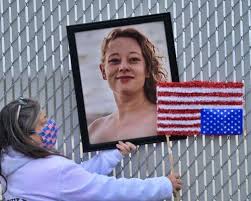
The victim has been identified by her mother as 37‑year‑old Renee Nicole Good, a U.S. citizen, mother of three, and lifelong resident of the Twin Cities. Struck by gunfire during a federal immigration enforcement operation, she later died at a hospital. Family and local leaders have emphasized her life beyond headlines: a devoted parent, compassionate partner, and community member. Her mother described her as “one of the kindest people I’ve ever known,” likely terrified during the encounter rather than threatening.
Federal authorities defended the agent’s actions, citing self‑defense during the enforcement operation. Yet local officials, including Minneapolis Mayor Jacob Frey, and eyewitnesses have raised serious questions, demanding transparency and greater state involvement. Videos from bystanders and federal sources have circulated online, but have done little to settle public doubt.
The incident has ignited widespread reaction. Vigils and protests have erupted in Minneapolis and other cities including New York and Washington, D.C., with demonstrators calling for accountability and reform in federal law enforcement practices. Meanwhile, federal officials, including Department of Homeland Security leadership, continue to affirm that agents acted appropriately, even announcing additional federal deployments — a move that has deepened local mistrust.
Conclusion
Renee Nicole Good’s death puts a human face on a contentious national issue. Competing accounts of the shooting have fueled debate over federal law enforcement authority, use-of-force protocols, and investigative transparency. As protests persist and calls for accountability intensify, Good’s story has become emblematic of the broader struggle for truth, justice, and public trust in institutions tasked with protecting communities.