
Medical Cannabis: Miracle or Marketing? A Reality Check
For years, medical marijuana has been promoted as a cure-all for pain, insomnia, anxiety, and more. Yet a sweeping new review in JAMA suggests the reality is far more complicated: the benefits of cannabis are limited, while risks—from dependence to cardiovascular complications—are real and often underestimated.

What the Evidence Really Shows
The review analyzed studies from 2010 to 2025, prioritizing large, clinically relevant trials. It draws a clear distinction between regulated cannabinoid medicines and dispensary cannabis products. FDA-approved drugs—used for chemotherapy-related nausea, HIV/AIDS-related anorexia, and rare pediatric seizure syndromes—have standardized dosing, predictable effects, and clear evidence of benefit.

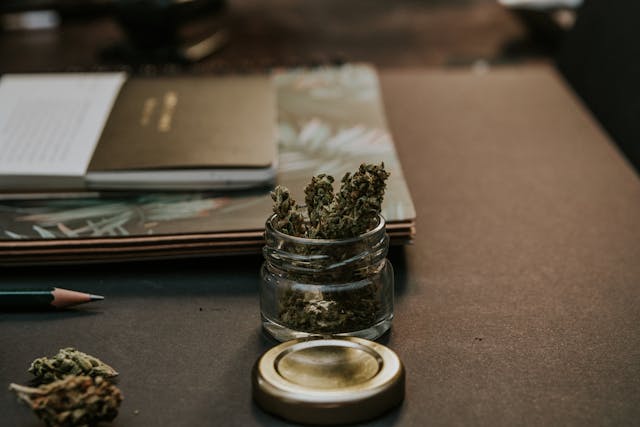
Dispensary cannabis, by contrast, is highly variable in potency, formulation, and psychoactive effect. Claims of relief for chronic pain, sleep, or anxiety are often based on small or observational studies, with results inconsistent at best. Even when some benefits are reported, they rarely translate into improved daily function, mobility, or long-term outcomes.
Risks Are Real
Psychiatric effects: High-potency THC is linked to psychotic episodes and heightened anxiety, especially in adolescents.
Dependence: About 29% of medical users meet criteria for cannabis use disorder; daily, high-potency use increases tolerance, withdrawal, and loss of control.
Cardiovascular concerns: Regular inhaled cannabis is associated with elevated risks of heart disease, myocardial infarction, and stroke, though causality is not fully established.
Interactions: Cannabis can worsen effects of alcohol, sedatives, and medications like opioids or benzodiazepines.
Practical Guidance for Patients and Clinicians
The review emphasizes harm reduction over blanket endorsement. Key recommendations include:
Define clear goals (pain relief, sleep improvement, nausea control) and reassess regularly.
Use the lowest effective dose and avoid high-potency or inhaled products unless specifically indicated.
Screen for contraindications, including psychiatric disorders, cardiovascular disease, and pregnancy.
Monitor for dependence and provide structured support if needed.
Document outcomes to guide continuation, adjustment, or cessation.
Clinicians are urged to replace hype and anecdote with measurable goals, careful monitoring, and patient education. Until more rigorous studies emerge, cannabis remains a tool requiring vigilance, not blind optimism.
Bottom Line
Medical marijuana is not the modern cure-all it is often portrayed to be. While regulated cannabinoid medications have proven, targeted uses, most dispensary products deliver uncertain benefits and carry real risks.
Patients should approach cannabis with informed caution, guided by evidence-based counseling and careful monitoring. Social media claims cannot substitute for rigorous science, careful dosing, or professional oversight.