
What Your Drool Might Be Trying to Tell You
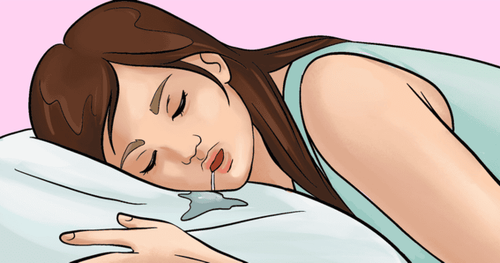
A damp pillow after a night’s sleep is usually shrugged off as a harmless inconvenience. But for some, nighttime drooling—also called nocturnal sialorrhea—can be more than just a quirky sleep habit. While most cases are benign, certain patterns can signal underlying health issues that deserve attention. Understanding why saliva escapes during sleep can reveal overlooked factors affecting your comfort and wellbeing.

Understanding Nighttime Drooling
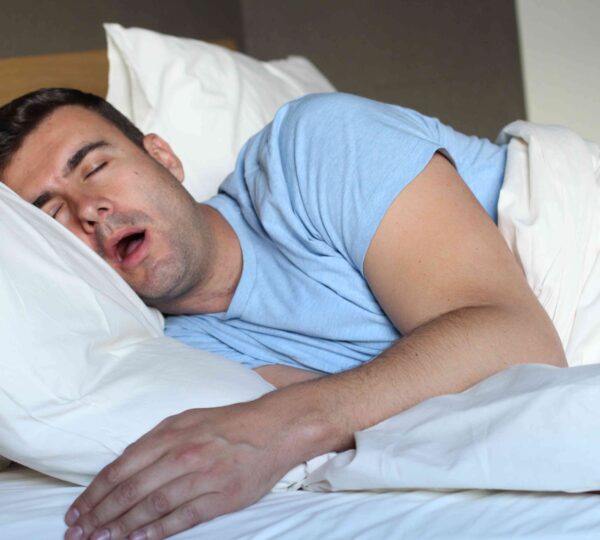
Nocturnal drooling occurs when saliva leaks from the mouth during sleep. It affects people of all ages, though it’s most common in children and infants, whose swallowing reflexes are still developing. In adults, it typically happens during deep sleep stages when facial and oral muscles relax. Sleep position matters: side or stomach sleepers are more likely to drool, while back sleepers often experience less. For most, the result is a damp pillow—annoying but harmless.
When Drooling Could Indicate a Problem

Most nighttime drooling is benign, but medical evaluation is advised if you notice:
Sudden onset in someone who rarely drools
Persistent nightly drooling
Excessive saliva soaking pillows or sheets
Drooling on one side of the mouth
Difficulty swallowing, facial weakness, or other unusual symptoms
These signs could point to underlying conditions that require assessment.
Common Causes
1. Nasal Congestion and Mouth Breathing
Blocked nasal passages force mouth breathing, making drooling more likely. Causes include:
Allergies
Sinus infections or colds
Deviated septum
Enlarged tonsils or adenoids
Addressing congestion with nasal sprays, antihistamines, or medical treatment often reduces drooling.
2. Sleep Position
Gravity affects saliva control. Side and stomach sleepers may notice more leakage, while back sleepers tend to have less. Pillows that support proper head and neck alignment can minimize drooling.
3. Digestive Issues
Acid reflux (GERD) increases saliva production as a protective response. Signs include heartburn, sour taste in the mouth, throat irritation, or nighttime burping. Managing reflux through diet, timing of meals, or elevating the head while sleeping can help.
4. Oral and Dental Health
Inflamed gums, dental infections, or throat infections can trigger excess saliva. Regular dental care and treatment of infections reduce drooling.
5. Neurological or Medical Conditions
Sudden or one-sided drooling may signal neurological problems such as Parkinson’s disease, stroke, or nerve injury. Accompanying symptoms like tremors, facial weakness, or speech changes require prompt medical evaluation.
6. Medications and Lifestyle Factors
Some medications, alcohol, recreational drugs, and even sleep deprivation can affect saliva production or swallowing reflexes. Awareness of these factors helps identify patterns.
Managing Drooling

For mild cases, simple measures often help:
Sleep on your back with a slight head elevation
Address nasal congestion and allergies
Treat reflux or digestive problems
Maintain oral hygiene
Stay hydrated
Consider oral exercises to strengthen muscles

Persistent or severe cases may require medical interventions, such as prescription medications or botulinum toxin injections.
When to Seek Help
Consult a healthcare provider if drooling:
Begins suddenly without explanation
Occurs nightly for weeks
Is one-sided
Comes with swallowing, speech, or neurological issues
Tracking patterns and associated symptoms can aid accurate diagnosis.
Conclusion
Most nighttime drooling is harmless, resulting from deep sleep, posture, or minor nasal or digestive issues. Yet new, frequent, or one-sided drooling may signal underlying health concerns, from reflux and dental problems to neurological disorders. Awareness, proper sleep habits, nasal care, digestive management, and oral hygiene are key to minimizing drooling and improving sleep quality.
Though it can be inconvenient or embarrassing, drooling is rarely serious. Paying attention to changes ensures timely evaluation when necessary, allowing for more restful, safe, and comfortable nights.