
The Hidden Cost of Leaving Devices Plugged In: Why Unplugging Matters More Than You Think
It’s easy to assume that flipping a switch is enough. Turn off a device, and it seems powerless. Yet in many homes, energy quietly leaks away while devices appear dormant.
Could these silent currents be costing more than just money? And what if the same small oversight also creates unseen safety hazards? Unplugging may seem trivial, but its ripple effects reach deeper than most realize.
The Invisible Drain: Standby Power
Many households understand that unplugging appliances is wise, yet few recognize the subtle, cumulative power of the habit.
Even when devices are turned off, they often continue to draw electricity—a phenomenon known as standby power or phantom load. It’s an almost invisible drain, quietly consuming energy while providing no benefit.
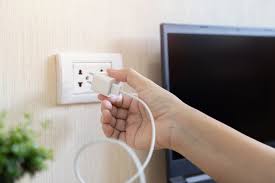
Televisions, cable boxes, phone chargers, microwaves, gaming consoles, and computers all fall into this category. A single device may use only a few watts per hour, but multiply that across multiple devices—and across weeks and months—and the effect is substantial. Estimates suggest that phantom power can account for 5–10% of a household’s electricity use, representing hundreds of dollars per year in wasted energy. What seems trivial in the moment becomes significant over time.
Safety Risks Hidden in Plain Sight
The issue isn’t purely financial. Many common household devices generate heat, and when left plugged in for long periods, even turned off, they carry latent safety risks. Hair dryers, curling irons, space heaters, and coffee makers can overheat if malfunctioning components remain live. Unplugging these appliances eliminates the danger at the source—preventing small risks from becoming catastrophic—without requiring alarms, inspections, or constant worry.
Electrical fires often start silently, hidden in cords, plugs, or internal circuits. Unplugging idle devices is one of the simplest yet most effective preventive measures, protecting not just energy but the safety of your home and loved ones.
Practical Approaches: Making Unplugging Work
Mindfulness, not obsession, is the key. Not every appliance requires constant disconnection. Washing machines, dryers, and refrigerators are better left plugged in, as their frequent use makes repeated unplugging impractical. Focus instead on idle electronics, devices used intermittently, or items with standby functions.
Several practical tools make unplugging easier:
Power strips: Switch off multiple devices simultaneously, eliminating phantom energy draw without unplugging each cord.
Smart plugs and timers: Automate disconnection on a schedule, reducing effort while maintaining convenience.
Simple routines: Unplug chargers before leaving the house, turn off entertainment systems at bedtime, or designate a weekly check to disconnect seldom-used appliances.
Even small, consistent steps accumulate over time, turning conscious effort into habit.
Beyond Energy: Mindful Habits and Home Stewardship
The benefits of unplugging extend beyond electricity savings or safety. Engaging with these small, intentional actions cultivates a broader sense of awareness and control over our environments. In an age of constant connectivity, our homes often run on autopilot, with devices drawing energy silently in the background. By unplugging, we assert mindful stewardship over the systems that power our daily lives.
Over weeks and months, this practice translates into:
Lower energy bills and reduced environmental impact
Decreased risk of preventable accidents or electrical fires
A sense of order, intentionality, and care for the home
Heightened awareness of consumption patterns and habits
These ripple effects transform what might seem a minor chore into a meaningful lifestyle choice.
Conclusion
Unplugging household devices is more than a trivial habit—it is a quiet but powerful form of protection, energy management, and mindful living. By paying attention to the devices that quietly draw power and consistently taking small steps to disconnect idle appliances, households can reduce waste, lower costs, and prevent hazards before they occur.
In the end, mindful unplugging demonstrates that the simplest actions—flipping a plug, switching off a strip—can accumulate into tangible benefits for our wallets, our homes, and the environment. It’s a reminder that even the smallest habits, repeated consistently, hold the power to create meaningful, lasting impact.