
Lately, during late-night scrolls through health forums, I’ve been struck by a recurring theme.
People describe sudden waves of dizziness, strange tingling sensations, or waking up unable to get words out—symptoms that seem to appear without warning. What’s even more unsettling is how many of these episodes follow completely ordinary routines: a heavy dinner, a nightcap, or lying down right after eating. It raises an important question—could everyday habits quietly nudge stroke risk upward without anyone noticing?

Strokes often arrive abruptly and without any hint of trouble beforehand. You might feel perfectly normal one moment and then suddenly struggle to move or speak the next. It’s a harsh reality that affects millions, despite research showing that the majority of strokes—up to 80%—could be prevented. The encouraging news?
Lowering your risk doesn’t necessarily involve expensive treatments or complicated routines. Often, small, consistent lifestyle shifts are enough to make a meaningful difference. In this guide, we’ll look at how the period right after eating and the hours before sleep can influence your long-term stroke risk.
Why the Post-Meal and Pre-Bedtime Window Matters

After you eat, your body experiences natural rises in glucose and insulin, and what you do during this window affects how efficiently these levels stabilize. Closer to bedtime, your internal clock begins preparing your cardiovascular system for overnight recovery—blood pressure naturally dips, and metabolic processes slow.
But habits like eating late, having alcohol before bed, or keeping irregular sleep schedules can interfere with these rhythms, subtly elevating cardiovascular and stroke risk over time. Below are practical habits that can support healthier patterns.
Don’t Lie Down Right After Eating

Stretching out on the couch after a meal may feel tempting, but it can push stomach contents upward, triggering acid reflux. Chronic nighttime reflux can irritate your esophagus and disrupt sleep quality. Try staying upright for two to three hours after finishing a meal, and avoid eating too late. If you’re prone to nighttime reflux, finishing dinner earlier can make an especially big difference.
Opt for a Brief Walk Instead

Research from the National Library of Medicine highlights the benefits of light movement after meals. A short walk helps your muscles soak up circulating glucose, preventing sharp spikes that strain blood vessels.
Regular post-meal movement also supports healthy blood pressure, body weight, and cholesterol—key factors in lowering stroke risk. Even on days when you can’t get outside, simple indoor tasks or gentle exercises help keep you from sitting still too long and can noticeably improve your energy.
Avoid Drinking Alcohol Right After Eating

While a drink with dinner may seem relaxing, alcohol has a complicated relationship with blood pressure. It may temporarily lower it, but later in the night it tends to raise blood pressure instead. It can also disrupt sleep architecture and, when consumed in excess, increase the risk of arrhythmias. Since heavy drinking is strongly connected to hypertension and stroke, the long-term risks far outweigh any short-lived comforting effects.
Try Not to Eat Dinner Too Late
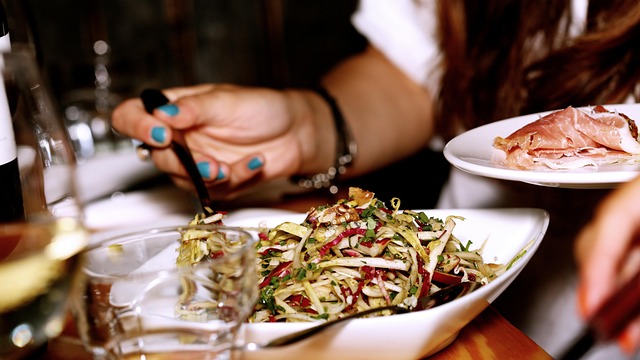
Your body naturally prepares for rest as evening approaches. Eating late forces your digestive and metabolic systems to stay active longer than they should, leading to higher nighttime blood sugar, more reflux, and poorer sleep. Aiming to finish dinner two to three hours before bedtime supports steadier nighttime physiology. When late meals are unavoidable, keep them light to ease the metabolic load.
Stick to a Regular Sleep Schedule
Irregular bedtimes have been linked to a greater risk of cardiovascular issues—even in people who clock the same total number of sleep hours. Prioritize 7–9 hours of sleep per night and try to keep your sleep and wake times consistent.
A calming pre-sleep ritual—lower lights, a warm shower, or a few minutes of reading—signals your body that it’s time to wind down. If you tend to stay up late, shift your bedtime gradually, about 15 minutes earlier each night.

Skip Alcohol Right Before Bed
Just as alcohol isn’t ideal right after a meal, it’s also unhelpful right before sleep. While it might make you feel drowsy initially, it disrupts REM sleep and leads to more awakenings later. This pattern creates unstable overnight blood pressure and reduces your body’s ability to recover. If you do drink in the evening, hydrate well and stop a couple of hours before turning in.

Limit Caffeine in the Late Afternoon and Evening

Quality sleep is one of the strongest defenses against stroke, and caffeine too close to bedtime significantly undermines it. One study showed that caffeine consumed even six hours before bed still affected sleep quality.
To protect your nighttime rest, cut off caffeine intake by late afternoon. Consistent sleep is one of the simplest—and most powerful—ways to safeguard cardiovascular health.
✔ Final Thoughts
Stroke prevention isn’t always about dramatic lifestyle changes. Often, the most protective habits are small, steady choices made throughout the day—especially after meals and before sleep. By aligning these everyday routines with your body’s natural rhythms, you support healthier blood pressure, better sleep, and more stable metabolic function. Over time, these subtle adjustments can significantly reduce your stroke risk and strengthen your long-term well-being.