
The warning arrived before the verdict—and it was unmistakable.
As the Supreme Court moves closer to deciding a case that could redefine the limits of presidential power over trade, President Donald Trump is sounding the alarm. What may appear to be a technical dispute over tariff authority, he argues, carries the potential to disrupt the U.S. economy on a scale that could take years to untangle.

Trump has described the prospect bluntly: if the Court invalidates his tariff program, the fallout would be nothing short of disastrous. The statement reflects how central tariffs have become to his economic worldview—and how high the stakes are as the nation’s highest court weighs in.
Tariffs at the Core of Trump’s Economic Strategy
Since returning to office, Trump has treated tariffs not as temporary bargaining tools but as structural pillars of economic policy. In his view, they correct long-standing trade imbalances, pressure foreign governments to renegotiate terms, encourage domestic manufacturing, and strengthen national security.
He has consistently argued that decades of trade policy left the United States vulnerable—outsourcing jobs, hollowing out industries, and allowing other nations to benefit disproportionately. Tariffs, he says, are the mechanism to reverse that trajectory. From his perspective, striking them down would dismantle an entire framework rather than merely roll back a policy.
From Trade Tool to Revenue Source
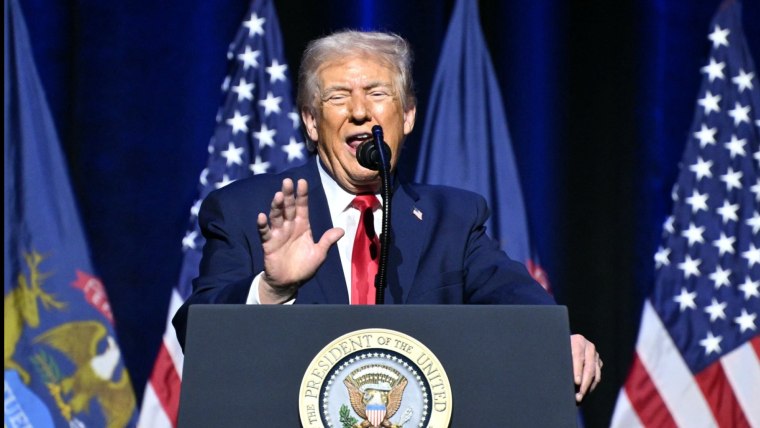
In recent months, Trump has expanded the argument beyond trade enforcement.
He has publicly suggested that tariff revenue could be redirected to Americans directly, floating the idea of payments of at least $2,000 per person, particularly for low- and middle-income households.
While no formal proposal has been released, the idea has sharpened attention on the legal challenge. A ruling against the administration would not only weaken Trump’s trade agenda but also erase expectations that tariff income might translate into direct financial relief.
The Legal Issue Before the Court
At the heart of the case is a constitutional question: does the president have the authority to impose sweeping tariffs without explicit approval from Congress?
The administration has relied on the International Emergency Economic Powers Act (IEEPA), a law passed in 1977 that grants the president broad authority over economic transactions during national emergencies. Trump invoked the statute after declaring persistent trade deficits a threat to national security and economic stability.
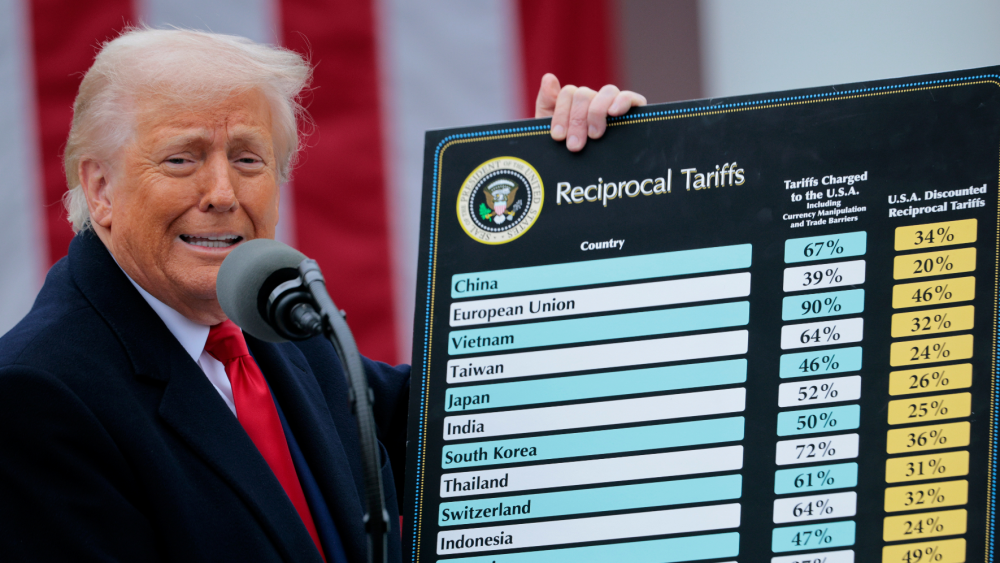
Under that justification, tariffs were imposed on more than $150 billion in imports, affecting major U.S. trading partners including China, Canada, India, and the European Union. The administration framed them as “reciprocal” measures, designed to counter barriers faced by American exporters.
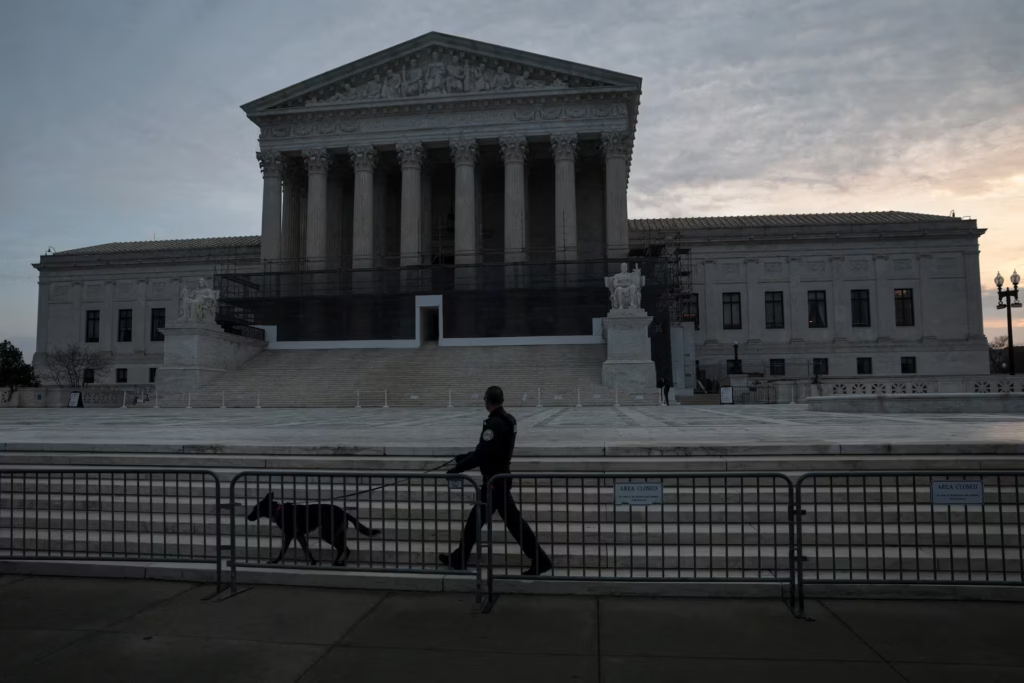
Opponents argue that trade deficits do not constitute the type of emergency envisioned by the law and that the administration’s interpretation stretches executive authority beyond its intended limits. Those arguments form the basis of the legal challenges now before the Supreme Court.
Lower Courts Have Already Weighed In
The U.S. Court of International Trade ruled last year that the tariffs exceeded presidential authority, a decision later upheld by the Federal Circuit Court of Appeals. Those rulings placed the fate of the tariffs squarely in the hands of the Supreme Court.
Although the Court had the opportunity to rule earlier, it declined to do so, leaving the tariff regime in place—for now—while uncertainty continues to ripple through global markets.
Trump has framed the pending decision as pivotal. In public statements and on social media, he has warned that overturning the tariffs would unleash consequences far beyond trade policy.
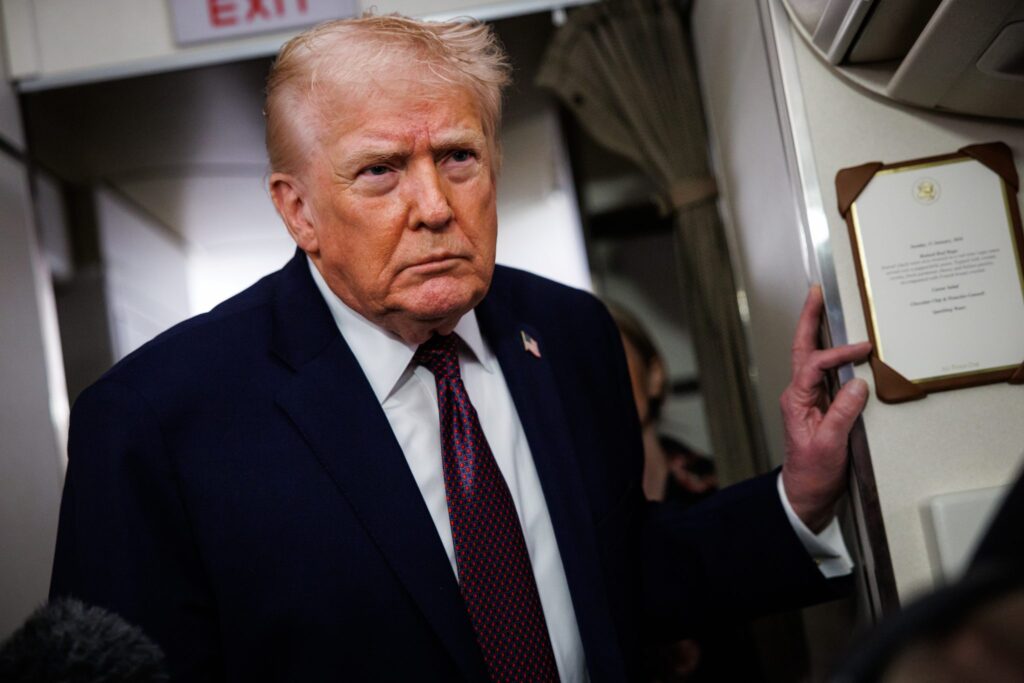
Trump’s Prediction: Enormous Financial Exposure
According to Trump, a ruling against the administration would require the federal government to refund vast sums already collected—potentially amounting to hundreds of billions of dollars.
But he argues that refunds are only the beginning. Companies and foreign governments, he says, have already invested heavily in response to the tariffs—building factories, reconfiguring supply chains, and purchasing equipment. If the legal foundation collapses, Trump warns, those entities could seek compensation for losses tied to those decisions.
Taken together, he claims, the financial exposure could climb into the trillions, creating an economic burden that would be extraordinarily difficult to manage.
Beyond Dollars: Executive Power on Trial
The implications of the case extend well beyond economics. A ruling against the administration would set a precedent limiting presidential authority to act unilaterally in trade and economic matters, reinforcing Congress’s role in setting policy.
Supporters of Trump’s approach argue that global trade disputes require speed and flexibility that legislative processes cannot provide. Critics counter that bypassing Congress erodes democratic oversight and risks destabilizing international trade relationships.
Escalation Amid Uncertainty
Even as the case looms, Trump has expanded his tariff strategy. He recently announced a 25% tariff on goods imported from any country that maintains commercial ties with Iran, effectively pressuring third-party nations to choose between access to U.S. markets and continued trade with Tehran.
The move has drawn criticism from economists and foreign governments alike, particularly those whose economies depend on complex regional trade networks.
Growing Backlash and Legal Pressure
More than a thousand lawsuits have been filed challenging the tariffs, many brought by large importers facing higher costs and regulatory uncertainty. Consumers, meanwhile, have seen price increases on goods affected by the measures.
Trump maintains that dismantling the tariff system would be extraordinarily complicated, involving years of disputes over refunds, liability, and compensation.
In one of his starkest warnings, he summarized the stakes in blunt terms, declaring that a ruling against the administration would leave the country in serious trouble.
Conclusion
Trump’s warning is more than rhetoric. It underscores how deeply tariffs are woven into questions of economic policy, executive authority, and America’s role in global trade.
As the Supreme Court prepares to decide the case, the outcome will shape not only the future of Trump’s tariff agenda but also the boundaries of presidential power during economic crises. Whether viewed as a defense of national interests or a necessary check on executive overreach, the ruling will leave a lasting imprint on U.S. trade policy and constitutional governance for years to come.d.