
A Childhood Marked by Trauma
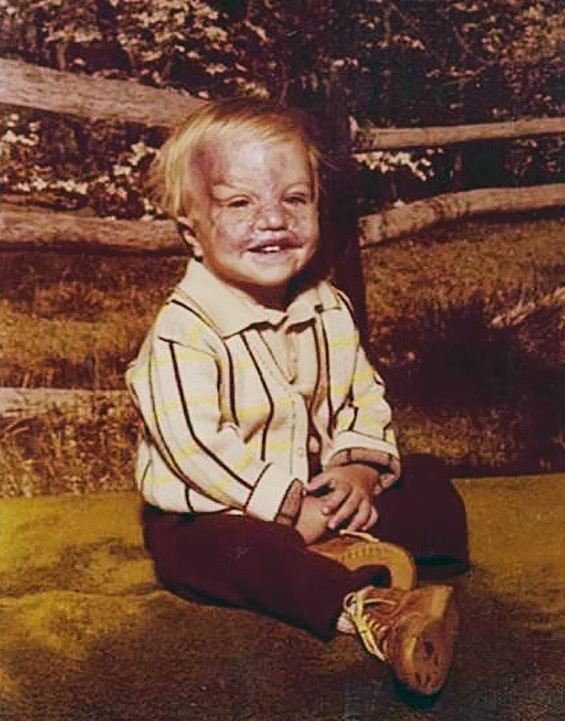
On November 18, 1978, in Flint, Michigan, 14-month-old Keith suffered a brutal attack. His mother’s boyfriend, enraged by his cries, pressed Keith’s face to an electric heater, causing third-degree burns over half his face. Doctors feared he would not survive the night. Against the odds, he did.

The months that followed involved repeated hospital stays and long-term treatment at the Shriners Burn Institute in Cincinnati. Beyond the physical scars, Keith’s early life was marked by instability—he became a ward of the state, lived in foster care, and only reunited with his mother after she was cleared of wrongdoing. The man responsible received a mere ten-year sentence, leaving a lingering sense of injustice.
Struggle and Turning Point
Keith endured bullying, isolation, and early exposure to alcohol at age 13, using substance abuse to numb decades of pain. His twenties were clouded by addiction, depression, and legal troubles. Yet on his 35th birthday, amid another binge, a moment of clarity sparked a decision to transform his life. He chose to survive differently, to embrace change, and to pursue purpose.
Keith rebuilt himself professionally, achieving success in corporate sales with Dell and Coca-Cola. Recognized for excellence, he managed challenging routes and earned top awards, proving that resilience could translate into tangible achievement.
Transforming Pain Into Purpose
In 2016, Keith founded the Keith Edmonds Foundation, a nonprofit dedicated to empowering abused and neglected children.
Programs like Backpacks of Love provide foster kids with essentials for their first days in care, while Camp Confidence offers mentorship and summer experiences that help survivors reclaim self-worth.
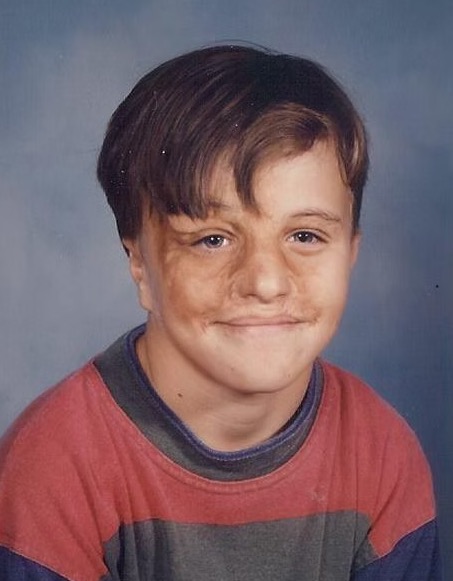
Keith’s own scars lend him authenticity. Children and students connect with him because he has lived their struggles firsthand. One principal noted, “They relate to him because he wears the scars of his abuse every day, and he doesn’t fill them with empty words. They immediately trust him.” Through mentorship, speaking engagements, and advocacy, Keith has turned trauma into a bridge for others, proving that survival can evolve into service.
He emphasizes forgiveness not as excusing wrongdoing, but as a path to perspective: “It does not excuse the person’s actions, and you do not forget, but it gives you a better perspective on life.”
Conclusion
Keith Edmonds’ journey is a testament to the power of resilience and transformation. From a toddler fighting for life to a man inspiring thousands, he shows that even the deepest wounds can become catalysts for hope, purpose, and action. Scars do not define us—they can guide us toward extraordinary strength, empathy, and the ability to uplift others. Through his foundation and mentorship, Keith proves that the darkest beginnings can lead to the brightest futures.