
Claudette Colvin: The Teenage Spark Behind the Montgomery Bus Boycott
What if one of history’s most celebrated moments had a hidden first act? Long before Rosa Parks became a household name, a brave 15-year-old in Montgomery quietly challenged the system. Her story nearly vanished—but its impact would echo through courts, buses, and the conscience of a nation.
In March 1955, Claudette Colvin refused to give up her seat on a segregated bus in Montgomery, Alabama. Arrested for her defiance, she acted nearly a decade before she would appear in history books—and nine months before Rosa Parks’ famous protest.
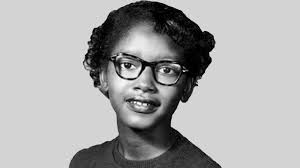
Colvin’s case did not ignite widespread protest at the time. While Parks later became the emblem of the Montgomery Bus Boycott, Colvin’s courage largely remained in the shadows. She later reflected that she felt anger, not fear, convinced she was “sitting in the right seat,” both morally and legally.
Yet her role behind the scenes was crucial. In 1956, the Supreme Court ruled bus segregation unconstitutional, relying on testimony from four plaintiffs in a federal case—one of whom was Claudette Colvin. Her actions helped dismantle segregated transit systems across the United States.
Colvin eventually moved to New York, pursued a career as a nurse, and lived largely outside public attention. Decades later, historians recognized her pioneering contributions. Her life exemplifies the quiet power of courage—how meaningful change often begins long before the world is ready to applaud.
Conclusion
Claudette Colvin’s story reminds us that history is shaped not only by those in the spotlight, but also by brave individuals who act when no one is watching. Her defiance at 15 set in motion a legal and moral revolution, proving that courage—especially in youth and obscurity—can ignite lasting change.