
The Secret Purpose of the Drawer Beneath Your Oven
It sits beneath the oven in millions of kitchens, opened and closed countless times without a second thought. Most people assume they understand its role—but this familiar drawer may be one of the most misunderstood features in the modern home.
Long treated as extra storage, its true purpose has quietly faded from public awareness, raising a surprising question: could this everyday habit be not just wrong, but even unsafe?
The kitchen is often described as the heart of the home—a space where meals are prepared, conversations unfold, and daily life takes shape.
While attention typically falls on appliances, countertops, and cabinets, one unassuming feature frequently escapes notice: the drawer directly beneath the oven.

For decades, homeowners have used this drawer as a convenient storage space for baking trays, roasting racks, or oversized cookware. Its position makes it feel logical, and the habit has become so ingrained that few question it. Yet the original intention of this feature tells a very different story.
Historically, many ovens—especially older gas and electric models—were built with warming drawers rather than storage compartments. Manufacturers designed these drawers to solve a common cooking challenge: keeping food warm without continuing to cook it while other dishes were still in progress or guests were delayed.
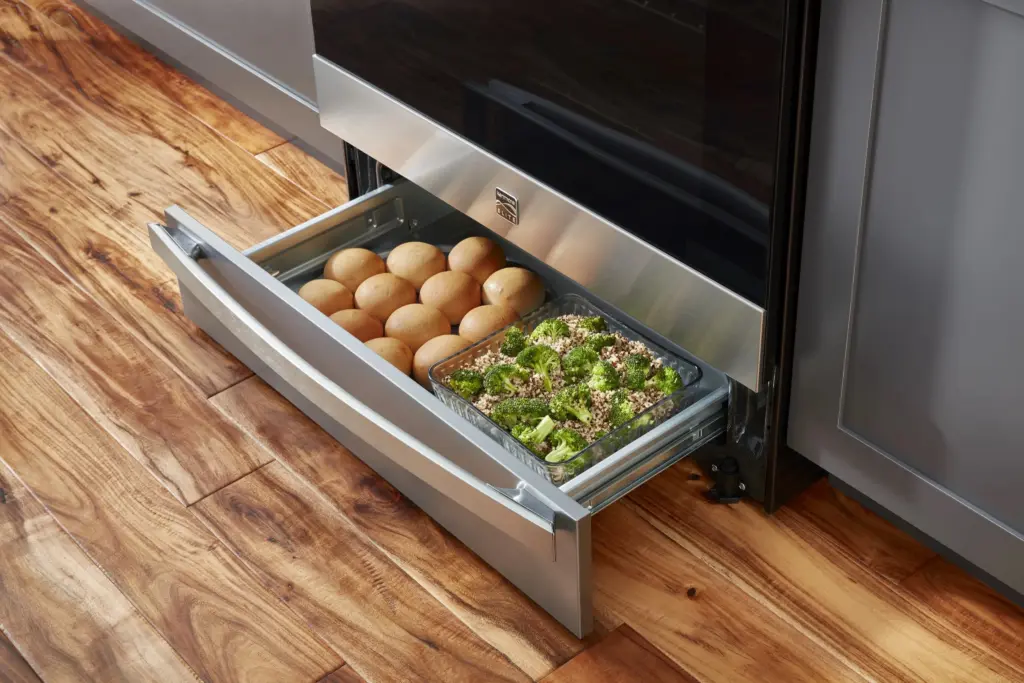
Warming drawers operate at a gentle, consistent temperature, typically between 140°F and 200°F, preserving moisture and flavor without overcooking. Unlike standard ovens, which cook at much higher heat, warming drawers allow flexibility during large meals, multi-course dinners, or holiday gatherings.
Plates can be warmed, side dishes held, and baked goods kept at the perfect serving temperature—without constant reheating.
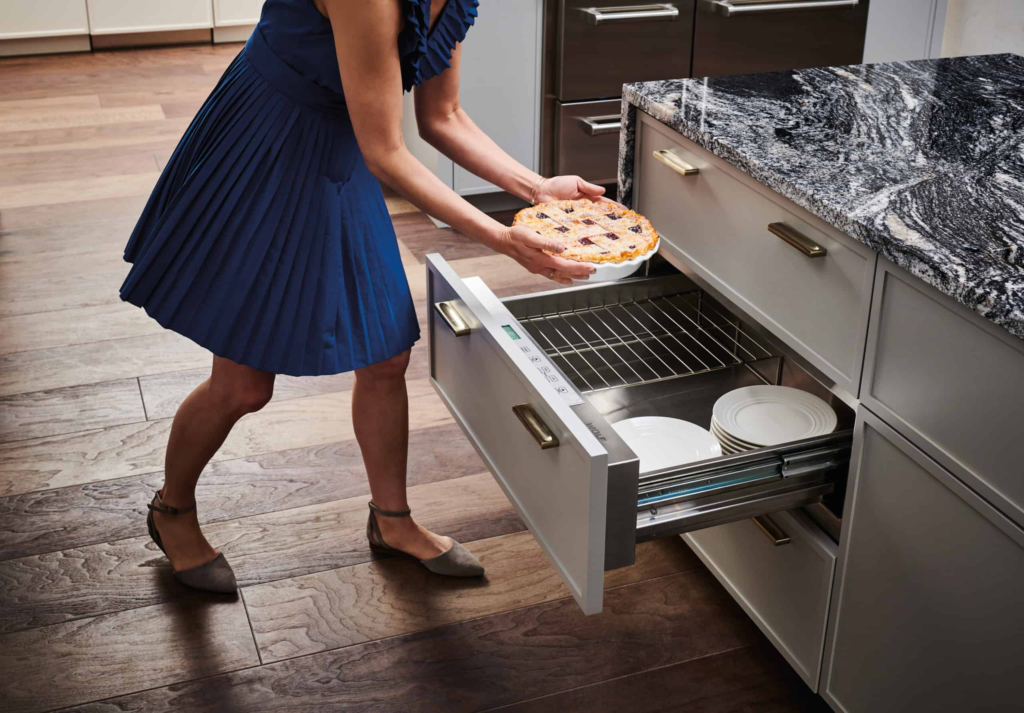
Over time, the line between warming drawers and storage drawers blurred. Some modern ovens include drawers strictly for storage, while others retain true warming functionality. The confusion persists because most look identical from the outside.
The key difference lies inside: warming drawers contain heating elements, insulation, and sometimes temperature controls linked to the oven panel. Storage drawers do not. The most reliable way to identify which type you have is by checking your appliance’s manual or manufacturer specifications.
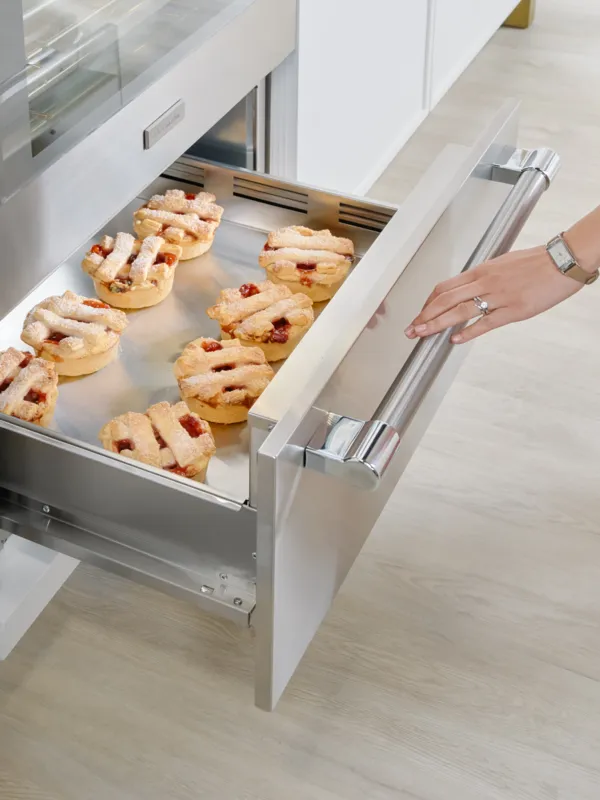
Misusing a warming drawer as storage can introduce risks. Even when not actively set to warm, residual heat from the oven above can warp cookware, damage nonstick coatings, or create fire hazards if flammable items are stored inside.
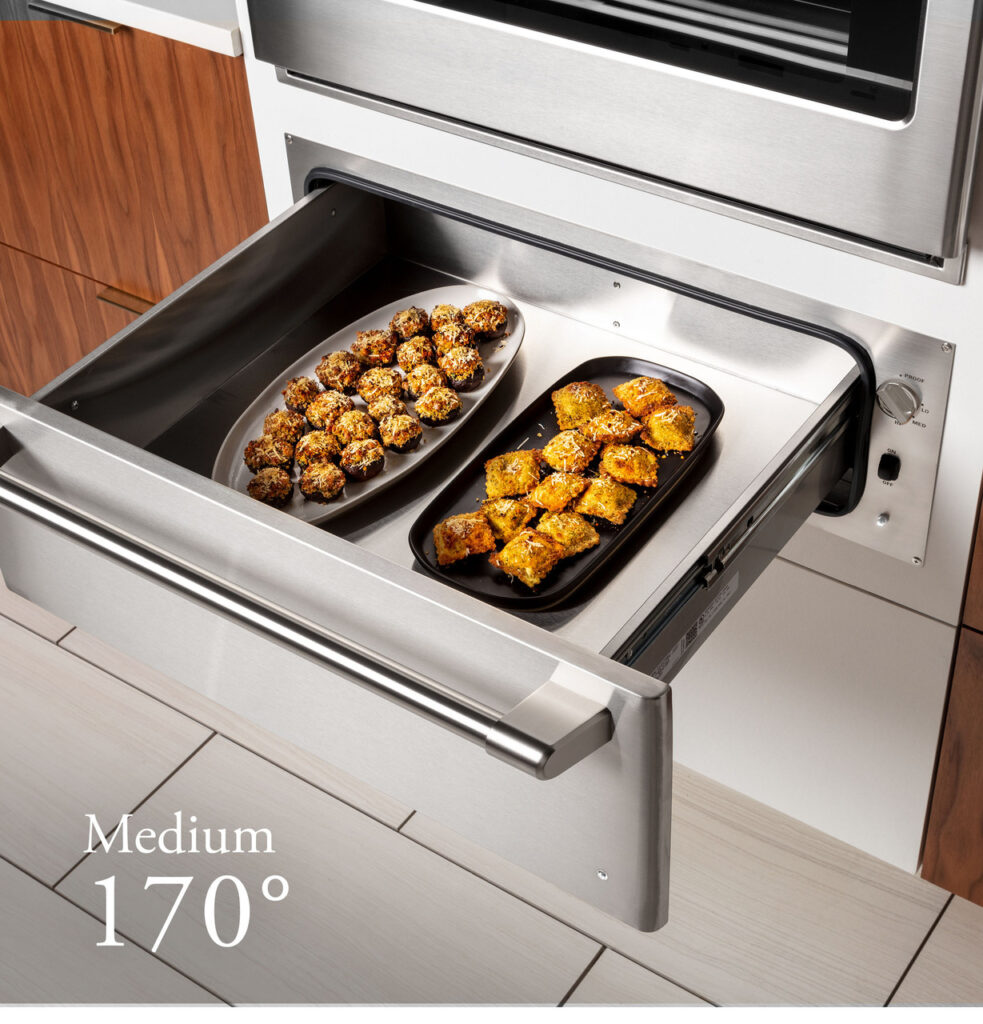
Used correctly, warming drawers offer a range of benefits. They can keep meals ready without overcooking, warm plates before serving, preserve bread or pastries, and even proof dough—providing a stable environment for yeast activity, as professional bakers do.
This widespread misunderstanding reflects a broader issue in modern homes: appliance features often go underused or misused simply because their purpose is unclear. Innovations designed to improve convenience and efficiency can become forgotten over time.
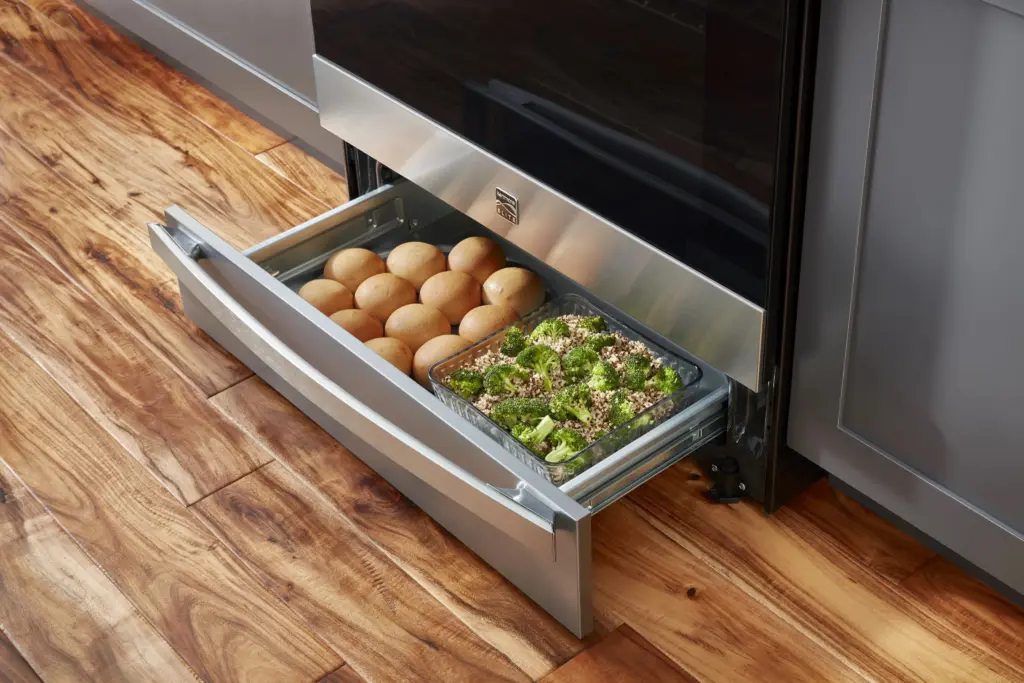
Understanding the true function of the drawer beneath your oven is more than trivia. It enhances kitchen safety, protects your cookware, and improves the cooking experience. By identifying whether your oven includes a warming drawer and using it as intended, you can avoid unnecessary risks and unlock its hidden utility.
Conclusion
The drawer beneath your oven is not merely an afterthought—it is an intentional design feature shaped by practical needs. Whether it functions as a warming drawer or storage space depends on your appliance, but its value lies in understanding its purpose.
With awareness and proper use, what was once overlooked or misused can become a quietly powerful tool—helping you time meals better, protect your cookware, and create a smoother, more thoughtful kitchen experience.