
When a Thumbs-Up Isn’t So Friendly
What if something you thought was harmless—a simple thumbs-up—was quietly sending the wrong message? In offices, group chats, and text threads across the country, a symbol meant to signal agreement or approval has become a source of tension. And no one seems to notice… except the youngest adults entering the workforce.
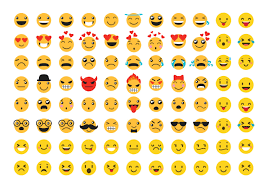
For Baby Boomers and Gen X, decoding millennials’ quirks was a challenge. Now, it’s Gen Z’s turn to baffle older generations with new norms and social cues. One surprising example? The thumbs-up emoji.
What many consider a friendly, neutral response is often read by younger users as cold, impersonal, or even passive-aggressive.
A recently hired Gen Z employee shared their experience on Microsoft Teams:
“At my new job, most colleagues react with the thumbs-up emoji because it’s quick and available. I rarely use it. I tend to heart reactions or reply with a short ‘Great!’ or ‘Thanks!’ Still, whenever someone sends a thumbs-up, it just feels… off. Does anyone else feel the same?”
Responses poured in from peers who agreed. One 24-year-old noted that the thumbs-up can feel passive-aggressive. Another suggested it seems unsettling precisely because it’s impersonal—something Gen Z notices when authenticity matters.
This isn’t just about emojis. It highlights a broader truth: symbols evolve. Their meanings aren’t fixed—they shift with culture, context, and generational perspective. What seems casual and friendly to one age group can feel cold or dismissive to another.
Takeaway
In a digital world, even small gestures can carry unintended weight. A simple thumbs-up might signal agreement to you—but to someone else, it could feel distant, curt, or out of touch. Awareness of these nuances transforms potential misunderstandings into opportunities for empathy and clearer communication—one emoji at a time.