
More Than a Meal: How Hospice Chefs Bring Comfort and Dignity to Life’s Final Chapter
What would you choose as your last meal? For most of us, it’s a question we avoid—but in hospice care, it becomes profoundly real. Behind hospital doors, patients make requests that are often simple, yet deeply revealing, holding memories, desires, and emotions that have long been tucked away.
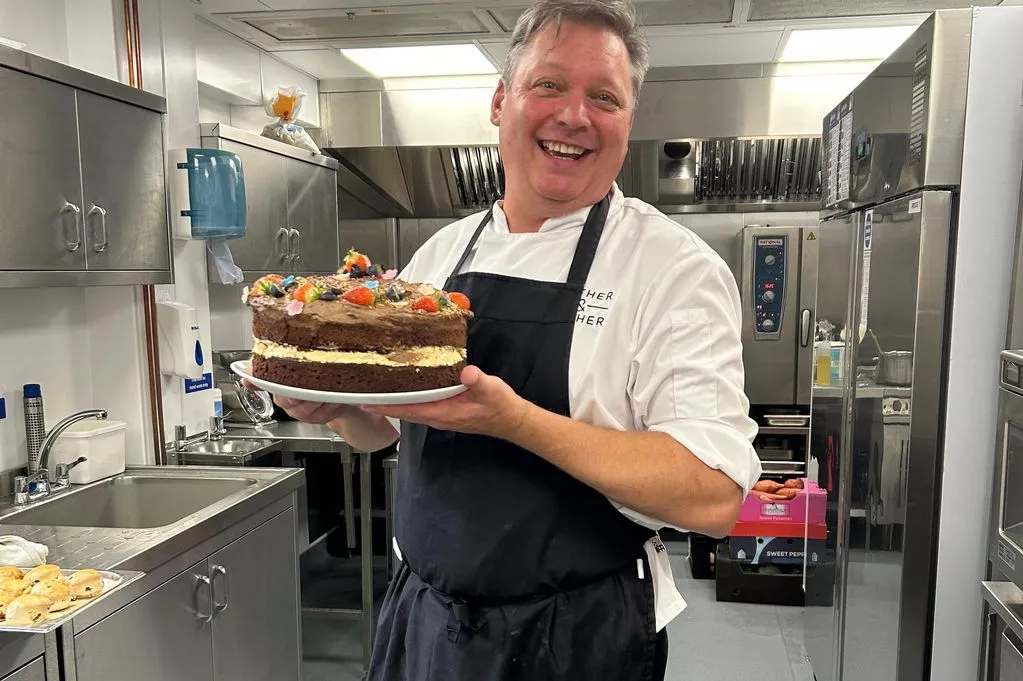
At Sobell House Hospice in the UK, Chef Spencer Richards witnesses these choices every day, offering a perspective that challenges how we think about food, memory, and dignity in life’s final chapter.

Food is never just fuel. It carries stories, evokes memories, and stirs emotions—bringing people, places, and moments to life in ways words cannot. At the end of life, eating becomes difficult: appetites fade, tastes shift, and health challenges interfere. Yet for Richards, cooking in hospice is about far more than nutrition. It is a form of care, compassion, and respect.
“There can be no greater privilege as a chef than serving someone their final meal,” Richards told Bristol Live. His work is about honoring wishes and giving patients dignity in their last days. One story lingers in his memory:
a 21-year-old patient uninterested in the standard menu requested street food. After a simple conversation, Richards prepared the dish—and witnessing the young man’s joy, even briefly, was profoundly moving.
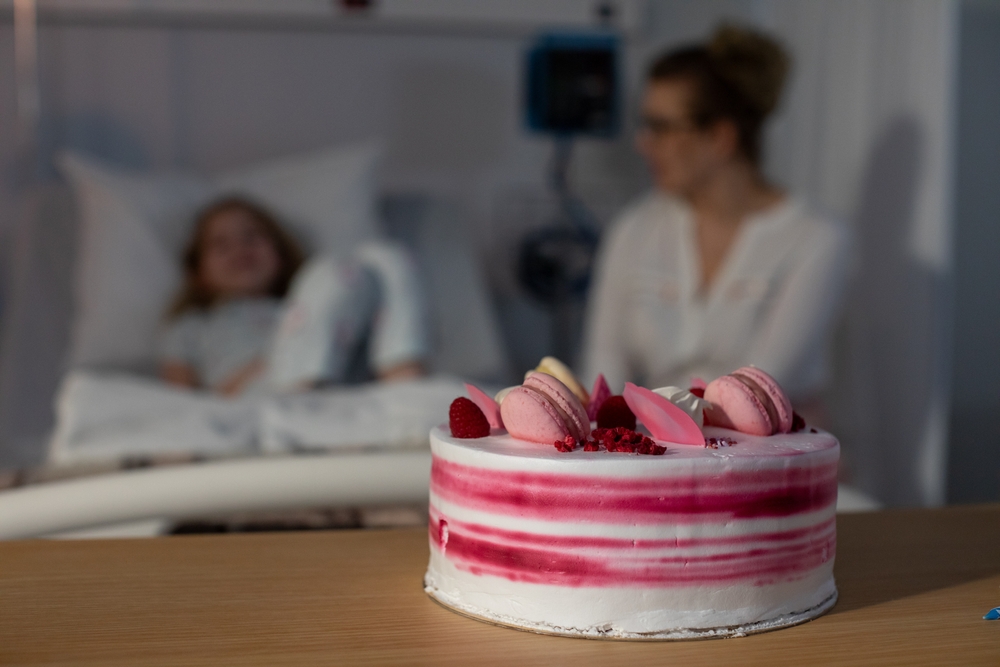
Surprisingly, the most common request is modest: birthday cake. Many patients making this request are in their 80s or 90s, and in some cases, have never had a birthday cake before. Richards recalls a 93-year-old woman who wept with joy at her first cake. “These requests may be minor in preparation, but their emotional impact is monumental,” he says.
Richards explains that preparing these meals often requires adaptation. Treatments like chemotherapy can alter taste, and swallowing can be difficult.
Some patients develop a sudden preference for sweets, while others become sensitive to salt. Drawing inspiration from French desserts like panna cotta, crème brûlée, or crème caramel, Richards ensures that meals remain manageable while still comforting. Even if a patient can only tolerate ice cream or jelly, he presents it with care, dignity, and attention.
The impact of these meals extends beyond the patients. Families often return months later to express gratitude, sometimes bringing treats for hospice staff during the holidays. “Food is powerful,” Richards reflects. “It can revive childhood memories and create new ones, even in the last days.”

Elsewhere, hospices are embracing similar approaches. Dr. Virginie Guastella of Clermont-Ferrand University Hospital in France champions comfort foods and even maintains a wine bar for patients. Research supports this approach: familiar or favorite foods activate the brain’s reward regions, fostering feelings of fulfillment and dignity. “Why, because you are hospitalized, should the good things stop?” Guastella asks.
Often, it is the social aspect of food that matters most. End-of-life doula Michelle Thornhill emphasizes that meals symbolize connection, comfort, and agency. Sharing a favorite dish with loved ones sustains normalcy and closeness in the final days. Gail Inderwies, founder of KeystoneCare, recalls making meatballs and ravioli for her grandmother in hospice. Though her grandmother ate only a few bites, the shared experience brought joy, laughter, and reassurance.
Comfort foods vary widely—ice cream, mashed potatoes, chicken soup, or culturally significant dishes. The focus is never solely on nutrition but on emotional resonance: identity, memory, joy, and connection. At Sobell House and similar hospices, chefs like Richards show that even the simplest meals can honor lives, provide solace, and create lasting memories.
Conclusion

At the end of life, food is never just about sustenance. It is about love, dignity, memory, and connection. Whether it’s a first-ever birthday cake, a cherished childhood dish, or a shared family recipe, these meals carry profound meaning. Hospice chefs like Spencer Richards remind us that in life’s final chapter, the simplest foods can bring comfort, evoke joy, and honor a life lived.