
The Quiet Wounds of an Emotionally Abusive Mother
Sometimes the signs are so subtle you barely notice them—an icy silence that lasts just a bit too long, a “joke” that feels more like a jab, or a comment that leaves you shrinking inside yourself. You explain it away: She’s stressed. She didn’t mean it. This is just how she is.

But over time, these moments stack like bricks. And by adulthood, many people raised by emotionally abusive mothers look back and realize the foundation of their self-worth was built on instability, criticism, and conditional love.
Understanding these patterns is not about blaming—it’s about naming. And once you can name something, you can finally heal from it.
What Emotional Abuse Really Is
Emotional abuse is a repeated pattern of behavior designed—intentionally or not—to belittle, control, or psychologically destabilize a child.
Unlike physical abuse, there are no bruises. No obvious evidence.
But the damage runs deep.
It can show up as:
constant criticism
shame disguised as “lessons”

withdrawal of affection
gaslighting
humiliation
ignoring achievements
lack of emotional support
Children growing up in this environment often internalize one painful belief:
My feelings don’t matter.
How Emotional Abuse Shapes the Brain

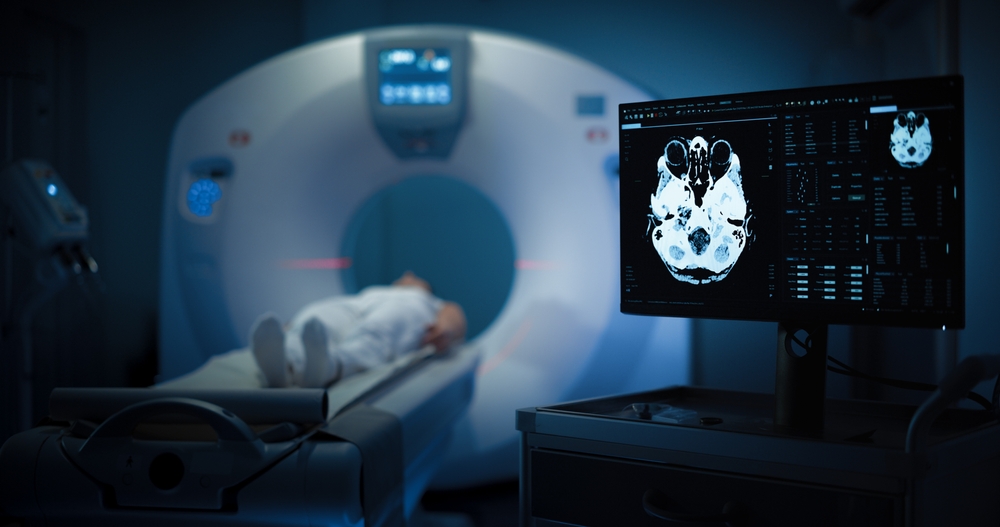
Decades of research show that long-term emotional abuse changes how a child’s brain develops. MRI studies reveal differences in the amygdala, hippocampus, and prefrontal cortex—the regions involved in emotional regulation, memory, and decision-making.
The result?
Even years later, adults often struggle with:
anxiety

depression
overthinking
distrust

emotional numbness
trouble setting boundaries
Emotional abuse doesn’t just hurt feelings—it reshapes how a person experiences the world.
Why It’s So Hard to Recognize
Many adults don’t realize they were emotionally abused until much later in life.
Why?
It was normalized.
Culture framed it as “strict parenting.”
You were told you were “too sensitive.”
You blamed yourself instead of the behavior.
There were also moments of love, which made it confusing.
Emotional abuse is not always loud—it is often quiet, subtle, woven into everyday interactions.
Eight Common Experiences of Adults Raised by Emotionally Abusive Mothers
1. She Belittled Your Friends or Loved Ones

By undermining the people close to you, she created dependence and isolation.
Healing: Strengthen connections with supportive people who affirm your value.
2. She Used Guilt to Control You
Guilt became a tool, not a feeling—teaching you that her needs outweighed your own.
Healing: Recognize that real love is not built on emotional leverage.
3. She Compared You to Others Constantly
These comparisons chipped away at confidence and created shame-based motivation.
Healing: Measure progress by your own growth, not someone else’s path.
4. She Mocked Your Appearance

Whether subtle or direct, these comments left deep marks on self-image.
Healing: Replace internalized criticism with compassionate self-talk.
5. She Reacted with Jealousy to Your Achievements
Instead of celebrating you, she diminished or dismissed your success.
Healing: Celebrate milestones with those who genuinely support you.

6. She Invaded Your Privacy or Overrode Decisions

This taught you to doubt your judgment and fear independence.
Healing: Start reclaiming autonomy in small, daily choices.
7. She Withheld Love When You Displeased Her
Affection became conditional, leaving you anxious and eager to please.

Healing: Learn that respect and love should never hinge on perfection.
8. She Criticized You Relentlessly
No accomplishment was enough, leaving you second-guessing yourself constantly.
Healing: Accept that mistakes and experiments are part of being human.

The Path Toward Healing
Healing from emotional abuse is not linear. It’s a gradual unraveling, a relearning of what love and respect are supposed to feel like. Helpful steps include:
Therapy (especially CBT, DBT, or trauma-informed approaches)
Boundary-setting, even small ones
Reframing harmful internal narratives
Building relationships that feel safe, steady, and reciprocal

Self-compassion practices
Recognizing triggers without self-blame
Recovery is possible. You are not defined by what you endured.
Acknowledging Your Truth
Being raised by an emotionally abusive mother can leave invisible scars—ones that affect self-esteem, relationships, and emotional stability long into adulthood. But understanding what happened is not about dwelling on the past; it’s about breaking cycles, rebuilding identity, and reclaiming the parts of yourself that were suppressed.
Healing doesn’t erase the past, but it rewrites your future.
Conclusion
Emotional abuse can shape a lifetime, but it does not have to define it. By recognizing the patterns, naming the pain, and taking intentional steps toward healing, survivors can develop stronger boundaries, healthier relationships, and a renewed sense of self-worth.
Recovery is not quick, but it is real—and every step forward is an act of courage, resilience, and self-love.