
Geena Davis: From Silence to Advocacy, a Life Shaped by Resilience
Behind the glamour of Hollywood lies a story most don’t see—a near-fatal childhood accident, hidden abuse, and the quiet shaping of a woman who would defy the industry’s expectations. Could one girl’s early lessons in silence and politeness have secretly forged the courage it would take to change an entire industry?
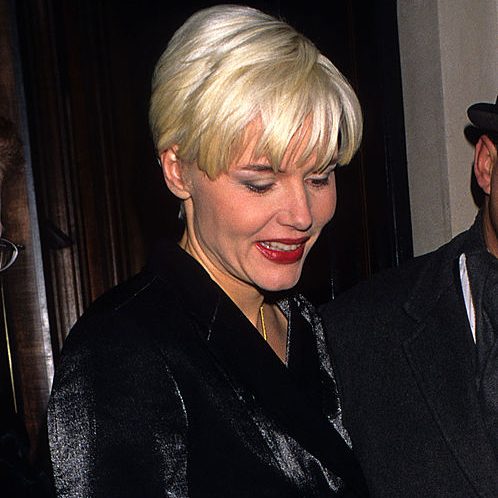
Geena Davis emerged in the 1980s with a presence that felt effortless and electric, transitioning from modeling to acting with stunning speed. To audiences, she appeared fearless, luminous, and destined for greatness. Yet beneath the fame was a woman molded by discipline, silence, and early trauma—an upbringing that nearly cost her life and kept her voice suppressed for years.
Born on January 21, 1958, in Wareham, Massachusetts, Davis grew up in a household where manners, modesty, and quiet compliance were paramount. Television exposure was limited, and she quickly learned that politeness often meant silence—even in moments of danger. At age eight, a near-fatal car accident with her elderly great-uncle reinforced that lesson: never complain, never draw attention, even if your life depends on it.
This instinct extended into darker experiences. Davis was s*xually abused by a neighbor as a child, navigating shame and confusion in silence. Adolescence brought additional challenges: her height and unique appearance drew teasing, while athletics and music offered some refuge. Acting remained a private dream.

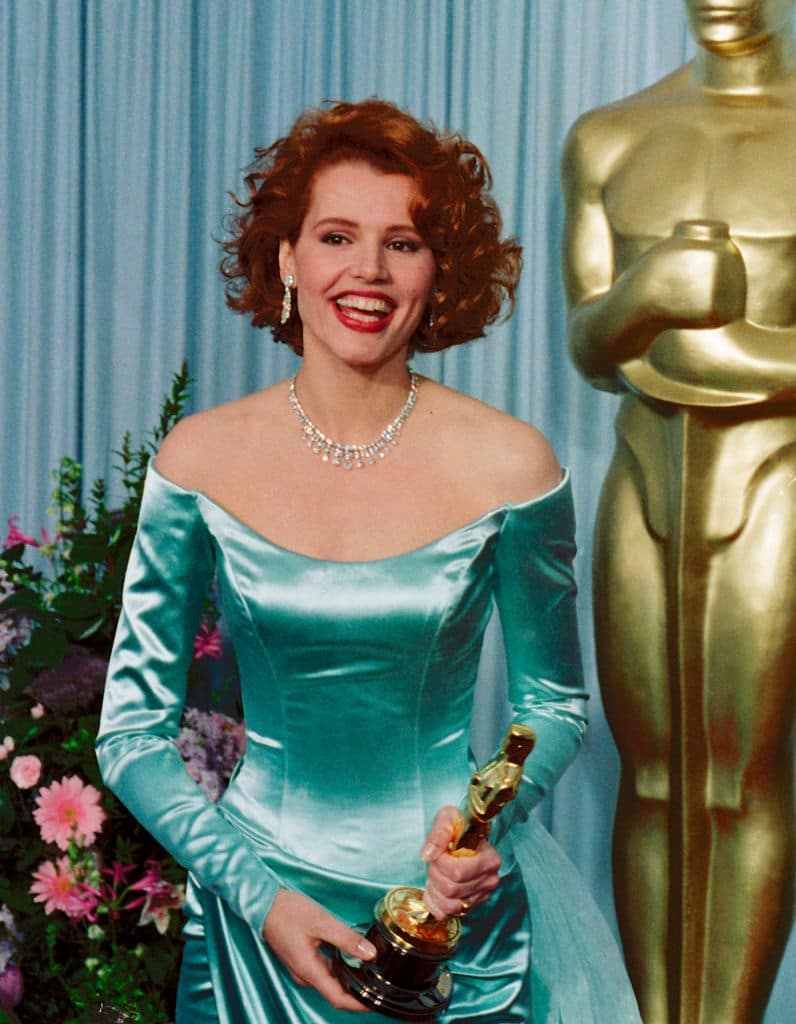
After studying drama at Boston University and moving to New York, Davis worked as a waitress, sales clerk, and mannequin before modeling led to her breakout role in Tootsie (1982). She went on to star in The Fly, Beetlejuice, and The Accidental Tourist, earning an Academy Award, and later Thelma & Louise, which challenged her to reclaim her voice.

By her late thirties, Hollywood’s age and gender biases became evident. Motherhood in her forties inspired a new mission: advocating for women in media. In 2004, she founded the Geena Davis Institute on Gender in Media, dedicating herself to research, awareness, and systemic change in entertainment.
Now in her sixties, Davis continues to act, advocate, and speak out. Her life story is not just about fame, but survival, growth, and courage. Lessons in silence and politeness could have stifled her—but instead, she transformed them into a platform that inspires change.
Conclusion
Geena Davis’ journey is a testament to resilience and transformation. Childhood trauma, early lessons in silence, and Hollywood’s systemic biases could have held her back. Instead, she reclaimed her voice, reshaped an industry, and proved that personal courage can lead to lasting social impact. Her story reminds us that even the quietest beginnings can spark the most powerful change.