
Minneapolis Arrest Sparks Debate Over Sanctuary Policies and Public Safety
What began as a quiet winter night in Minneapolis quickly became a flashpoint in the national conversation over immigration enforcement, sanctuary policies, and community trust. Federal authorities quietly detained a Somali national with a criminal record—but the operation reignited questions about how far local and federal priorities should intersect.
The Arrest

On December 31, 2025, U.S. Immigration and Customs Enforcement (ICE) arrested Mahad Abdulkadir Yusuf, a Somali national living in Minneapolis, during a targeted federal operation. ICE described Yusuf as a convicted s*x offender and a public safety risk who had been living openly in the city for years, highlighting what officials see as gaps in cooperation under Minnesota’s sanctuary-style policies.
Who Is Mahad Abdulkadir Yusuf?
According to federal reports, Yusuf entered the U.S. in 1996 and previously held lawful permanent resident status. His criminal record includes:
2016: Convicted of first-degree criminal s*xual conduct, forcing a victim to perform oral s*x multiple times.
2016: Arrested for first-degree assault.
2024: Had an outstanding warrant for obstructing police.
ICE officials characterized Yusuf as a “dangerous criminal” whose continued presence in the community posed a serious threat.
Federal Concerns
ICE officials allege that sanctuary policies limited their ability to apprehend Yusuf sooner. Previous attempts were reportedly hindered by third-party interference, including resistance from Yusuf’s apartment manager.
Federal authorities argue that policies restricting local enforcement from honoring ICE detainers or sharing certain information create operational challenges that allow individuals with criminal histories to remain at large.
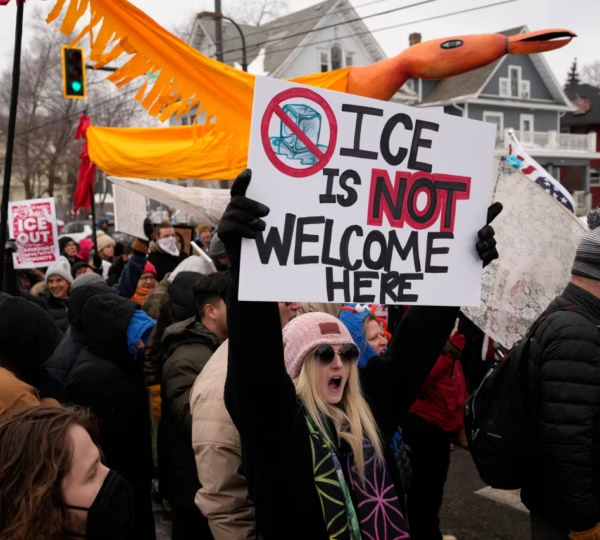
Department of Homeland Security statements also emphasized that messaging framing ICE operations as hostile sometimes emboldens community resistance, further complicating enforcement efforts.
Local Response
City and state leaders have disputed the federal characterization of sanctuary policies. Minneapolis Mayor Jacob Frey and Minnesota Governor Tim Walz emphasized that such policies prioritize trust between law enforcement and immigrant communities. They argue that community trust encourages victims and witnesses to report crimes without fear of deportation.
Mayor Frey specifically criticized ICE operations in Minneapolis, citing concerns about the potential for tense encounters between federal agents and residents during enforcement actions.
The Broader Enforcement Context
Yusuf’s arrest was part of larger federal efforts in the Twin Cities, targeting individuals with final deportation orders, immigration violations, and criminal histories. Reports indicate that hundreds were detained during operations in late 2025, including members of Somali-American neighborhoods, occasionally resulting in confrontations and heightened community tension.
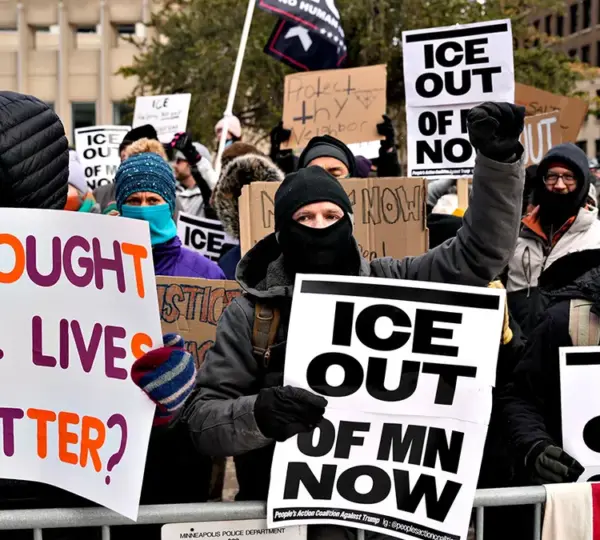
While ICE emphasizes that many detainees had serious or violent criminal histories, advocates note that some individuals legally present—or even U.S. citizens—may have been caught up in sweeps based on appearance or ethnicity, raising civil liberties concerns.
Public Safety vs. Community Trust
The case highlights the fundamental tension between federal enforcement and local sanctuary approaches:
Federal/Enforcement Advocates:
Sanctuary policies limit federal access to dangerous offenders.

Gaps in cooperation could endanger residents.
Community rhetoric resisting federal enforcement can obstruct operations.
Local/Community Advocates:
Sanctuary policies foster trust, increasing cooperation with local police.
Broad federal enforcement can alienate communities and reduce overall safety.

Protecting civil liberties and distinguishing between lawful residents and noncitizens is essential.
Legal and Political Considerations
Sanctuary policies are grounded in the principle that immigration enforcement is primarily a federal responsibility. Supreme Court rulings affirm that states and municipalities cannot be compelled to enforce federal immigration laws, although federal authorities may act independently.

Politically, the arrest has sparked national debate. Conservative lawmakers criticize Minnesota’s sanctuary policies for allowing a dangerous offender to remain free, while local officials argue that federal overreach threatens community trust and risks targeting legally present residents. The case has become a focal point in discussions about immigration policy and sanctuary jurisdictions ahead of upcoming elections.

Conclusion

The arrest of Mahad Abdulkadir Yusuf underscores the delicate balance between federal enforcement priorities and local sanctuary policies. For federal authorities, it highlights operational gaps that could jeopardize public safety. For sanctuary advocates, it illustrates the challenges of maintaining trust while protecting civil liberties.
Ultimately, the case exemplifies a broader policy dilemma: how to ensure safety, justice, and community cohesion when law, enforcement, and public sentiment intersect in complex and often contentious ways.