
Trump’s Second Term: Perception vs. Public Opinion
Donald Trump often describes his second term as a period of unmatched achievement. From the White House podium, the narrative is one of decisive action, progress, and control. Executive orders, trade negotiations, and foreign policy initiatives are framed as markers of a presidency in full stride.
Yet public opinion tells a more complicated story. Critics point to selective facts, exaggeration, and polarizing rhetoric that cloud the perception of his accomplishments. While Trump emphasizes successes, many Americans remain unconvinced about domestic policies, immigration, foreign affairs, and unresolved controversies, including matters related to Jeffrey Epstein.
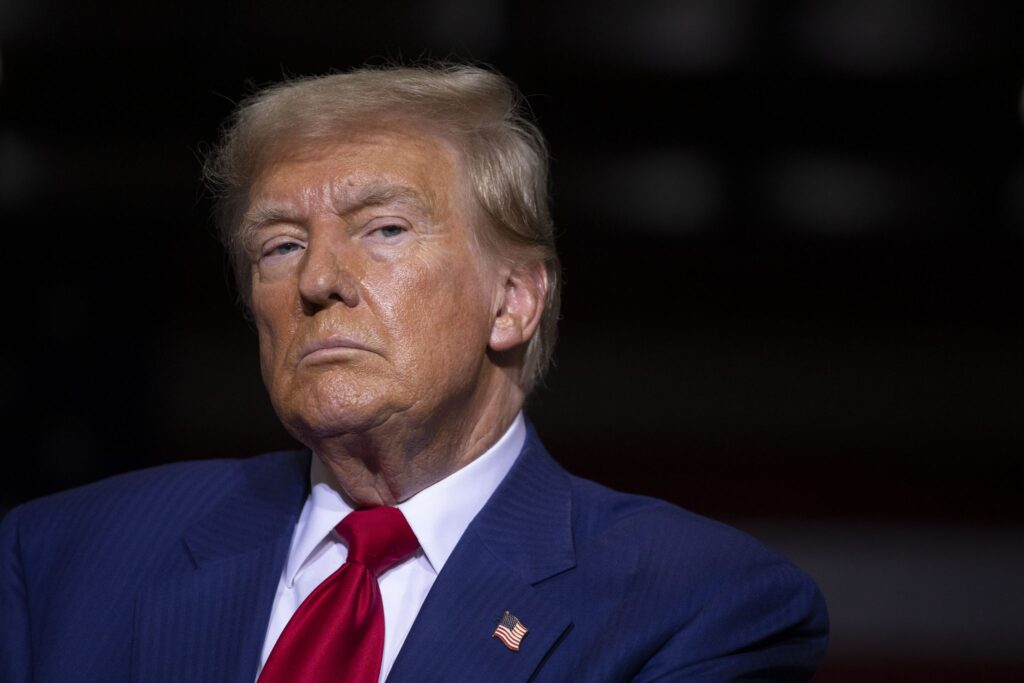
A recent AP-NORC poll illustrates this divide. As of January 8, 2026, just 40 percent of adults approve of Trump’s overall job performance, while 59 percent disapprove. Key policy areas show similar skepticism: only 37 percent support his handling of the economy, 38 percent approve of immigration policies, and 37 percent back his foreign policy. Trade negotiations receive comparable lukewarm support.
These numbers suggest that, despite a loyal base and prominent media presence, the majority of Americans remain unconvinced by Trump’s leadership. The image of momentum and control projected from the White House often contrasts sharply with widespread public disapproval, highlighting the persistent polarization that defines modern U.S. politics.
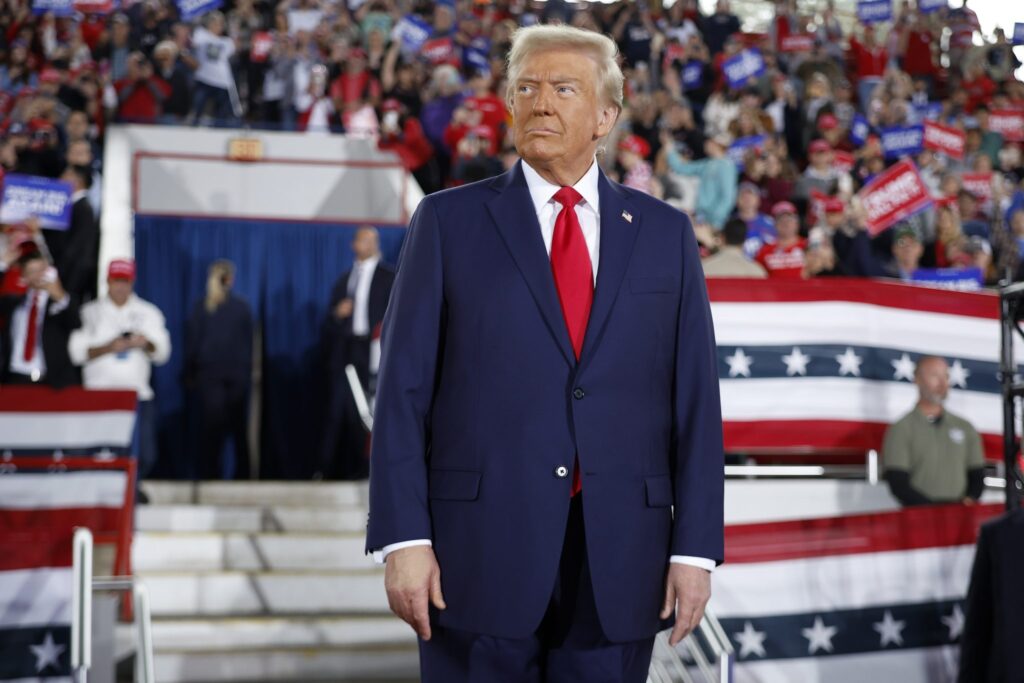
Whether Trump can bridge this gap between his narrative and voter perception remains uncertain. For now, the tension between claimed success and public skepticism continues to shape the political landscape—and will likely influence how history remembers his second term.
Conclusion
Trump’s second term underscores the challenge of translating policy action into broad public approval. Loyal supporters may celebrate the administration’s moves, but the majority of Americans remain critical, reflecting a deep divide between presidential portrayal and voter perception—a divide that could define his legacy well before the term concludes.