
Who Goes First at a T-Junction?
You’re driving along, and suddenly you reach a T-junction with no signs, lights, or signals. Three cars, three possible directions—and the question hits: who moves first?
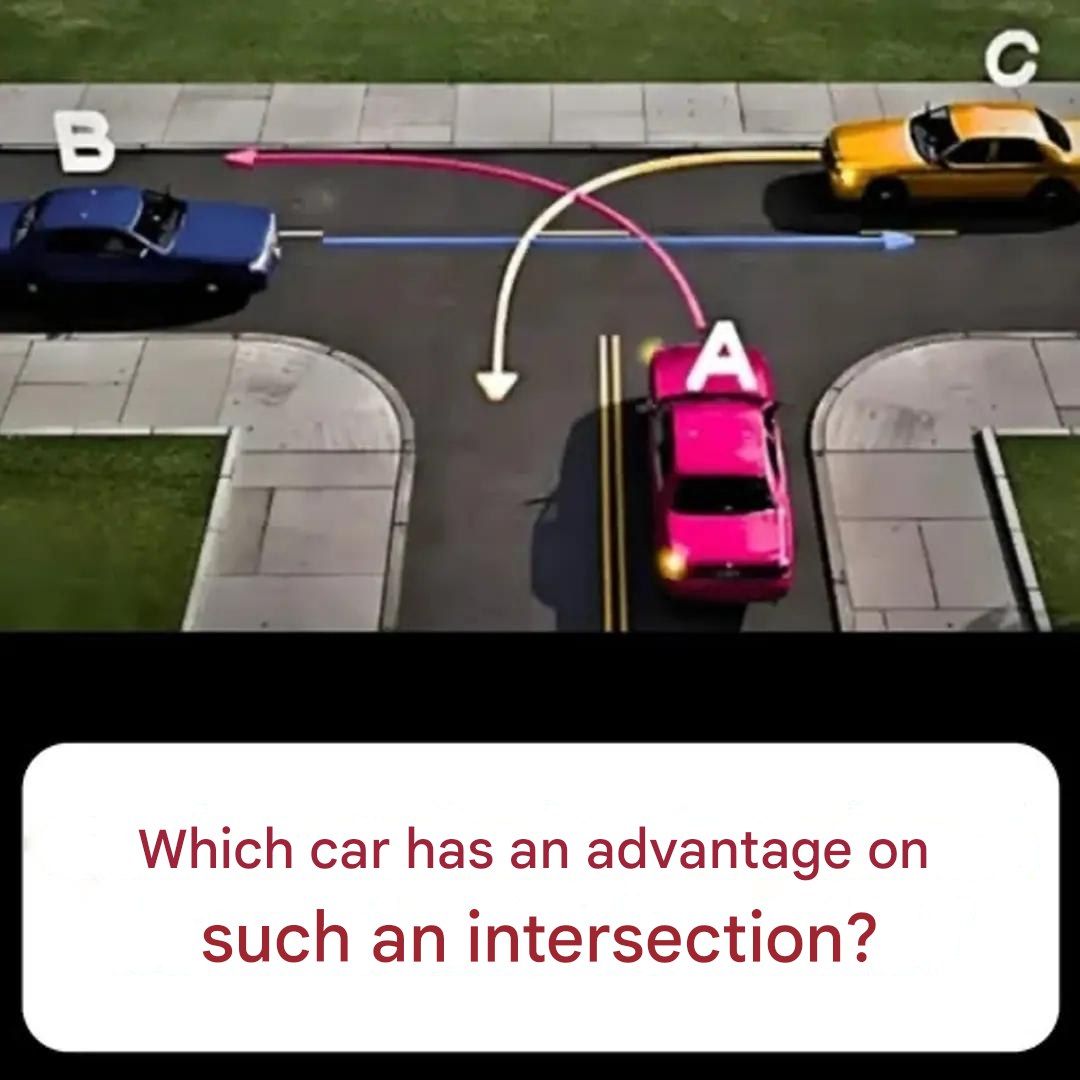
T-junctions seem simple—a main road, a side road, a few vehicles—but without clear signage, even experienced drivers can hesitate. Understanding the rules can prevent confusion and accidents.
Scenario:
Blue car: on the main road, going straight.
Pink car: on the side road, turning left.
Yellow car: beside the pink car, also turning left.
Who moves first?
The answer is straightforward: vehicles on the main road have priority. Here, the blue car continues first.
Once the main-road vehicle passes, left-turning cars must yield. They must wait for oncoming traffic or vehicles with a clear path. In this case, after the blue car, the pink and yellow cars negotiate who goes next based on who has an unobstructed lane.
Key Takeaways:
Main road traffic always moves first.
Left-turning vehicles yield to oncoming or free-flowing traffic.
Understanding these rules eliminates hesitation and helps prevent collisions.
Conclusion:
T-junctions don’t have to be stressful. Stick to the basics: main road = priority, left turns = yield. A simple framework ensures smooth navigation, safer driving, and confidence behind the wheel.