
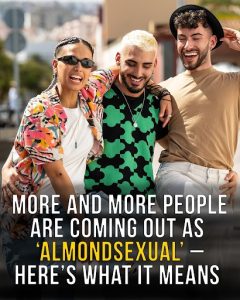
The term “almondsexual” is turning heads, eliciting everything from genuine curiosity to lighthearted confusion. While it may sound unusual at first, for a growing number of people,
it represents a serious effort to define their identity with greater precision. As our vocabulary for attraction continues to expand, terms like this highlight an ongoing shift in how we navigate belonging and language.
A Specific Lens on Attraction
Emerging from online LGBTQIA+ spaces around 2023, almondsexuality is what many call a “microlabel.” Originally coined by a Tumblr user looking for more nuanced language,
the term describes individuals who are primarily attracted to male-aligned and androgynous people, while experiencing only infrequent or less intense attraction toward female-aligned genders. For those who adopt it, broader terms like “bisexual” or “pansexual” simply don’t capture the specific lean of their desires.
The Debate Over Microlabels
The emergence of such specific terminology has sparked a predictable divide. Supporters argue that these labels are essential tools for self-validation, helping people articulate complex feelings that traditional categories often overlook. For many who grew up without the words to describe themselves, finding a term like this can provide an immediate sense of community.
Conversely, critics suggest that the rapid proliferation of labels can make conversations around identity feel unnecessarily complicated or even overwhelming for those on the outside. They worry that too much fragmentation could lead to confusion rather than clarity.
The Search for Recognition
Ultimately, the conversation surrounding “almondsexuality” is less about the word itself and more about the human desire to be seen. It reflects a cultural moment where individuals are no longer content with “close enough” descriptions of their lives. Whether or not the term enters the mainstream, its existence underscores a broader push for inclusion and the freedom to define one’s personal experience in a way that feels authentically true.