
What Your Cat Is Really Saying: Decoding Feline Body Language and Behavior
You might think your cat’s quirky rubbing, scratching, or staring off into space is random—or maybe even a little silly. But what if these behaviors are actually a secret code your feline friend is sending you? Behind every brush against your leg, hiss, or paw stamp lies a hidden message about territory, mood, or instinct. The real question is: are you truly reading it right?
Territory and Affection: The Meaning Behind Rubbing

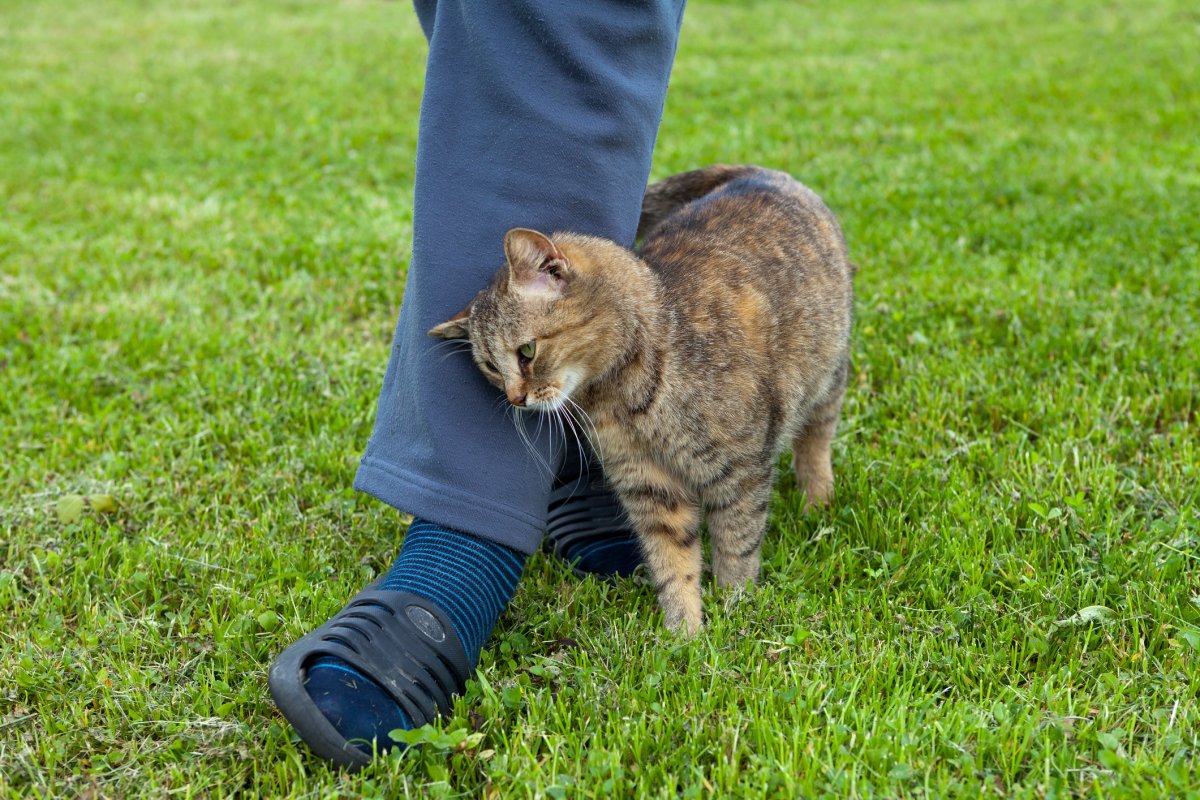
When your cat suddenly approaches you after seemingly ignoring you for hours, sniffing or rubbing against your legs, it’s far from a random act. By rubbing its flanks, chin, or base of the tail against you, your cat deposits pheromones—tiny scent markers invisible to humans. These chemical signals broadcast: “This human belongs to my territory.” Congratulations, you’ve just been accepted into your cat’s inner circle.
Urinating With Purpose: Not Just an Accident
That unexpected puddle on your favorite chair or by the wall might seem like a mistake, but often it’s a deliberate message. Both male and female cats—even those neutered or spayed—use urine marking to stake their claim. Think of it as a natural bulletin board, where your cat leaves its signature scent to signal boundaries, express feelings, or warn off perceived intruders.
Panting, Saliva, and Heat: Cats’ Cooling Tricks

Seeing your cat panting can be alarming since, unlike dogs, cats don’t typically rely on their tongues to cool down. But during extreme heat or stress, some cats may pant or lick their fur. The evaporation of saliva offers temporary relief, much like running a damp cloth over your forehead on a scorching day.
Signals of Affection: Why Your Cat Rubs Against Your Legs
That familiar brush against your calves or ankles isn’t just a friendly greeting. It’s a blend of affection, acknowledgment, and territorial marking. The pheromones left behind act as an olfactory ID card, affirming that you are part of your cat’s world.
Warning Signs: What Ears, Eyes, and Whiskers Tell You
Pay close attention to subtle body language: pinned-back ears, half-closed eyes, or a quick head turn often signal irritation or fear—basically a polite “Leave me alone.” Whiskers pulled back against the face indicate anxiety, not aggression. Respect these signs; it’s best to hold off on petting or cuddles until your cat feels more at ease.
The Hunting Ritual: Stamping and Laser Focus
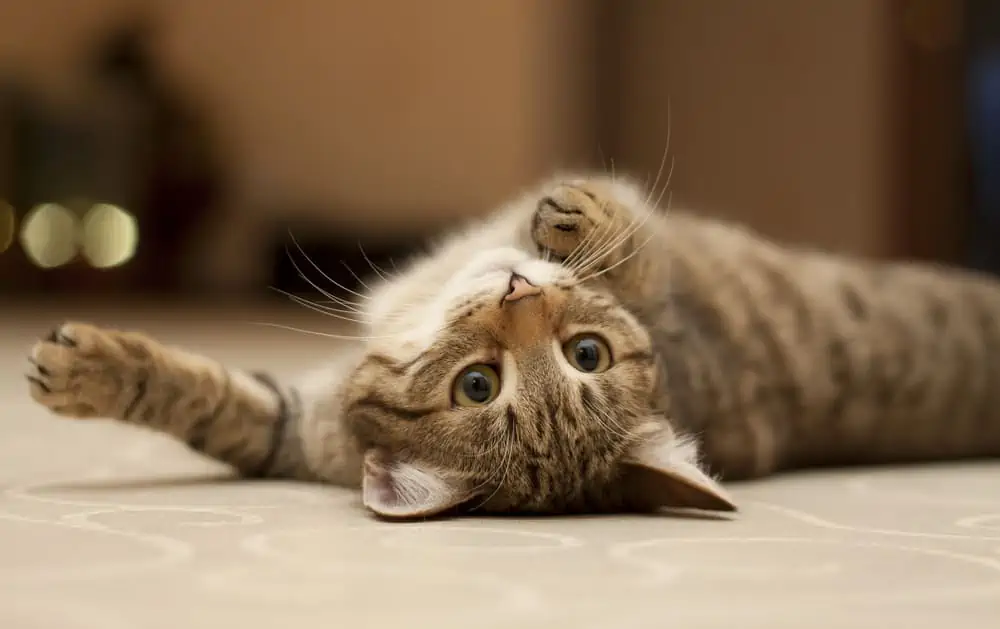
Ever notice your cat pausing, staring intently, and stamping its paws before pouncing? This is no glitch—it’s a deeply ingrained hunting ritual. Dilated pupils, twitching ears, and calculated movements reflect the sharp focus and agility passed down from their wild ancestors.
Understanding Cats: A Silent, Rich Language
Cats may not speak, but their every movement, gaze, and gesture communicates something meaningful. By learning to interpret these subtle signals, you not only deepen your bond with your feline companion but also unlock a delicate and intricate world of cat behavior that often goes unnoticed.

Conclusion
Cats might seem mysterious or unpredictable, but their behaviors are purposeful communication. From affectionate rubs and scent marking to warning signs and hunting rituals, every gesture holds meaning. Observing and understanding these cues helps foster a deeper connection and respect for your pet, revealing a sophisticated and nuanced language that only patience and attention can decode. In the end, your cat is always speaking—it’s just up to you to listen.