
It seemed like just another familiar face on television—a sparkling smile, that mischievous nose twitch—but behind the camera, Elizabeth Montgomery’s life was anything but ordinary.
The effortless charm of Samantha Stephens on Bewitched masked years of hard work, personal trials, and a relentless pursuit of artistic freedom. What happened behind the scenes would surprise even her most devoted fans.
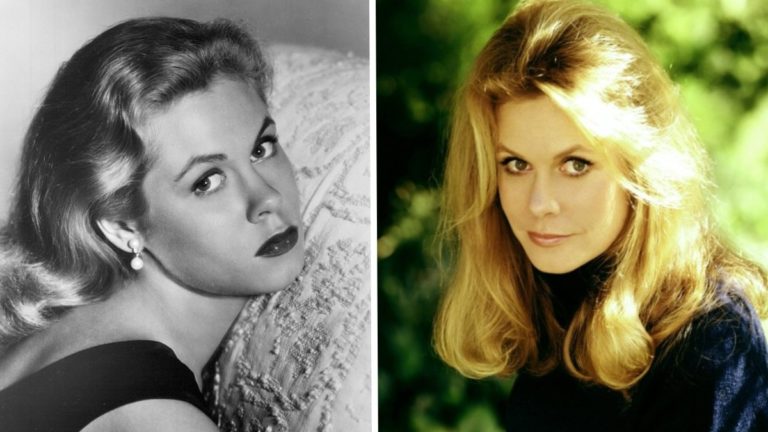
Born in Los Angeles on April 15, 1933, Montgomery inherited her love for acting from her mother, a Broadway performer, and her father, Robert Montgomery, a celebrated film star.
She often told her father, “I’m going to be an actress when I grow up,” and he supported her ambitions as both mentor and parent. Elizabeth trained at the American Academy of Dramatic Arts before making her television debut as a teenager on Robert Montgomery Presents.
By 1953, she had appeared on Broadway in Late Love, followed by her first film, The Court-Martial of Billy Mitchell (1955). Her personal life included several marriages: Frederick Gallatin Cammann (1954–1955), Gig Young (1956–1963), and William Asher, the TV director she married in 1963 and with whom she had three children.

Montgomery’s most iconic role was Samantha Stephens on Bewitched (1964–1972), the nose-twitching witch whose adventures delighted millions. The role earned her five Primetime Emmy nominations and four Golden Globe nods. She chose roles carefully, seeking projects that were engaging and sustainable—something Bewitched allowed her to do with charm and humor.

After her divorce from Asher, Montgomery transitioned into television films, breaking free from her sitcom image. She starred in Mrs. Sundance (1973), A Case of Rape (1974), The Legend of Lizzie Borden (1975), Black Widow Murders (1993), and The Corpse Had a Familiar Face (1994).
In 1993, she married Robert Foxworth, who remained by her side until her death. Author Herbie J. Pilato praised her versatility, noting her seamless shift from “queen of witches to queen of TV movies.”

Tragically, Montgomery passed away on May 18, 1995, from colon cancer that had spread to her liver. She died at home in Beverly Hills, surrounded by her family. Her memorial at the Canon Theatre featured music by Herbie Hancock and reflections from lifelong friend Dominick Dunne.

Elizabeth Montgomery’s career showcased her range, charm, and dedication to her craft. She once reflected, “They all have different kinds of ‘feels’…
one of the things people like best about my work is that they never know what I’m going to do next.” Her playful spirit and talent continue to enchant fans, transporting them to a simpler, more innocent era of television.

Conclusion

Elizabeth Montgomery’s life and career reflect the brilliance, resilience, and versatility of a true Hollywood icon. From Broadway beginnings to her legendary role as Samantha Stephens, she left an indelible mark on television history.
Her charm, courage in pursuing diverse roles, and dedication to her craft ensure that her legacy endures, reminding audiences of the golden age of entertainment and the power of authenticity on screen.