
What Is the Dark Line on Shrimp?
Understanding the “Shrimp Vein” and Whether You Should Remove It
Shrimp is one of the most widely enjoyed seafood ingredients in kitchens around the world. It cooks quickly, absorbs flavors beautifully, and can be used in everything from simple sautéed dishes to elaborate seafood platters.
Yet even experienced home cooks sometimes pause when preparing raw shrimp and notice a thin, dark line running along its back.
For many people, this line raises questions. Some assume it must be removed before cooking, while others ignore it completely.
Recipes often mention “deveining shrimp,” but rarely take the time to explain what that step actually involves. Without that explanation, the process can seem mysterious—or even slightly unpleasant.
The reality, however, is far less dramatic than the name suggests. Once you understand what this line really is and why cooks sometimes remove it, shrimp preparation becomes much easier and far less confusing.
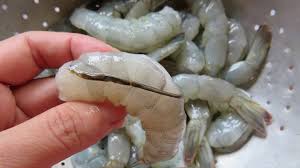
The Truth About the So-Called “Shrimp Vein”
Despite the name commonly used in cooking, the dark line along a shrimp’s back is not a vein. It is actually the shrimp’s digestive tract, which functions as part of the animal’s intestinal system.
This slender tube runs along the outer curve of the shrimp’s body beneath the shell. Inside it are small particles of the shrimp’s recently digested food along with natural waste. Because it sits close to the surface of the shrimp’s flesh, it often appears as a dark line visible through the shell or exposed once the shell is removed.
The appearance of the tract can vary quite a bit. In some shrimp it is barely visible, appearing as a faint gray thread. In others it may look darker or thicker.
The difference usually depends on what the shrimp has recently eaten and how full its digestive system was when it was harvested.
The term “vein” likely became popular simply because the line resembles a vein in shape. Over time, the name stuck, even though biologically it has nothing to do with blood circulation.
Is It Harmful to Eat?
One of the first concerns people have is whether eating shrimp with the digestive tract still inside is unsafe. In most cases, it is completely harmless. Properly cooked shrimp are safe to eat regardless of whether the tract has been removed.
The digestive tract contains remnants of the shrimp’s natural diet—tiny bits of algae, plankton, or organic material from the ocean floor. When shrimp are cooked thoroughly, any potential bacteria are eliminated during the heating process.
Food safety experts generally agree that the presence of the tract is not a health risk. As long as shrimp are stored correctly, purchased from reputable sources, and cooked properly, they remain safe to consume.
However, safety is not the main reason cooks often remove it.
Why Many Cooks Prefer to Remove It
Although the digestive tract is harmless, there are a few practical reasons why cooks frequently choose to take it out before cooking.
Texture is one of the most common concerns. Larger shrimp sometimes contain sand or tiny particles within the tract. When left inside, these particles can create a slightly gritty sensation when eating the shrimp. While this doesn’t happen every time, removing the tract helps avoid the possibility.
Flavor is another factor. Shrimp are known for their naturally sweet and delicate taste. In some cases, the contents of the digestive tract may slightly affect that flavor, adding a faint bitterness or earthy note. Removing the tract ensures the shrimp’s clean, sweet flavor remains the dominant taste.
Appearance also plays a role. In dishes where shrimp are served whole and visible—such as shrimp cocktail or grilled shrimp skewers—the dark line may stand out against the pale flesh. Removing it creates a cleaner and more appealing presentation.
When Deveining Is Most Important
Not every shrimp dish requires careful deveining. Many cooks decide whether to remove the tract based on the size of the shrimp and how the dish will be served.
Large shrimp tend to have thicker and more noticeable digestive tracts, which makes removal more worthwhile. In dishes where shrimp are the centerpiece—such as grilled shrimp, garlic butter shrimp, or shrimp cocktails—deveining is often recommended for the best appearance and texture.
Smaller shrimp, on the other hand, usually have very thin tracts that are barely noticeable. When they are chopped, mixed into sauces, or used in soups and stir-fries, removing the tract often makes little difference. For this reason, many cooks skip the step entirely when preparing smaller varieties.
Professional kitchens sometimes follow the same logic. When hundreds of small shrimp are used in a large pot of soup or fried rice, deveining each one individually may not be practical.
How to Remove the Shrimp Tract
Deveining shrimp is actually a simple process once you’ve done it a few times.
First, the shell is removed if it hasn’t been peeled already. Using a small knife, a shallow cut is made along the back of the shrimp from the head end toward the tail. This cut exposes the dark line beneath the surface.
The tract can then be lifted out with the tip of the knife, a toothpick, or even rinsed away gently under cold running water. Afterward, the shrimp is ready for cooking.
Many grocery stores simplify the process by selling shrimp that are already peeled and deveined. These are especially convenient for quick meals, though some cooks still prefer preparing whole shrimp themselves for maximum freshness.
A Simple Choice for Every Cook
Whether to devein shrimp ultimately comes down to personal preference. Some cooks prefer removing the tract every time for the cleanest appearance and texture. Others leave it in, particularly when working with smaller shrimp or dishes where the shrimp will be chopped or mixed with other ingredients.
Understanding what the dark line actually represents helps remove much of the uncertainty surrounding shrimp preparation. Instead of worrying about whether something is wrong with the seafood, cooks can simply decide which approach works best for their dish.
Conclusion
The dark line commonly referred to as the “shrimp vein” is actually the shrimp’s digestive tract, not a vein and not something dangerous to eat. While it is perfectly safe to consume once shrimp are cooked properly, many cooks remove it to improve texture, flavor, and visual presentation—especially when preparing larger shrimp.
For smaller shrimp or dishes where the seafood is mixed with other ingredients, removing it is often unnecessary. In the end, deveining shrimp is a matter of preference rather than a strict rule. Once you understand what that line truly is, preparing shrimp becomes far less mysterious, allowing you to focus on what matters most: cooking flavorful seafood and enjoying it with confidence.