
What began as a routine Independence Day announcement quickly became a moment of historic significance for millions of Americans.
Service-industry workers, small business owners, and taxpayers nationwide are now grappling with the implications of a major shift in federal tax policy—one that promises relief for some while sparking debate over its long-term impact.
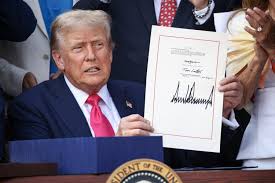
On July 4, 2025, President Donald Trump signed the One Big Beautiful Bill Act (OBBB) into law. The legislation permanently extends several previously scheduled tax cuts, introduces tax-free overtime pay, and provides new deductions for seniors.
The Congressional Budget Office estimates the changes could increase federal deficits by $3.4 trillion over the next ten years.
A central provision, the No Tax on Tips Act, exempts tip income from federal taxes. Under the new law, tipped employees still report their earnings, but federal taxes no longer apply to those amounts. Regular wages, employer-paid bonuses, and automatic service fees—such as 20% gratuities for large parties—remain taxable. Some professions, including certain law and finance roles classified as Specified Service Trades or Businesses (SSTBs), are excluded.
Proponents argue the move offers meaningful financial relief to millions who rely on tips. Senator Ted Cruz of Texas, co-sponsor of the bill with Senator Jacky Rosen of Nevada, said, “These workers are putting in long hours and living paycheck to paycheck. They deserve to keep more of what they earn.” Senator Rosen added that service workers in tourism-heavy states like Nevada form the “backbone of the economy,” and this provision recognizes their contributions.
Critics, however, caution that the law provides targeted benefits rather than universal tax relief, raising concerns about fairness and the effect on federal revenue. Supporters counter that the measure supports small businesses, increases disposable income for workers, and acknowledges the value of those in tipping-dependent jobs.
Conclusion
The One Big Beautiful Bill Act represents a landmark change in U.S. tax policy. By eliminating federal taxes on tips, it directly boosts the take-home pay of millions of service-industry workers while offering modest relief to small businesses. At the same time, its selective approach and projected impact on the deficit make it a law with both immediate benefits and long-term fiscal questions, reshaping how Americans think about work, compensation, and fairness in taxation.