
The Unexpected Little Lump in Your Throat: Understanding Tonsil Stones
It often starts with the strangest feeling—like there’s something tiny stuck in your throat that refuses to budge. You swallow again and again, but the sensation stays. Some describe it as a tickle, others as a small object wedged behind the tongue. And then one day, you cough, and out pops a tiny, chalky white lump that smells shockingly bad.
That odd little intruder?
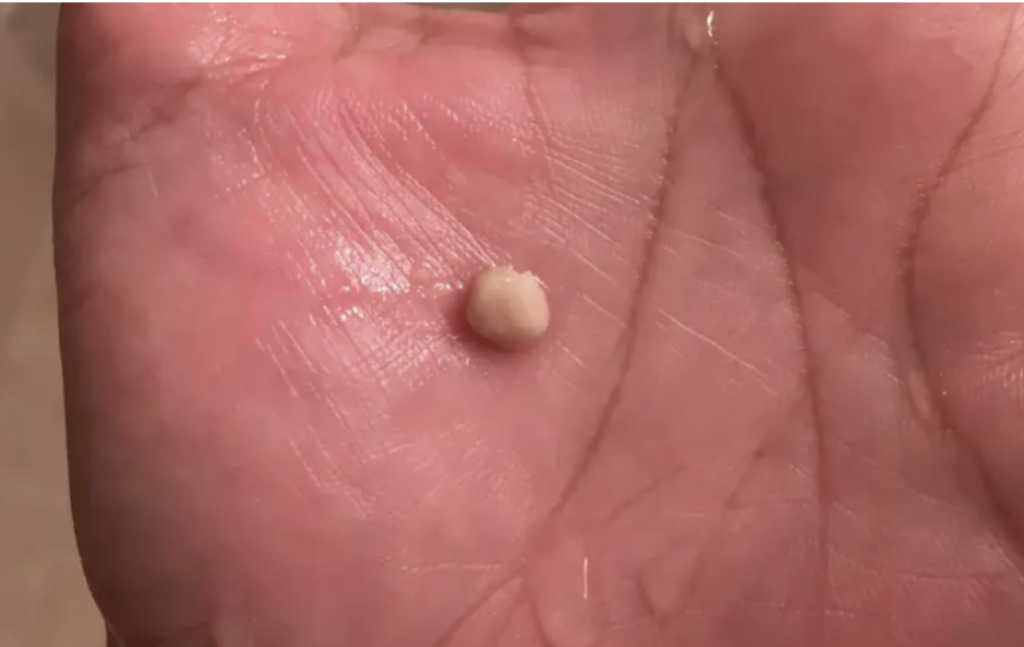
A tonsil stone.
Though harmless, tonsil stones can be unsettling and uncomfortable. Here’s a clear, unique, and easy-to-read guide to what they are, why they form, and what you can do about them.
What Exactly Are Tonsil Stones?
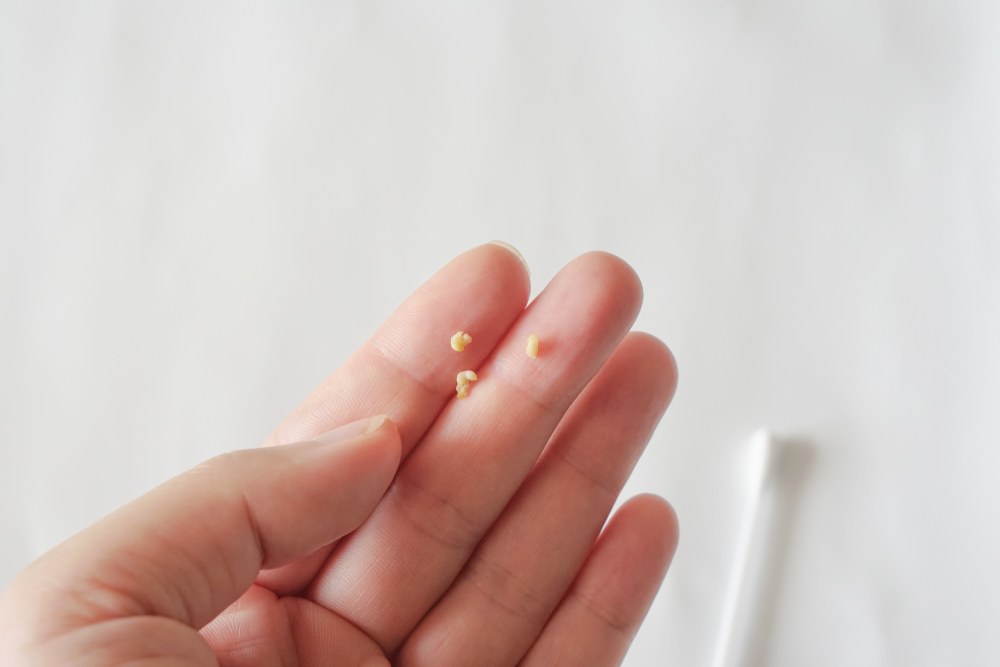
Tonsil stones (or tonsilloliths) are small, pale-yellow or white clusters that form in the crevices of your tonsils. These tonsil pockets—called crypts—can trap bits of food, mucus, dead cells, and bacteria. Over time, this debris hardens into a pebble-like mass.
They’re extremely common, especially in teenagers and young adults, but anyone can get them. While they rarely cause serious health problems, they can create plenty of discomfort and embarrassing bad breath.
Common Symptoms You Might Notice
Some tonsil stones are so small you may not even know they’re there. Larger ones, however, can cause symptoms such as:
Persistent bad breath (the most common sign!)
A sore or scratchy throat
Pain while swallowing
A strange or metallic taste in your mouth
Swollen tonsils
Ear pain or pressure
A nagging cough
Recurring throat or tonsil infections
If these symptoms keep returning, it’s wise to get checked by a doctor.
How Doctors Identify Tonsil Stones
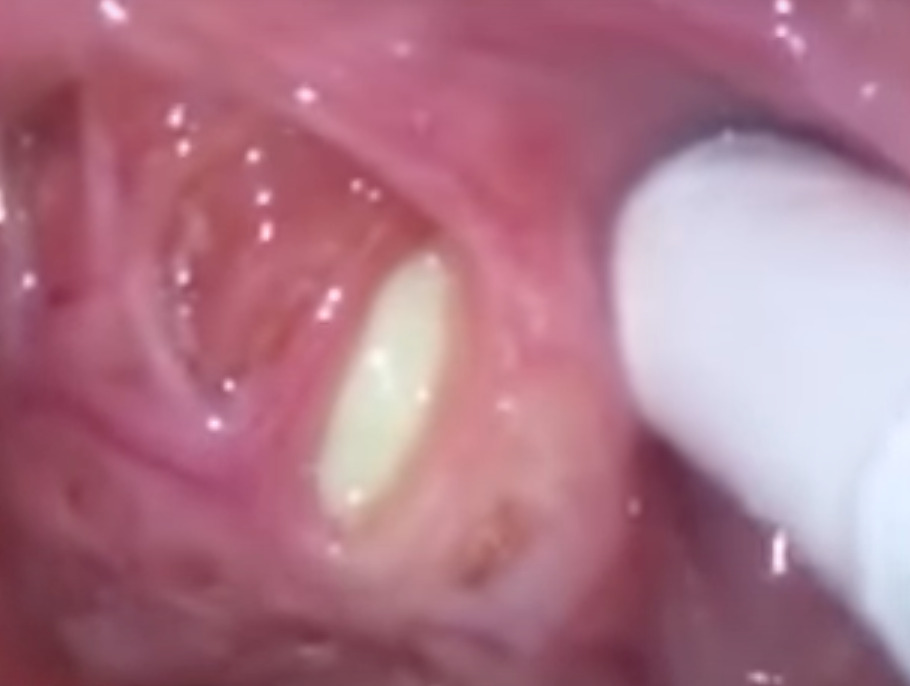
Diagnosis is usually simple. A doctor can often spot the stones during an exam using a light or a tongue depressor. In unclear cases—or to rule out other issues—they might suggest imaging (like X-rays) or a throat swab.
Treatment Options: From Simple to Surgical
Not all tonsil stones require treatment. Many dislodge on their own. But when they cause pain or persistent bad breath, you have several options:
1. Gentle Self-Removal
Some people can dislodge stones by:
Gargling warm saltwater
Using a cotton swab carefully
Coughing them out naturally
Avoid anything sharp—injuring your tonsils can cause bleeding or infection.
2. Medicated Gargles
Antibacterial mouthwashes can help control odor and reduce bacterial buildup, which prevents new stones from forming.
3. Oral Irrigators
A low-pressure water irrigator can wash debris out of the tonsil crypts.
4. Surgery
In severe, stubborn, or frequently recurring cases, doctors may recommend a tonsillectomy, which permanently removes the tonsils.
Home Remedies That Really Help
If your stones aren’t causing major discomfort, simple home solutions can make a big difference:
Warm saltwater gargles to soothe the throat and loosen stones
Diluted apple cider vinegar to balance mouth pH
Plenty of water to prevent dry mouth
Good oral hygiene, including brushing your tongue
These methods won’t stop stones forever, but they can reduce how often they appear.
How to Prevent Tonsil Stones from Coming Back
While you can’t completely guarantee they won’t return, these habits help keep tonsil stones to a minimum:
Brush and floss regularly
Clean your tongue to reduce bacteria
Drink water throughout the day
Avoid smoking or excessive alcohol
Visit your dentist for routine checkups
Healthy habits keep your mouth cleaner—and your tonsils less likely to trap debris.
Final Thoughts
Tonsil stones might look frightening and smell unpleasant, but they’re usually nothing to panic about. With good oral care, hydration, and simple home remedies, most people manage them easily. And if they become a recurring problem, medical treatments are available to resolve them for good.
Understanding what causes tonsil stones—and how to deal with them—makes them far less intimidating. A clean mouth and healthy habits go a long way toward keeping your throat fresh, comfortable, and stone-free.