
When the Desert Reached Its Breaking Point
The day began like countless others beneath the relentless desert sun. But something was wrong. Villagers later recalled hearing frantic sounds—disturbing, unfamiliar, even in a place where animal calls are part of daily life. By the time the situation became clear, a moment of neglect had spiraled into a devastating tragedy, leaving a community shaken and a harsh lesson exposed.

In 2016, the Barmer district of Rajasthan—an area known for its unforgiving climate—became the site of a rare and deeply troubling incident. Temperatures soared to an extreme 109°F (43°C), pushing both people and animals to their limits. On that day, a camel owned by a local man named Urjaram was tied outside for hours while its owner hosted guests indoors.
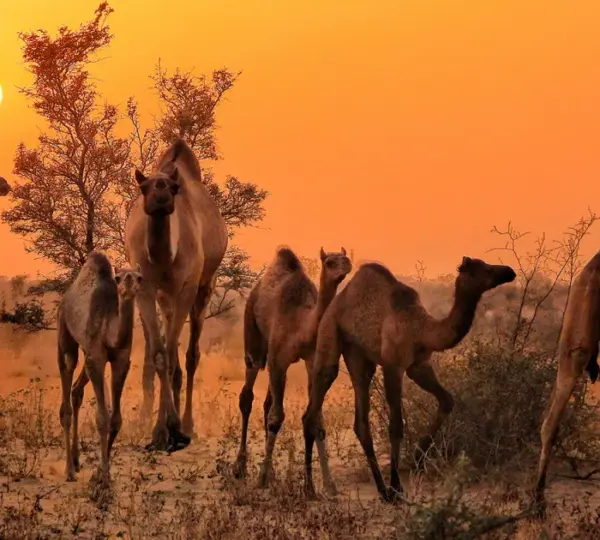
As the heat intensified, the animal’s distress became increasingly evident. Witnesses described restless pacing, loud vocalizations, and visible agitation—clear signs of overheating and stress. When Urjaram eventually returned, the situation escalated suddenly and violently.
The camel, overwhelmed and panicked, attacked, injuring its owner before villagers rushed to intervene. It took more than two dozen people and several exhausting hours to finally restrain the animal, underscoring just how severe the episode had become.
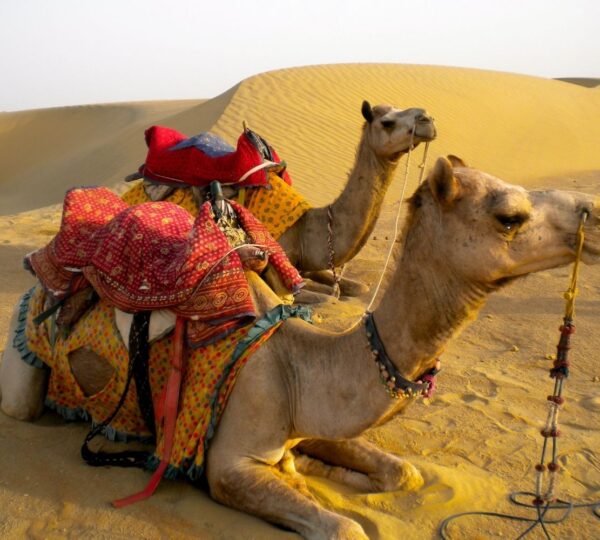
Camels are often admired for their endurance and steady temperament. Nicknamed the “ships of the desert,” they are built to survive harsh environments. Yet experts caution that resilience does not equal invulnerability. Under extreme stress—especially from heat, dehydration, confinement, or mistreatment—even the calmest animals can react unpredictably. With their size and strength, camels can become dangerous when pushed beyond physical and emotional limits.
This incident is not isolated. Around the world, similar cases have been documented. In Siberia, a Bactrian camel fatally attacked its owner after being struck. Elsewhere, in places like Mexico and the United States, camels kept in captivity or work settings have injured or killed handlers during moments of stress. In each case, experts emphasize the same point: these reactions are not acts of aggression, but responses to fear, pain, or neglect.
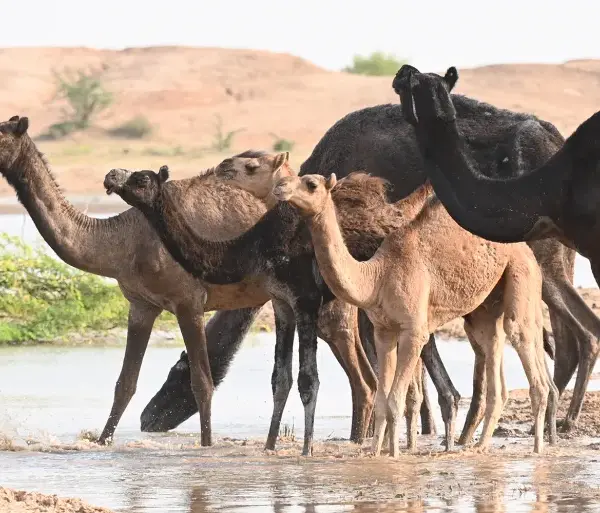
Animal welfare professionals stress that such tragedies are preventable. Working animals require consistent access to water, shade, rest, and humane handling—especially during extreme weather. When animals are treated as tools rather than living beings, the risk to both animals and humans increases dramatically.
The Barmer incident sparked nationwide debate in India about livestock care and responsibility, particularly in regions where animals are central to livelihoods. It raised difficult but necessary questions: How much strain can animals be expected to endure? Are owners prepared to protect them during climate extremes? And what safeguards are needed to prevent such outcomes?
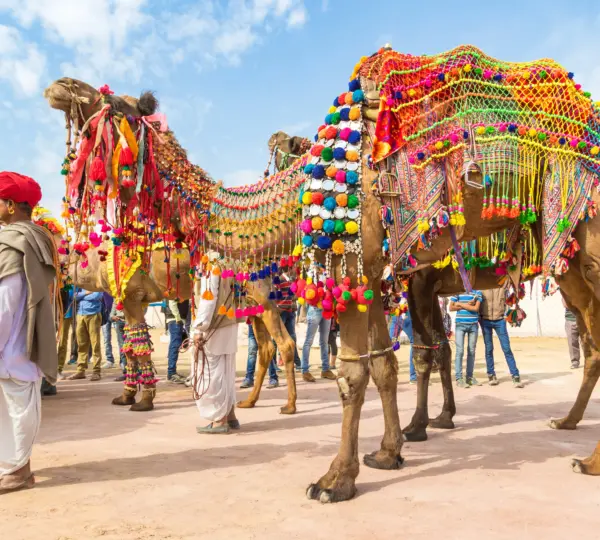
Despite the shock of this event, experts urge perspective. Millions of people interact safely with camels every year. Violence is rare—and almost always linked to stress or mistreatment. Understanding animal behavior and respecting biological limits remains the strongest protection against such incidents.
Conclusion
The tragedy in Barmer stands as a stark reminder that neglect, environmental pressure, and lack of awareness can have irreversible consequences. Camels, like all animals, depend on humans for care, protection, and respect—especially in extreme conditions. When those needs are met, coexistence is peaceful and productive.
When they are ignored, the results can be sudden and devastating. This story is not just about a single incident in the desert; it is a call for compassion, responsibility, and humane treatment—lessons that resonate far beyond Rajasthan.