
When Humor Sparks Controversy: Trevor Noah’s Grammy Joke Ignites National Debate
The 2026 Grammy Awards promised music, glamour, and unforgettable performances—but a brief moment of comedy turned the night into a national talking point. A joke delivered by host Trevor Noah during the ceremony quickly drew attention from social media, politicians, and legal experts, illustrating how entertainment and public discourse can collide in an instant.
An Evening of Surprises
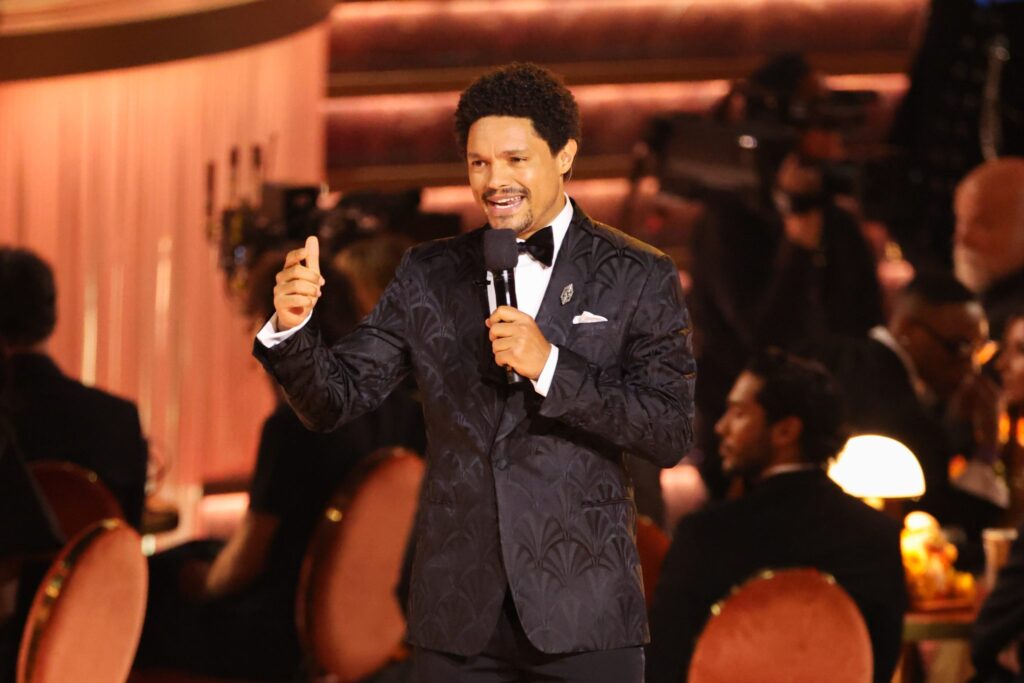
The Crypto.com Arena in Los Angeles was alive with spectacle. Chappell Roan made waves with a daring outfit, and Cher elicited laughter with her unconventional award presentation. But the segment that captured headlines wasn’t a musical performance—it was Noah’s quip during the Song of the Year presentation.
Referencing newly unsealed documents related to Jeffrey Epstein, Noah joked: “Song of the Year—that is a Grammy every artist wants almost as much as Trump wants Greenland, which makes sense because Epstein’s island is gone, he needs a new one to hang out with Bill Clinton.” The line immediately circulated online, sparking heated debate.
Fact vs. Humor
While the documents mention former President Donald Trump multiple times, there is no verified evidence linking him to illegal activity on Epstein’s island. Trump has acknowledged knowing Epstein but denied ever visiting the island or participating in any criminal acts. Legal experts noted that jokes based on unverified claims can blur the line between satire and potential defamation.
Official Responses and Legal Warnings
The White House and Department of Justice emphasized that many of the claims remain unverified. A DOJ spokesperson stated: “Some documents contain unsubstantiated claims submitted to the FBI in the lead-up to the 2020 election.”
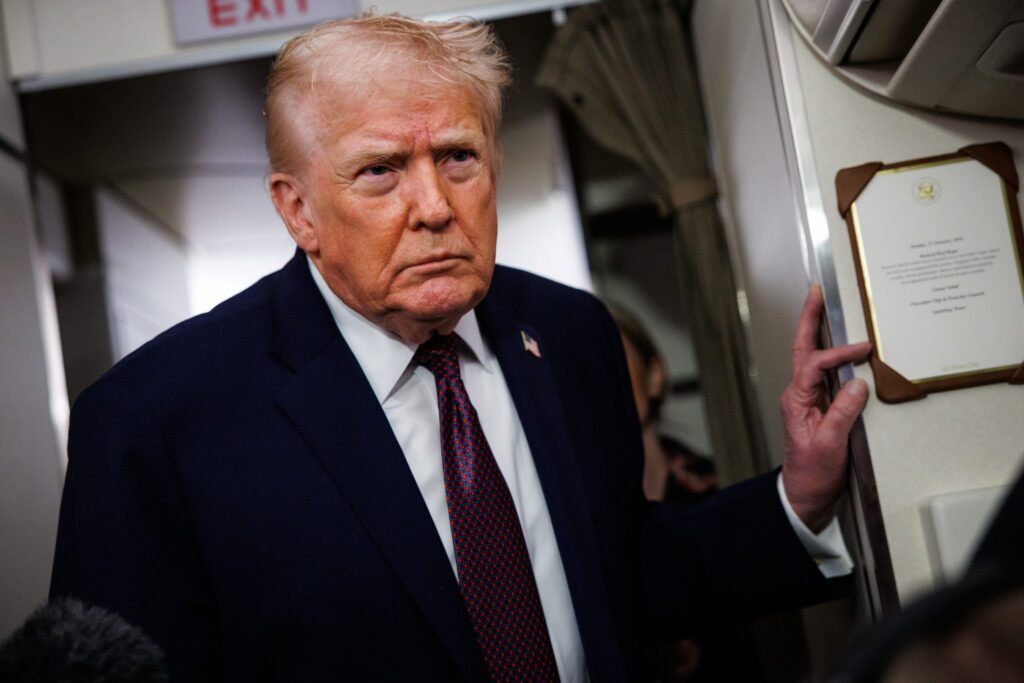
Trump, speaking aboard Air Force One, denied wrongdoing and suggested that legal action could be pursued against those spreading false claims, including author Michael Wolff.
Shortly after the ceremony, Trump posted on Truth Social, calling Noah’s joke “false and defamatory” and criticized the Grammys as “virtually unwatchable.” The post intensified online discussions, dividing audiences between defenders of comedy and advocates for accountability in public statements.
Entertainment Meets Politics
The incident underscored a larger reality: high-profile entertainment events are no longer insulated from politics or public scrutiny. In a landscape where every joke, outfit, or comment can be amplified across platforms, performers navigate not just a stage but a national conversation. The Grammy Awards, intended to celebrate music, became a focal point for discussions about media responsibility, satire, and the boundaries of humor.
Conclusion
Trevor Noah’s Grammy joke demonstrates how quickly entertainment can spill into the political and legal arenas. In today’s climate, comedy is never just comedy—its reach extends across media, public opinion, and law. As the fallout continues, the 2026 Grammys serve as a reminder that in a world of instant amplification, the line between performance and consequence has never been thinner.