
Charles Manson: How Childhood Instability Shaped a Legacy of Violence
Even the most seemingly ordinary child can grow into someone unrecognizable when early life is marked by chaos, neglect, and exposure to violence. Few lives illustrate this as starkly as Charles Manson, whose name has become synonymous with manipulation, murder, and cult-like influence in American history.
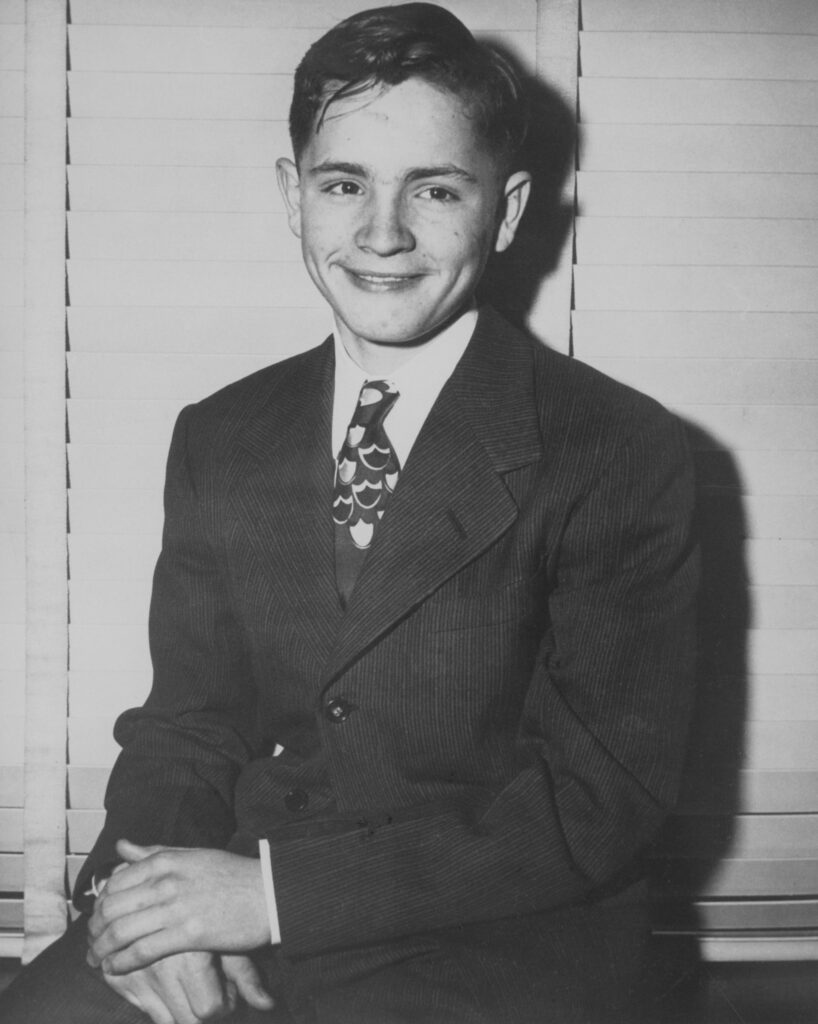
Charles Manson was born on November 12, 1934, in Cincinnati, Ohio, to a 16-year-old mother. His father, a con artist, disappeared before his birth, leaving Manson without consistent care or guidance. By the age of four, after his mother was arrested for assault and robbery, he was placed with relatives in West Virginia—a temporary refuge that offered little stability. Early childhood visits from his mother were unpredictable, sometimes bringing fleeting joy, often returning to chaos fueled by alcoholism and criminal behavior.
Manson’s adolescence was defined by a revolving door of reform schools and institutions. By nine, he reportedly set fire to one of his schools. Truancy, theft, and defiance became routine, eventually landing him at the Gibault School for Boys in Indiana. There, harsh discipline and beatings compounded his sense of isolation, and he often ran away in search of shelter and survival. Juvenile arrests for theft, car theft, and armed robbery soon followed, cementing a pattern of anti-social behavior.
As a young adult, Manson’s attempts at conventional life were brief. Jobs and fleeting stability gave way to criminal activity, manipulation, and aggression. Psychiatric evaluations labeled him “aggressively anti-social,” and repeated incidents during incarceration—including s*xual assault and theft—led to transfers to higher-security facilities. By his early twenties, Manson had developed a pattern of domination, control, and coercion that would define his adult life.
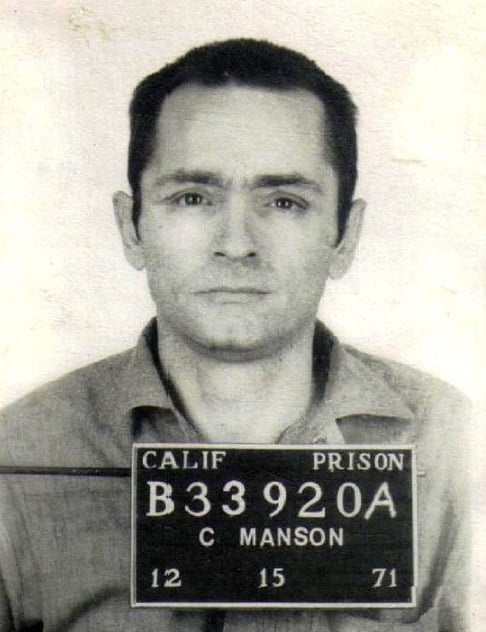
Manson’s ability to influence vulnerable individuals became chillingly apparent in adulthood. Traveling across states, marrying, and forming his so-called “Family,” he used psychological manipulation, coercion, and charisma to assert control. While imprisoned at McNeil Island, he experimented with hypnosis and psychological influence, laying the groundwork for the methods he would later employ to command followers.
By the late 1960s, Manson had cultivated a delusional ideology. Claiming that The Beatles communicated directly with him through their music, he predicted a coming race war—what he called “Helter Skelter”—in which he would emerge as a dominant leader. His brief connections to the West Coast music scene and interactions with figures such as Dennis Wilson of The Beach Boys amplified his obsession with fame, rejection, and control.
This dangerous ideology culminated in the August 1969 murders of actress Sharon Tate, her unborn child, and four others, followed by the killings of Leno and Rosemary LaBianca. The brutality of these crimes, coupled with Manson’s ability to manipulate his followers, shocked the nation. Prosecutor Vincent Bugliosi later described Manson’s influence as a chilling example of the seductive power of evil.
Convicted of multiple murders, Manson was sentenced to death in 1971; after California abolished capital punishment, his sentence became life imprisonment. Despite numerous parole applications, he remained incarcerated until his death in 2017 at age 83 from cardiac arrest complicated by colon cancer.
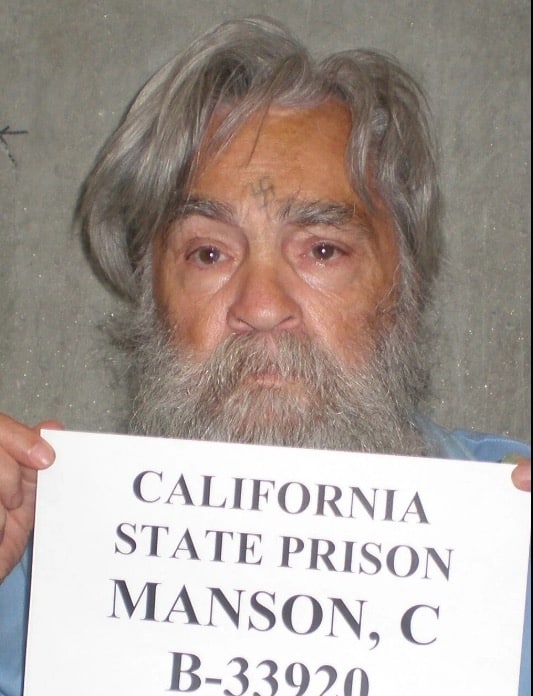
Even decades later, Manson’s story endures through books, documentaries, and cultural references, serving as a stark case study in the intersections of childhood trauma, manipulation, and destructive choice.
His life demonstrates how instability, neglect, and early exposure to violence can shape an individual—and how charisma, when combined with unchecked ambition and malice, can inflict devastating harm on entire communities.
Conclusion
Charles Manson’s life is a chilling reminder that evil can grow quietly, nurtured by early instability and vulnerability. Beyond the crimes themselves, his legacy challenges society to confront the roots of destructive behavior, the consequences of unchecked influence, and the importance of early intervention. Studying Manson is not only an examination of horror but a reflection on human susceptibility to control, persuasion, and the choices that define a life.