
For decades, Europe felt insulated from large-scale war.
Diplomacy, treaties, and alliances created a sense of safety—until reality shattered that illusion. Now, as the continent watches Ukraine under siege and hears urgent warnings from global leaders, Brussels is racing against time to prepare for a threat once thought impossible.
After Russia’s full-scale invasion of Ukraine, combined with mounting pressure from the United States and increasingly urgent warnings from military officials, the European Union is confronting a stark truth: it must take responsibility for its own defense.
Europe once relied heavily on diplomacy, economic partnerships, and NATO guarantees to maintain stability. That confidence is now fading. The war in Ukraine drags on without resolution, tensions are rising, trust among allies is fraying, and warnings of further escalation are prompting swift action.
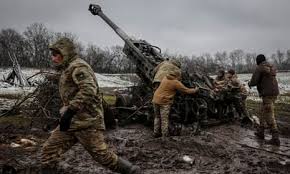
A Continent Under Pressure
Brussels now operates with a heightened sense of urgency. Russia’s invasion has dismantled long-held assumptions about continental security, while signals from Washington underscore that Europe can no longer rely solely on external support.
European leaders face a delicate balancing act: they must deter future aggression while maintaining unity at home. Last December, EU nations agreed on a €90 billion aid package to support Ukraine. Simultaneously, European Commission President Ursula von der Leyen unveiled initiatives to strengthen military, industrial, and strategic capabilities by 2030.
The rhetoric is stark. On 2 December, Vladimir Putin warned that Russia was prepared to fight and threatened that there would be “no one left to negotiate with.” NATO Secretary General Mark Rutte cautioned, “We are Russia’s next target,” noting the risk of an attack on NATO territory within five years. Germany’s defense minister, Boris Pistorius, echoed the urgency, suggesting Europe may have already seen its “last summer of peace.”
Across the security establishment, the message is consistent: the threat is real, imminent, and requires rapid preparation.
Conclusion
Europe stands at a historic crossroads. The conflict in Ukraine has forced the continent to reassess its defenses and confront vulnerabilities long considered theoretical. The coming years will test the EU’s ability to balance deterrence, alliance cohesion, and public confidence as it prepares for an uncertain future.