
Guava: A Small Fruit with Big Health Effects — and a Few Warnings
At first glance, guava doesn’t seem extraordinary. But medical experts say this tropical fruit contains a powerful mix of nutrients and plant compounds that can significantly influence your body.
When eaten in the right amount, guava can strengthen immunity, improve digestion, and support heart health. When eaten carelessly—or paired with certain conditions or medications—it can also cause unwanted side effects.
Understanding both sides is key to enjoying guava safely.
Health Benefits of Guava
1. Strengthens the Immune System
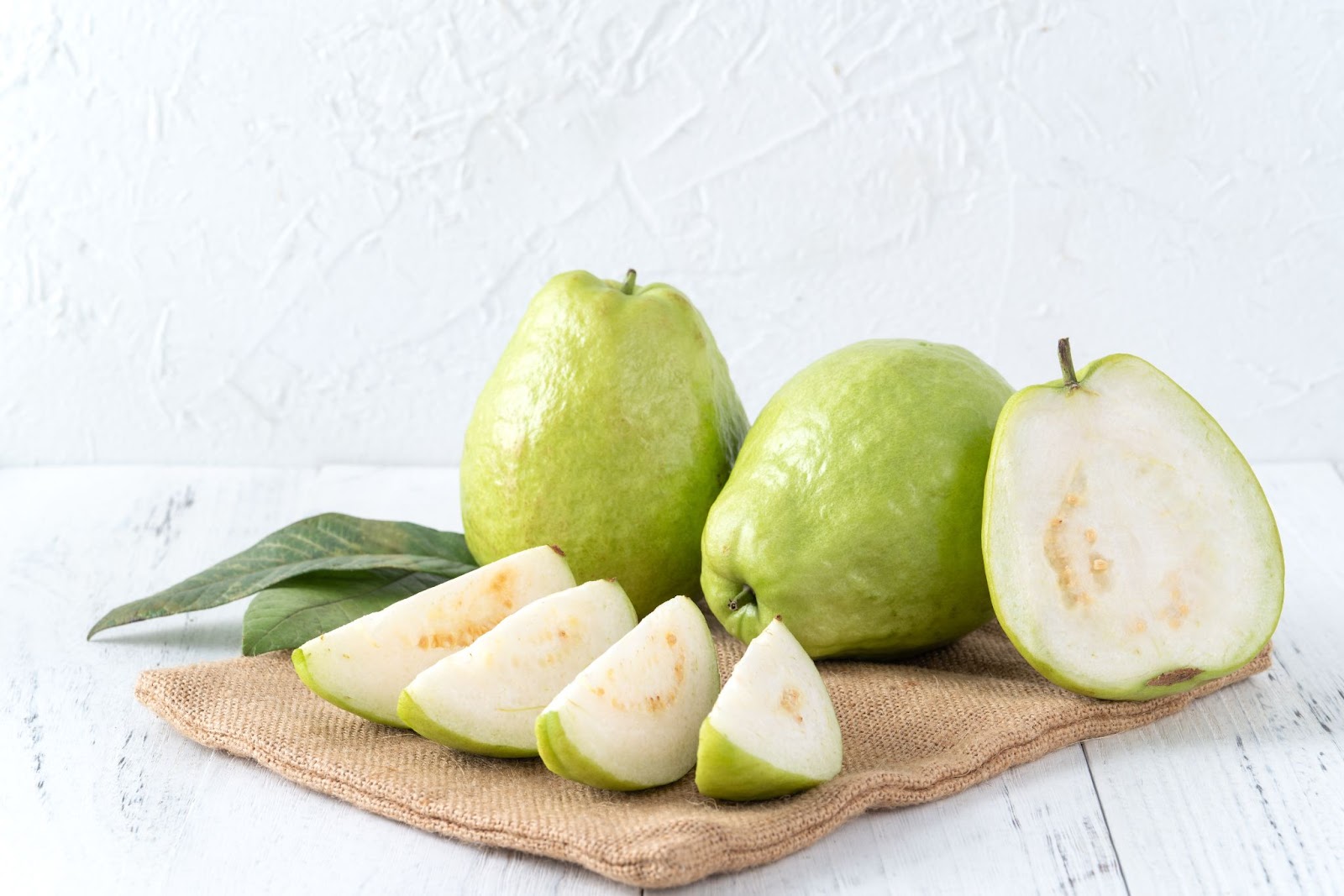
Guava is exceptionally rich in vitamin C, often delivering more than an entire day’s requirement in a single fruit. Vitamin C supports immune defense by enhancing white blood cell activity, reducing oxidative stress, and helping the body fight infections more effectively.
2. Improves Digestion and Gut Health
Guava contains both major types of dietary fiber:
Insoluble fiber, which adds bulk and helps move food through the intestines
Soluble fiber (such as pectin), which slows digestion and stabilizes bowel activity
Together, these fibers promote regular bowel movements, reduce constipation, and support a healthier gut environment.
3. Helps Manage Blood Sugar After Meals
The soluble fiber in guava slows how quickly sugar is absorbed into the bloodstream, helping reduce sharp glucose spikes. Compounds found in guava leaves—particularly flavonoids—may also improve insulin sensitivity. These effects can support blood sugar control, though they should never replace prescribed diabetes treatment.
4. Supports Heart Health
Guava contributes to cardiovascular wellness in several ways:
Fiber helps lower LDL (“bad”) cholesterol
Potassium supports healthy blood pressure
Antioxidants protect blood vessels from damage
When included in a balanced diet, guava may help reduce long-term heart disease risk.
5. Natural Anti-Inflammatory and Antimicrobial Properties
Guava peel and leaves contain polyphenols, tannins, and flavonoids known for reducing inflammation and fighting certain microbes. Traditionally, these compounds have been used to soothe digestive issues, support oral health, and assist with minor wound care.
Possible Side Effects of Guava
1. Digestive Discomfort When Overeaten
Guava is high in fiber and natural sugars like fructose. Eating too much can overwhelm digestion, leading to bloating, gas, or diarrhea—especially for people with sensitive stomachs, IBS, or fructose intolerance.
2. Constipation Without Enough Fluids
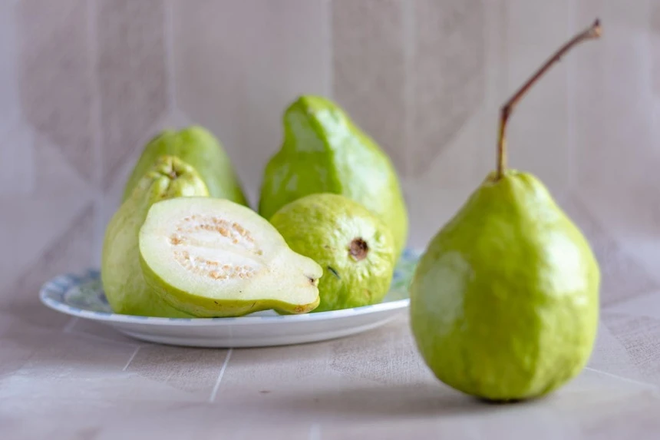
Fiber needs water to work properly. High guava intake without adequate hydration can actually slow digestion and harden stool.
3. Allergic or Oral Reactions
Some people experience itching, tingling, or mild swelling in the mouth after eating guava. This may be linked to pollen-related food allergies. Rarely, hives or throat irritation can occur.
4. Low Blood Sugar Risk for Diabetics
Because guava can lower glucose levels, combining it with insulin or certain diabetes medications may increase the risk of hypoglycemia. Blood sugar monitoring is important for those with diabetes.
5. Skin Irritation from Leaves or Peel (Uncommon)
Direct contact with guava leaves or peel—especially in homemade remedies—may irritate sensitive skin. Eating the fruit itself is generally safe for most people.
Practical Tips for Eating Guava Safely
Moderation: One medium guava per day is usually safe for healthy adults
Diabetes: Monitor blood sugar and consult a doctor if consuming guava or guava leaf tea regularly
Sensitive digestion: Start with half a fruit and assess tolerance
Allergies: Stop eating guava if you notice itching or swelling and seek medical advice
Extracts and supplements: Use cautiously, as they are more concentrated than whole fruit
Quick Summary
Benefits
Boosts immunity
Supports digestion
Helps regulate blood sugar
Promotes heart health
Cautions
Too much may cause bloating or diarrhea
Can trigger allergic reactions
May interact with diabetes medications
High fiber requires sufficient water intake
Conclusion
Guava is far more than a sweet tropical snack—it’s a nutrient-dense fruit with real health power. From strengthening the immune system to aiding digestion and supporting heart and metabolic health, its benefits are impressive when consumed thoughtfully.
Like any potent food, however, balance matters. Paying attention to portion size, hydration, and individual health conditions allows you to enjoy guava’s advantages without unwanted side effects. When eaten wisely, this humble fruit can be a valuable addition to a healthy diet.