
History often celebrates presidential triumphs—but it also keeps a quieter record of missteps, hesitation, and costly decisions.
Some failures were immediate and unmistakable; others revealed their damage only decades later. Behind speeches, ceremonies, and official portraits lie moments when leadership faltered, crises deepened, or opportunities were lost.
These presidencies remain the subject of debate and uneasy reassessment, reminders that power, when mishandled, can leave scars that last generations.
The U.S. presidency carries immense responsibility. Decisions made in the Oval Office have shaped wars, economic stability, civil rights, and America’s standing in the world.
While many presidents are remembered for decisive leadership or lasting reforms, others are frequently criticized by historians for ineffective governance, controversial actions, or failures during pivotal moments.
Judging presidential success is inherently complex, shaped by historical context and evolving standards. Still, certain presidents consistently rank low in scholarly evaluations because of the enduring consequences of their leadership. This examination explores several U.S. presidents most often cited as ineffective or controversial—based on documented outcomes and historical analysis rather than modern political alignment.
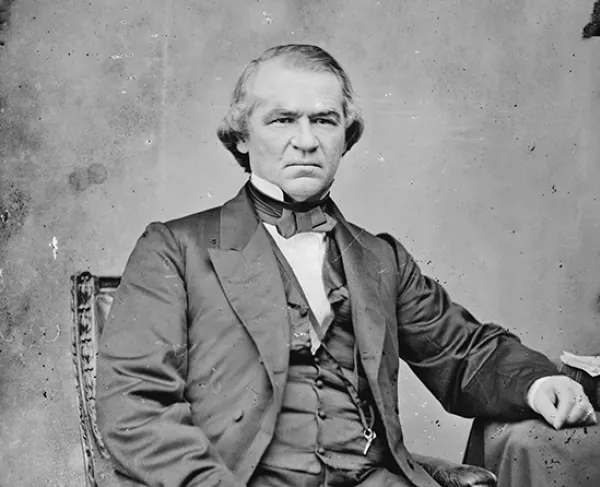
Andrew Johnson (1865–1869)
Andrew Johnson assumed the presidency after Abraham Lincoln’s assassination, inheriting the fragile task of Reconstruction. The moment demanded firm leadership to reunite the nation while securing rights for formerly enslaved people.
Instead, Johnson consistently opposed congressional efforts to protect civil rights and vetoed key Reconstruction legislation. His leniency toward former Confederate leaders allowed many to regain political power quickly, undermining progress toward racial equality.
His repeated clashes with Congress culminated in impeachment in 1868 after violating the Tenure of Office Act. Though he narrowly avoided removal, historians widely regard his presidency as one that stalled civil rights advancements for generations.
James Buchanan (1857–1861)
James Buchanan presided over the nation during its final descent toward civil war. His belief that restraint and compromise could preserve the Union proved disastrously misplaced.
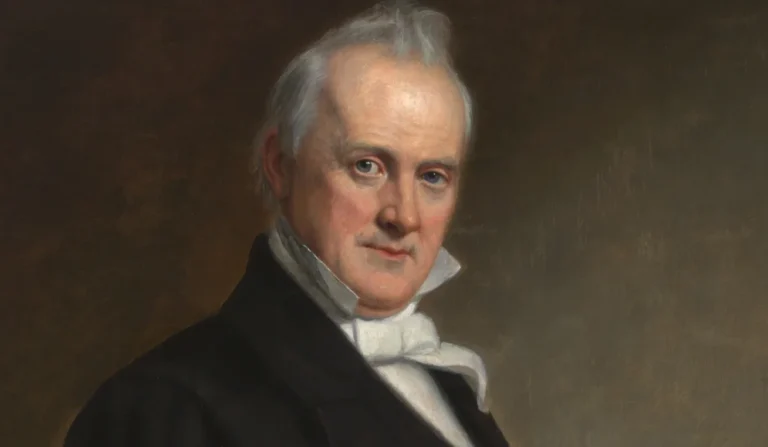
Buchanan argued the federal government lacked authority to confront slavery directly and supported the pro-slavery Lecompton Constitution, further inflaming sectional tensions. When Southern states began seceding after Lincoln’s election, he took no decisive action, claiming constitutional limits. His inaction left the country unprepared for war and handed an explosive crisis to his successor, placing him near the bottom of most historical rankings.
Herbert Hoover (1929–1933)
Herbert Hoover entered office just as the Great Depression began. Despite a reputation for humanitarian leadership, his response to the economic collapse drew lasting criticism.
Committed to limited government intervention, Hoover resisted direct federal aid to struggling Americans. His reliance on voluntary cooperation from businesses and local governments failed as unemployment soared and banks collapsed. By the end of his term, widespread poverty and despair dominated public life, and Hoover’s rigid ideology and communication failures severely eroded public trust.
Richard Nixon (1969–1974)
Richard Nixon’s presidency remains one of the most complex and controversial in U.S. history. His administration achieved major foreign policy successes, including opening relations with China and negotiating arms control agreements with the Soviet Union.
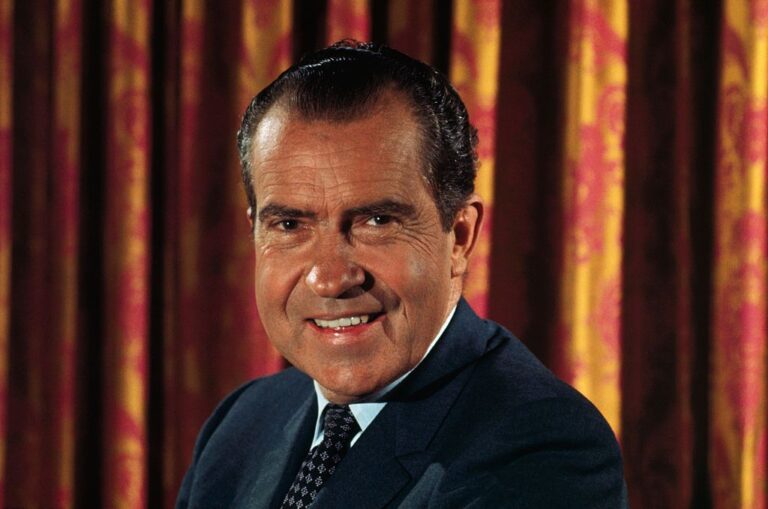
These accomplishments, however, were eclipsed by the Watergate scandal. Investigations revealed abuses of power, illegal surveillance, and efforts to obstruct justice. As evidence mounted, Nixon’s role in the cover-up became undeniable.
Facing near-certain impeachment, he resigned in 1974—the only U.S. president to do so. The resulting erosion of trust in executive authority reshaped American politics for decades.
Andrew Jackson (1829–1837)
Andrew Jackson is among the most divisive presidents in American history. Supporters credit him with expanding democratic participation for white men and strengthening executive power. Critics point to the human cost of his policies.
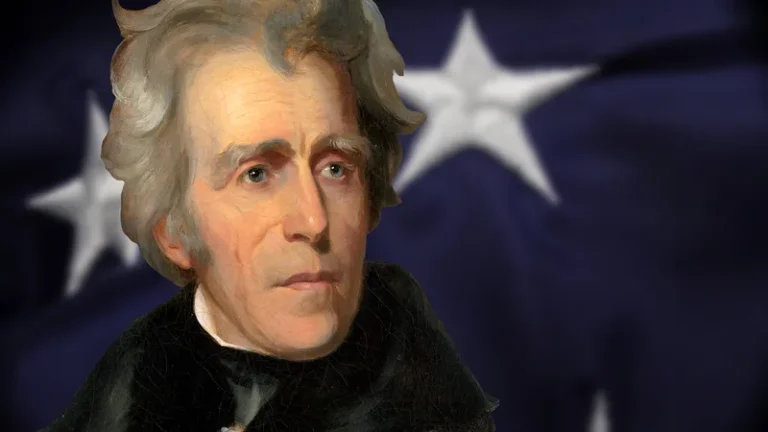
Jackson’s enforcement of the Indian Removal Act led to the forced displacement of Native American tribes and the Trail of Tears, resulting in the deaths of thousands. His refusal to enforce Supreme Court rulings protecting tribal sovereignty cemented a legacy marked by profound suffering and disregard for constitutional limits.
George W. Bush (2001–2009)
George W. Bush’s presidency was defined by the September 11 attacks and the ensuing War on Terror. His administration launched wars in Afghanistan and Iraq, fundamentally reshaping U.S. foreign policy.
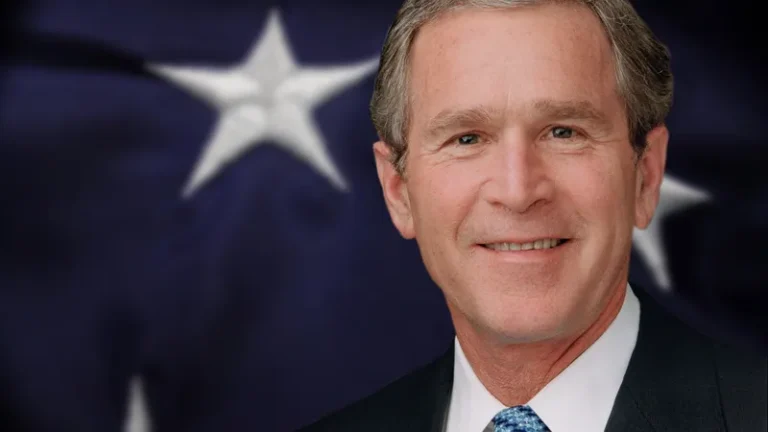
The 2003 invasion of Iraq remains deeply controversial, based on intelligence claims about weapons of mass destruction that later proved false. The conflict led to prolonged instability and significant loss of life. Domestically, Bush faced criticism for the federal response to Hurricane Katrina and the 2008 financial crisis. While supporters defend aspects of his leadership, historians often rank his presidency among the most contentious of the modern era.
Lyndon B. Johnson (1963–1969)
Lyndon B. Johnson demonstrated extraordinary legislative skill, advancing landmark domestic reforms under his “Great Society” agenda. His achievements include major civil rights laws and the creation of Medicare and Medicaid.
Yet his presidency is inseparable from the Vietnam War. Under Johnson, U.S. involvement escalated dramatically, leading to rising casualties and widespread protest. Government secrecy and shifting justifications eroded public trust. For many historians, Vietnam ultimately defined—and damaged—his presidency despite his domestic accomplishments.
Jimmy Carter (1977–1981)
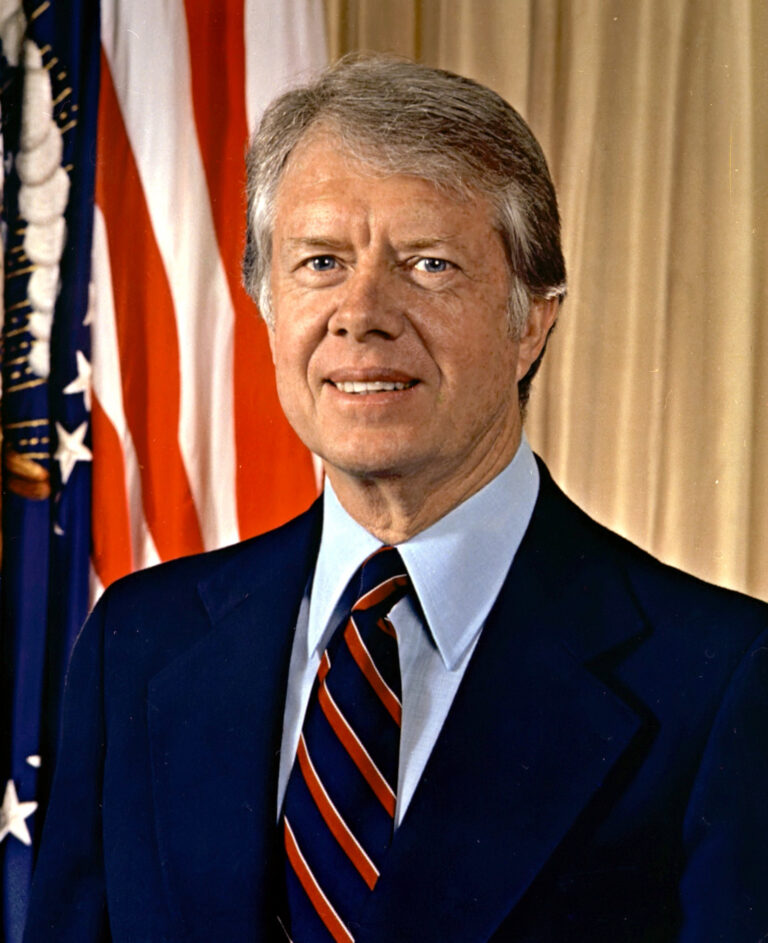
Jimmy Carter entered office pledging ethical leadership and transparency. His administration emphasized human rights, environmental protection, and diplomacy, culminating in the Camp David Accords between Egypt and Israel.
However, Carter struggled to manage inflation, unemployment, and an energy crisis that undermined public confidence. The Iran hostage crisis further damaged perceptions of leadership. Though widely respected for his post-presidential humanitarian work, historians often rank his presidency as ineffective.
Barack Obama (2009–2017)
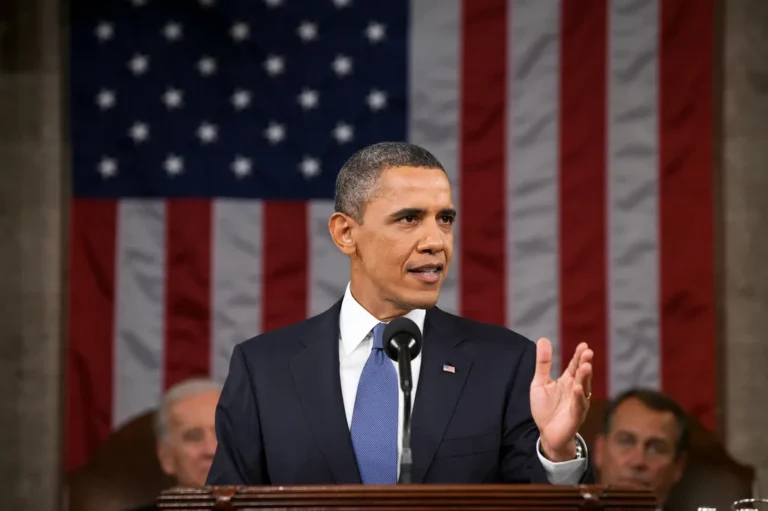
Barack Obama assumed office during a severe financial crisis. His administration focused on economic recovery, stabilizing markets and reducing unemployment.
The Affordable Care Act expanded healthcare coverage to millions, earning both praise and criticism. Obama’s foreign policy drew scrutiny over drone warfare, Middle East interventions, and instability in Libya and Syria. While some historians credit his administration with restoring institutional stability, others view his record as mixed, resulting in widely varying historical rankings.
Conclusion
Determining the least effective presidents is never straightforward. Each administration operated under unique pressures shaped by war, economic upheaval, and social change. In many cases, failure did not stem from a single decision but from patterns of poor judgment, inflexibility, or disregard for democratic norms.
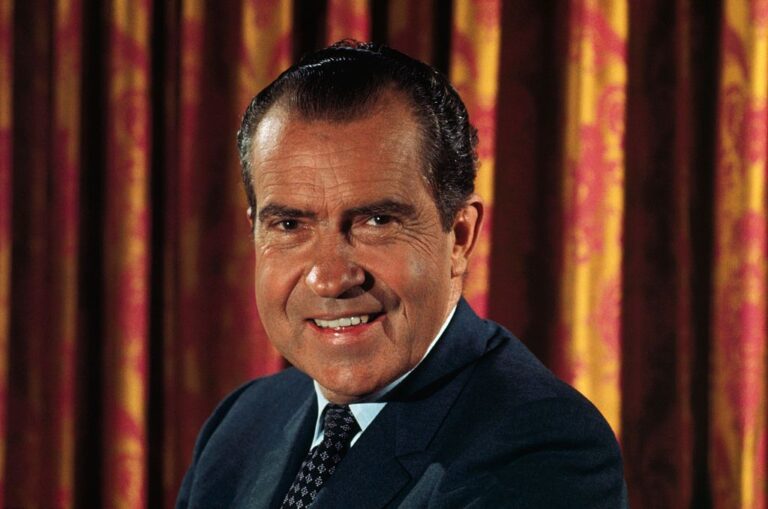
These presidencies offer enduring lessons about leadership, accountability, and the consequences of power misused or unchecked. Studying these shortcomings is not merely an exercise in criticism—it is an essential step in understanding how democratic systems can falter and how they must continually be protected, challenged, and improved.d.