
Small Boat Safety: One Lifejacket Can Make All the Difference
Most boating trips start with confidence. The water looks calm, the boat feels steady, and danger seems distant. Yet small-boat accidents rarely begin with panic—they often start with a single misstep, a sudden wave, or an unexpected shift in weight. In those critical moments, survival often hinges on one simple decision made before leaving the dock: wearing a lifejacket.
Lifejackets Save Lives
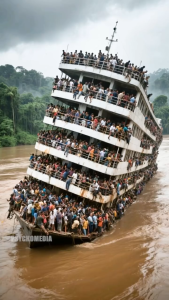
Drowning—whether from falling overboard or capsizing—is the leading cause of death in small-vessel accidents. The U.S. Coast Guard reports that 85% of fatalities involved individuals not wearing a lifejacket. This simple precaution remains the single most effective way to survive an unexpected emergency on the water.
Why Small Boats Capsize
Smaller vessels—canoes, kayaks, sailboats—are more vulnerable to tipping. Rough waves, sudden turns, uneven weight distribution, overcrowding, and bad weather can quickly make a stable craft dangerous. While these boats may stay afloat, even minor shifts in weight can throw passengers overboard.
Preventing Accidents
Smart habits reduce risk:
Keep your center of gravity low and maintain three points of contact.
Move carefully and approach wakes head-on.
Slow down in poor weather and avoid tying anchor lines to the stern to prevent swamping.
Responding in an Emergency
If someone falls overboard, act quickly but calmly:
Stop the boat immediately.
Throw a flotation device.
Keep the person in sight.
Reboard only after turning off the engine.
If the boat capsizes:
Stay calm and remain with the vessel.
Conserve energy.
Trust your lifejacket to keep your airway above water until rescue arrives.
Conclusion
Boating accidents can happen in seconds, leaving little time to react. Wearing a lifejacket turns a potential tragedy into a survivable situation, giving you time, conserving energy, and keeping you afloat. Combined with smart handling, situational awareness, and calm responses, this simple piece of equipment can make the difference between a close call and a fatal accident.