
SNAP Benefits Delayed Amid Historic Government Shutdown, Millions Left Waiting
The longest government shutdown in U.S. history is causing major disruptions for recipients of the Supplemental Nutrition Assistance Program (SNAP), the federal food assistance program formerly known as food stamps.
Many households have yet to receive their November benefits, and some may face delays extending for months, according to government officials and policy experts.
On November 3, the Trump administration announced it would issue partial November SNAP benefits to comply with a court ruling, tapping into a $4.6 billion contingency fund.
Because only a fraction of funds is being distributed, states must adjust their payment systems to reflect the reductions, USDA official Patrick Penn noted in a court filing.
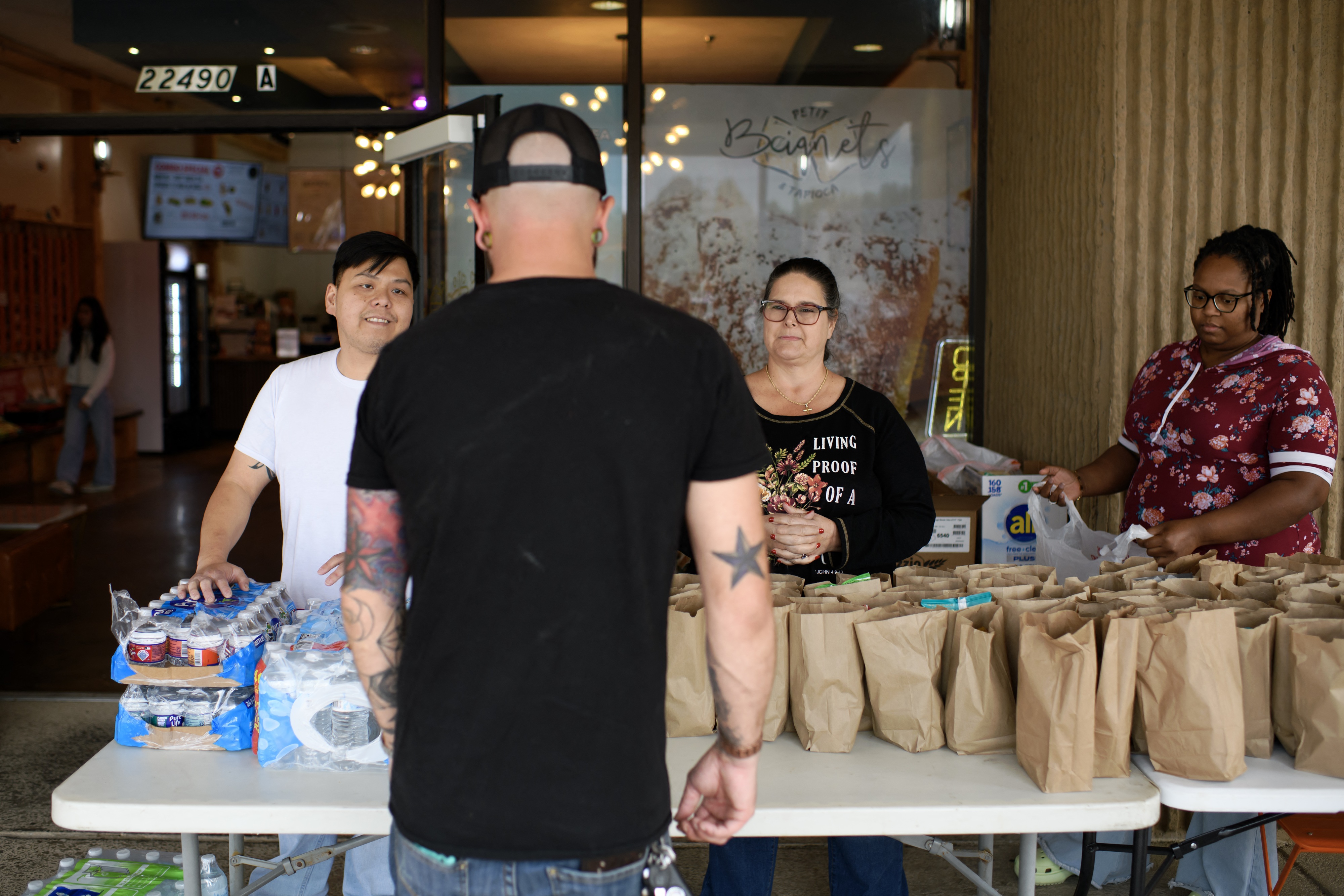
Reduced Payments and System Challenges
A USDA memo sent to states on November 4 outlined the new benefit amounts, showing reductions of roughly 50% compared with normal allotments. For example, a three-person household would receive $392 instead of the usual $768. Penn stressed that states must implement the changes immediately.
However, many states rely on outdated systems, making rapid adaptation difficult. Some may distribute partial benefits within weeks, while others could require months to complete adjustments. Tracy Roof, a political science professor at the University of Richmond, explained that issuing only partial benefits complicates matters, as states must reprogram their systems rather than simply transferring full payments.
Some states, including California, have warned that timelines remain uncertain, while North Carolina has projected that partial benefits could be loaded onto electronic cards within a week of receiving federal funds. Virginia is using state resources to maintain standard SNAP payments.
Legal Battles and Court Orders
Judge John McConnell Jr. of the U.S. District Court for Rhode Island ordered that the USDA either distribute full November benefits by November 3 or partial benefits by November 6. The administration opted for the latter, citing the need to preserve funding for child and maternal nutrition programs.
Plaintiffs, including the New York Legal Assistance Group and the city of Albuquerque, argued that delays caused by partial benefits violate the court’s directive and requested that the full $8.5–$9 billion in SNAP funds be released immediately. They called the partial distribution plan “arbitrary, unlawful, and damaging” to both recipients and community organizations dependent on SNAP. A hearing on the motion was scheduled for November 6.
Meanwhile, President Trump stated on November 4 that SNAP recipients would not receive benefits until the shutdown ends, with White House Press Secretary Karoline Leavitt stressing that the administration was following the court’s instructions. Efforts to pass measures reopening the government have failed, with Democrats largely opposing and Republicans blocking full SNAP funding. USDA attorneys later informed the court that updated guidance provided to states demonstrates compliance with the judge’s order.
The Human Impact
The shutdown’s effect on SNAP underscores how federal gridlock can have immediate consequences for millions of vulnerable Americans. With partial benefits distributed and state systems struggling to adapt, families face uncertainty over access to food and essential nutrition support. Experts warn that delays and reduced payments could have cascading effects on households and local organizations that rely on timely SNAP assistance.
Bottom Line
For millions of Americans, the combination of a prolonged government shutdown, partial funding, and outdated state systems has created a perfect storm of uncertainty. While the administration’s contingency fund offers some relief, many recipients are left waiting—and worrying—about how they will access their next meal.