
Field Corn vs. Sweet Corn: More Than Meets the Eye
Next time you drive past endless golden waves of corn, pause for a moment. At first glance, it might all look the same—tall stalks, yellow kernels glinting in the sun. But appearances can be deceiving. Behind those fields lies a story of two very different types of corn: one fuels industry, the other fuels our taste buds. And understanding the difference can change the way you think about your food entirely.
Field Corn: Agriculture’s Workhorse
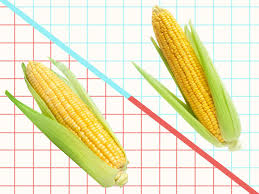
Field corn, also called dent corn or feed corn, dominates U.S. corn production. Harvested late, its kernels are tough and packed with starch. Unlike the sweet corn we enjoy on the cob, field corn is primarily used to feed livestock or transformed into products like corn syrup, ethanol, cereal ingredients, cornmeal, and cornstarch. Though we consume items derived from it daily, eating it straight from the cob would be a disappointment—its purpose is durability, not flavor.
Sweet Corn: Made for the Table
Sweet corn is harvested earlier, while the kernels are soft and sugary. This is the corn we boil, roast, or grill at family gatherings. Technically a grain, sweet corn is enjoyed as a vegetable for its tender texture and naturally sweet taste.
How to Tell Them Apart
Field corn has dull, starchy kernels and is bred for resilience and maximum yield, often using genetically modified varieties. Sweet corn, in contrast, has plump, glossy kernels, is grown for flavor, and is usually non-GMO.
Why It Matters
Though they may look alike in the field, these two types of corn serve very different purposes. Field corn powers the food industry and livestock feed systems, while sweet corn delivers the fresh taste we savor at our tables. Recognizing the distinction helps us appreciate not only the food we eat, but the supply chain that makes every meal possible.
Conclusion
The next time you pass a sea of corn waving in the wind, remember: looks can be deceiving. Some of it is industrial, built for utility; some is tender, sweet, and made for enjoyment. Every kernel has a purpose, and understanding that purpose deepens our appreciation for the food on our plates.