Born to Live Free
I had made a breakfast for twenty.
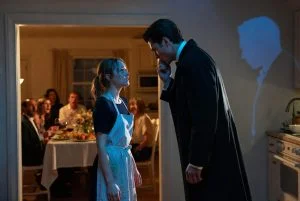
I had scrubbed two floors and polished the silver and arranged the flowers and set the long table where, in a few hours, some of the richest people in the state would eat off china I had washed and congratulate one another on their generosity toward abused and abandoned women.
The hypocrisy of it hurt worse than her hand did. I stood there with my cheek burning and thought: they are here to save women like me, and not one of them knows I exist.
And I did not cry, because I had learned not to. That was a skill Agatha had taught me over six years, without meaning to — the skill of standing perfectly still with a stinging face and a full tray and letting nothing show, because showing it only ever made things worse.
I had become very good at being furniture. I could serve a room its coffee with a fresh bruise under my sleeve and a smile fixed on my mouth, and no one ever looked twice, because no one looks at the help.
I had told myself, for a long time, that this endurance was strength — that surviving her was a kind of winning.