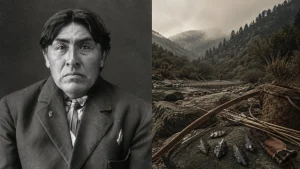
The 14,200-Year-Old Human DNA Found In Ancient Feces — And The Oregon Cave Discovery That Challenged Clovis
Lake Chewaucan provided reliable water and the diverse resources of an aquatic ecosystem, but the lake’s productivity varied with season and with the longer climatic oscillations of the late Pleistocene.
The surrounding uplands offered plant foods and small game, but their productivity was highly seasonal.
The rare large herbivores — the horses, the bison, and the occasionally present mammoths of the late Pleistocene megafauna — provided enormous caloric resources when they could be successfully hunted, but they were mobile, unpredictable, and potentially dangerous prey.
People who succeeded in this landscape were people who had developed comprehensive knowledge of its resources and their temporal and spatial distributions.
They knew where specific plant foods peaked in different seasons.