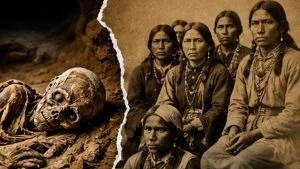
The 25,000-Year-Old Teeth That Just Rewrote The History Of Human Drug Use
Each new study that successfully detects and identifies an unexpected compound in an ancient specimen expands our understanding of what might be findable in other specimens.
The Sulawesi arecoline detection will almost certainly inspire efforts to look for other psychoactive alkaloids in ancient dental tissue from other parts of the world and other time periods.
Cocaine in mummies from pre-Columbian South America has already been reported.
Cannabis compounds in ancient Central Asian burial contexts are documented.
The list of psychoactive substances that have left chemical traces in ancient specimens is growing.
The future of this research field is likely to produce further record-breakings and further surprises as the analytical toolkit improves and as archaeologists apply it more systematically to ancient specimens.