The 6,000-Year-Old People Found Near Bogotá — And The DNA Test That Revealed A Native American Lineage That Vanished From The Genetic Record
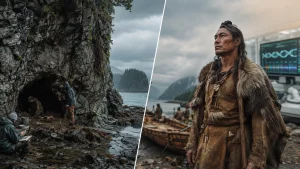
Genetic data from archaeological sites along these potential corridors would help trace the specific paths of population movement.
The Muisca: What Came After
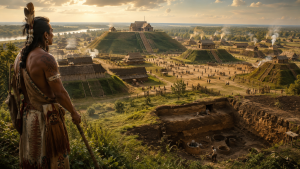
The Muisca are worth understanding in some depth, because they are the endpoint of the demographic sequence that the 2025 study documented — the people who occupied the Bogotá Altiplano when European colonizers arrived in 1537, and who have remained present (though transformed by colonialism) in the region to this day.
The Muisca chiefdoms were among the most politically complex societies in pre-Columbian South America outside of the central Andean civilizations of Peru and Bolivia.
At the time of Spanish contact, the Altiplano was governed by multiple competing chiefdoms, the two largest of which were centered on the towns of Bogotá (in the southern Bogotá basin) and Hunza (in the Boyacá region to the north, near modern Tunja).