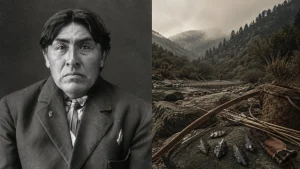
The Native American Who Won Two Olympic Gold Medals – Then Had His Titles Taken Away Before History Finally Reversed The Decision
Jim Thorpe was not, by the accounts of people who knew him, a man who spent his final years agitating for the return of his Olympic titles.
“I won ’em, and I know I won ’em,” he told his daughter Grace.
On another occasion, he reportedly said he had played “with the heart of an amateur — for the pure hell of it.” These are the words of a man who had made his peace with a situation he could not change, not a man consumed by grievance.
He lived with the injury without making the injury the center of his public identity.