The Young Woman Found In An Idaho Gravel Quarry — And The 12,500-Year-Old Burial That Complicated The Clovis Story
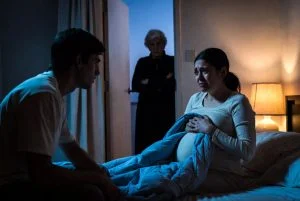
What remains is the record — the published evidence, the ongoing debates, the calibrated awareness of the freshwater reservoir problem, the image of an eyed needle and a large obsidian point and a bone implement of unknown function, placed in the ground beside a young woman who ate salmon from the Snake River and survived a hard childhood and died before she reached her mid-twenties, in a world that had been the world of human beings in the Americas for perhaps only a few thousand years at most.
That record is not nothing.
It is, in fact, extraordinary: evidence of a human life at the far edge of the American past, documented imperfectly by science, returned to the earth by the rightful claim of those who called her an ancestor, and still — even now, even with the dating questions and the lost sampling opportunities and the reburial — still one of the most important early human remains ever found in western North America.
The date may be wrong.