
Ginger is a strong natural root widely used for its health benefits, but if you fall into any of these five groups, it may be worth reconsidering its use.
Ginger is a commonly used spice that has been valued for centuries for its medicinal properties. It is known for its anti-inflammatory and antioxidant effects and is often used to help with nausea, vomiting, and indigestion. However, despite these benefits, ginger is not suitable for everyone, particularly in high doses or supplement form. The following groups are advised to avoid it for this reason.
Groups That Should Avoid Ginger
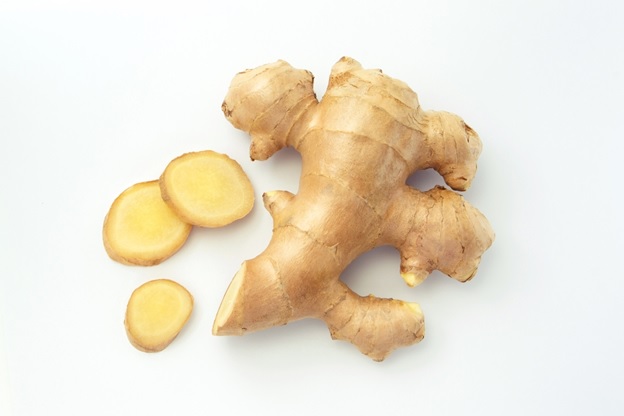
As already noted, ginger is a powerful plant with many benefits for the human body. For this reason, it has been used for centuries by Indigenous communities to treat a range of ailments. Today, ginger supplements are also widely available. These are far more concentrated than simply eating fresh ginger root or using ginger powder. While they can be beneficial, certain groups of people are advised to avoid them.
- People with heart conditions

Ginger has been shown to lower blood pressure and improve circulation, which can benefit some individuals. However, for those with heart conditions, this may pose risks. It can interact with certain medications, such as blood thinners, increasing the risk of bleeding. In some cases, ginger may also trigger arrhythmias, which can be serious. (1)
- People with gallstones
- People with diabetes
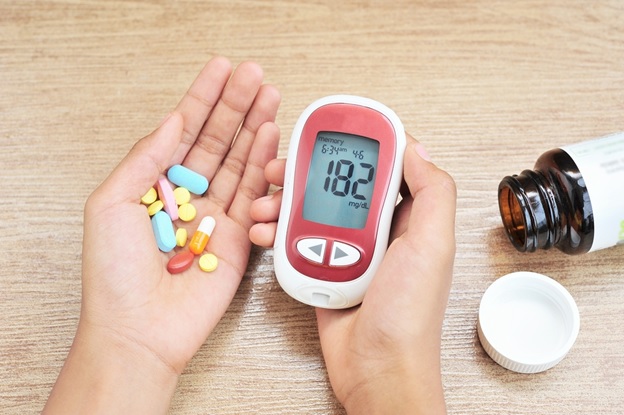
Ginger has been shown to lower blood sugar levels, which can benefit people with diabetes. However, it may be risky for those taking medications that also reduce blood sugar. Ginger can interact with these drugs and cause blood sugar to drop too low, leading to hypoglycemia.
“We know that ginger can affect your insulin levels … so it can interact with certain diabetes medications people are on; if you’re taking ginger supplementation and you are on diabetes medication, that can cause low blood sugar, or hypoglycemia,” says Rahaf Al Bochi, RD, a spokesperson for the Academy of Nutrition and Dietetics and owner of Olive Tree Nutrition. (3)
- Anyone experiencing severe side effects
While ginger is generally safe for most people, some may experience severe side effects. These can include allergic reactions such as hives or difficulty breathing, as well as gastrointestinal symptoms like nausea, vomiting, and diarrhea. If you develop severe side effects after consuming ginger, you should stop using it immediately and seek medical attention.
- Possibly if You’re Pregnant

The message around ginger during pregnancy is mixed. Some studies suggest it can be safe and effective for easing morning sickness (4,5), while others raise concerns about the safety of high doses and supplements during pregnancy.
Certain evidence also suggests that ginger tea should be avoided close to labour, as it may increase the risk of bleeding. Pregnant women with a history of miscarriage, vaginal bleeding, or blood clotting disorders are also advised to avoid ginger products. (6)
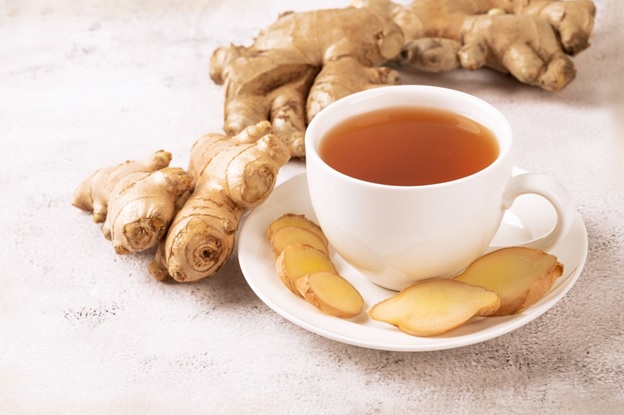
In general, it is recommended that pregnant women avoid high doses of ginger and supplements and instead consume it in moderation as part of a normal diet, such as in ginger tea. This can be made by steeping fresh ginger slices in hot water and adding lemon or honey for flavour and additional benefits.
The Bottom Line
While ginger offers a range of health benefits, it is not appropriate for everyone. Individuals with heart conditions, gallstones, diabetes, or those experiencing severe side effects should avoid its use. Pregnant women are also advised to be cautious and consult a healthcare provider before taking ginger supplements. As with any supplement or medication, medical guidance is important to ensure safety.
Excessive supplementation can sometimes lead to unwanted effects due to high doses, so if any adverse reactions occur, it is best to seek medical advice. For those who want the benefits of ginger with a lower risk of side effects, using fresh ginger root in food is generally a safer option.
Read More: How Might Ginger Help with Obesity and Fatty Liver Disease?
Sources
“Ginger.” Mount Sinai
“What are the side effects of ginger tea?” Medical News Today. Lydia Kibet. November 30, 2020
“The Potential Health Benefits and Risks of Ginger for Type 2 Diabetes.” Everyday Health. Jamie Ludwig. January 16, 2018
“The Effectiveness of Ginger in the Prevention of Nausea and Vomiting during Pregnancy and Chemotherapy” Integrative Medicine Insights. March 31, 2016
“How Safe Is Ginger Rhizome for Decreasing Nausea and Vomiting in Women during Early Pregnancy?” Foods. April 1, 2018
“Ginger for nausea and vomiting of pregnancy” Can Fam Physician