
A heartbroken mother has spoken out after her 21 year old son tragically died just hours after visiting an urgent treatment centre where his symptoms were reportedly not recognized as life threatening.
Cian Everett died during the early hours of January 14, 2025, after suffering from what initially appeared to be severe sinus problems. But what doctors later discovered was something far more dangerous and incredibly rare.
According to evidence heard during an inquest, the university student had developed a brain abscess linked to sinusitis, alongside acute meningitis and severe swelling on the brain.
His devastated family says nobody realized just how critically ill he truly was.

The 21 year old, who studied at the University of Reading, had reportedly been dealing with headaches since December 2024. As his symptoms worsened, his family repeatedly sought medical advice.
At one point, Cian described the pain as feeling like he had been “hit with a brick” during a call to NHS 111 before attending the urgent treatment centre.
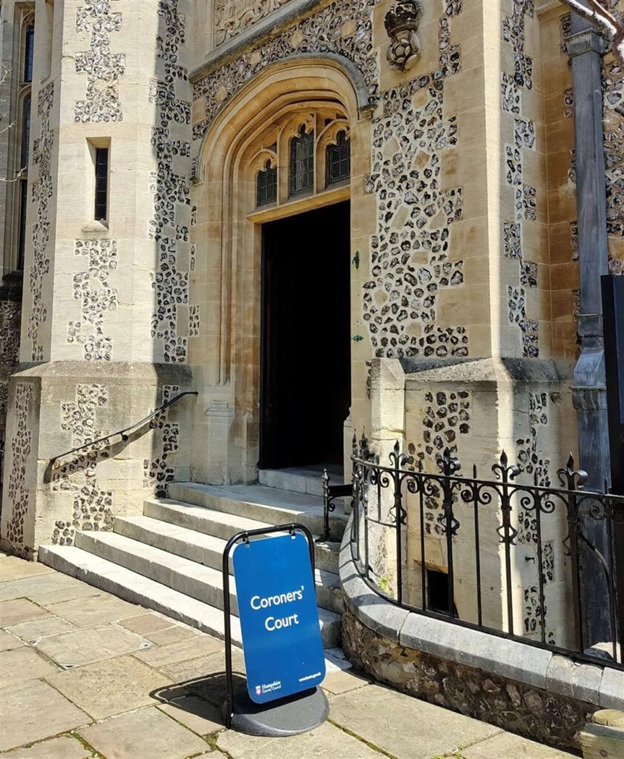
However, during the inquest held at Winchester Coroner’s Court, it was revealed that the nurse and doctor who later assessed him allegedly did not review the detailed notes from that call.
Instead, he was reportedly advised to use nasal spray and inhale steam at home for suspected sinusitis.
Tragically, only around 12 hours later, he was dead.
An autopsy later revealed Cian had developed a 6cm by 4cm abscess on the right side of his brain, an extremely rare complication doctors described as a “one in 100,000” outcome from sinusitis.
The inquest heard that his condition rapidly deteriorated over the following days. His mother, Gillian, became increasingly alarmed after noticing her son was lethargic, barely eating, constantly freezing cold, and struggling to function normally.
“He was really lethargic, and I was really worried about him because this was so out of character,” she told the court.
On January 12, she contacted NHS 111 after his symptoms became concerning. They were advised to visit a pharmacy, where sinusitis was once again suspected.
But things only got worse.
Cian later began vomiting, experienced blurred vision, and suffered what was described as a severe thunderclap headache before returning for further medical help.
During the hearing, locum doctor Simon Escalon explained that he had reviewed older medical notes instead of the most recent NHS 111 report detailing the seriousness of Cian’s symptoms.
Believing the patient’s condition had improved because nasal discharge had cleared, he reportedly decided against referring him for scans or hospital treatment.
The court also heard that the urgent treatment centre did not have scanning equipment available.
Dr Escalon later told the inquest that had he been aware of the severity of the symptoms, he would have immediately referred Cian to Southampton A&E.
At one point during the proceedings, Cian’s grieving mother interrupted the doctor, saying: “He died 12 hours later.”
That evening, Cian remained extremely unwell. He could barely eat dinner and sat wrapped in a heated blanket while watching Harry Potter with his mother because he could not stop feeling cold.
As his headache worsened, he took pain relief before later vomiting on the stairs and heading upstairs to rest.
Then came the moment his mother says she will never forget.
At around 5:40 in the morning, Gillian heard disturbing gurgling noises coming from her son’s bedroom. When she rushed in, he was unresponsive and no longer breathing.
She immediately called emergency services and desperately performed CPR until paramedics arrived.
Sadly, despite their efforts, they were unable to save him.
A pathologist later confirmed the cause was a rare brain abscess caused by sinusitis complications.

Following the two day inquest, coroner Sarah Whitby raised concerns about possible “missed opportunities” in Cian’s care and confirmed she would issue a Prevention of Future Deaths report to PHL Group, the company responsible for operating the urgent treatment centre.
The report is expected to examine how NHS 111 referral notes are handled and whether procedures at urgent treatment centres need improving.
The coroner concluded that Cian died from a natural but extremely rare complication of sinusitis after his condition rapidly worsened in less than 24 hours.
PHL Group Medical Director Dr Andrew Ross later released a statement expressing condolences to the Everett family.
“We extend our sincere condolences to Cian Everett’s family,” he said.
“Patient safety remains our highest priority at PHL Group and we are carefully reviewing the concerns raised.
“Where improvements are identified, we will act swiftly to implement them and work with partners to reduce future risk.”
Cian’s story has since sparked conversations online about recognizing warning signs linked to severe headaches and ensuring critical information from emergency call systems is properly reviewed during medical assessments.