
A hospital in Sydney is gaining attention after introducing a powerful new treatment system that allows doctors to locate and destroy tumors with extreme precision, all without major surgery.
The technology, now operating at Liverpool Hospital in south west Sydney, uses something called MRI guided cryoablation. In simple terms, doctors use real time MRI imaging to guide a thin probe directly into a tumor before freezing the abnormal tissue from the inside out.
Instead of large incisions and lengthy recovery times, many patients only need a tiny skin entry point.
And for some people living with severe pain caused by tumors, the results can feel almost immediate.
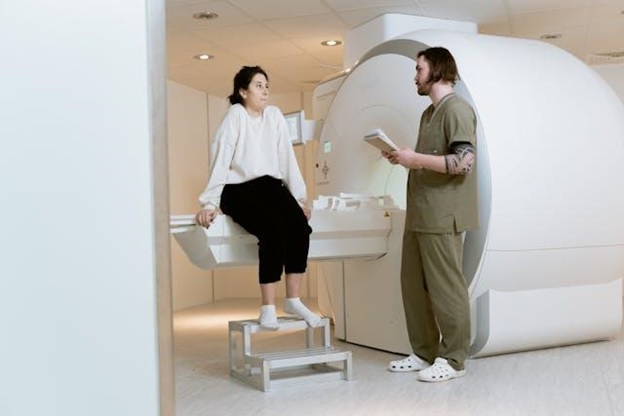
Table of Contents
How The Procedure Actually Works
Cryoablation itself is not entirely new. Doctors have used extreme cold to destroy abnormal tissue for years. But combining it with live MRI guidance changes the level of precision dramatically.
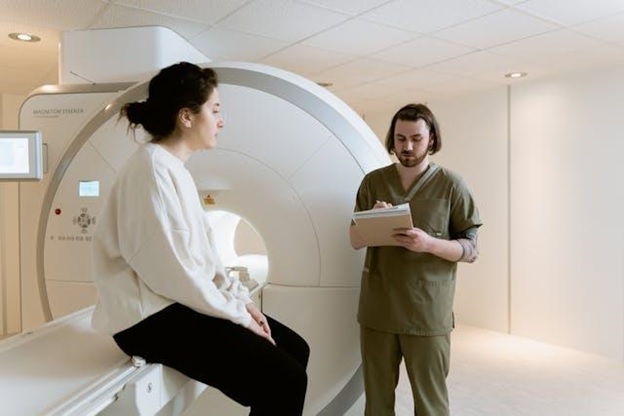
During the procedure, clinicians insert one or more slim probes through the skin and carefully guide them toward the tumor while monitoring everything through MRI scans in real time.
Once the probe reaches the correct position, it rapidly cools using argon gas or liquid nitrogen systems. This creates what doctors call an “ice ball” around the tumor.
As the tissue freezes, cancer cells begin to die.
What makes MRI guidance especially important is the visibility. MRI scans show soft tissue in far greater detail than many traditional imaging methods, allowing doctors to watch the freeze zone expand second by second.
That means they can stop or adjust treatment before nearby nerves, organs, or blood vessels become damaged.
In areas like the spine, kidneys, or liver, where just a few millimeters can make a major difference, that precision matters enormously.
Doctors also use repeated freeze and thaw cycles because the thawing process itself helps increase damage to cancer cells.
For many patients, only local anesthesia and mild sedation are needed.
And because the treatment avoids large surgical cuts, recovery is often significantly easier than open surgery.
Why Doctors Believe It Could Change Cancer Care
One of the biggest advantages of MRI guided cryoablation is the ability to treat tumors while minimizing collateral damage to healthy tissue.
Traditional surgery can involve muscle disruption, longer hospital stays, and increased pain afterward. But this minimally invasive approach may reduce those burdens for carefully selected patients.
The treatment is particularly useful for patients who may not be ideal candidates for major surgery due to age, other health conditions, or tumor location.
MRI guidance also eliminates the need for continuous radiation exposure during the procedure, unlike some CT guided approaches.
And while the procedure itself may take longer, many specialists believe the increased accuracy makes the extra time worthwhile.
Researchers continue studying how effective cryoablation can be across different cancers, including tumors in the kidney, liver, breast, bones, and spine.
The Treatment Is Also Helping Patients With Severe Pain
While headlines often focus on destroying tumors, pain relief is becoming one of the most important reasons patients receive cryoablation treatment.
Tumors near the spine or inside bones can cause intense pain by pressing against nerves and surrounding tissue. In some cases, patients are left relying heavily on strong pain medication or facing difficult surgery.
Cryoablation offers another option.
Because MRI scans clearly show nerve pathways and delicate structures, doctors can carefully shape the freezing area while protecting critical tissue nearby.
One patient highlighted in Australian media coverage was 64 year old Josephine Cordina, who reportedly suffered from severe pain caused by a tiny tumor pressing against her spine.
Rather than undergoing complex spinal surgery, she chose MRI guided cryoablation.
According to reports, she experienced dramatic relief shortly afterward.
“The next day I had no pain,” she said. “It was all gone.”
Of course, doctors stress that individual results vary depending on the patient, tumor type, and overall condition.
Still, stories like these are part of why hospitals are investing heavily in this technology.
Recovery Can Be Much Faster Than Traditional Surgery
Another major advantage is recovery time.
Because the procedure only requires a small probe inserted through the skin, many patients avoid large scars and extensive healing periods.
Some people are even able to return home the same day depending on the area treated and how their body responds afterward.
That shorter recovery can make a huge difference physically and emotionally, especially for cancer patients already exhausted from ongoing treatment.
Patients often regain mobility faster, experience less post procedure pain, and sometimes reduce their need for pain medications entirely.
Doctors still closely monitor recovery through follow up MRI or CT scans to make sure the treated area remains stable and the tumor does not return.
The Procedure Still Comes With Risks
Even though MRI guided cryoablation is minimally invasive, experts emphasize that it is not risk free.
If the ice ball spreads beyond the intended area, nearby organs, nerves, skin, or blood vessels can potentially be damaged.
Like any procedure involving probes inserted through the skin, there are also risks involving infection and bleeding.
That’s why careful planning and experienced specialists are critical.
Doctors monitor the freezing zone constantly during treatment and may even inject sterile fluid near nearby organs to create protective space between structures.
Patients are also carefully screened beforehand to determine whether the procedure is appropriate for their condition.
Not every tumor is suitable for cryoablation.
And for cancers that have spread extensively throughout the body, doctors may still recommend chemotherapy, surgery, radiation, or other treatments instead.
Why Liverpool Hospital’s New Facility Matters
The Sydney rollout is significant because Liverpool Hospital did not simply add one new machine.
The hospital opened an integrated interventional radiology suite that combines MRI, CT scanning, and angiography technology within the same treatment environment.
That setup allows doctors to perform complex minimally invasive procedures without constantly moving patients between departments.
Hospital leaders say the goal is to improve recovery times while giving patients access to more advanced treatment options closer to home.
The project is also part of the larger Liverpool Health and Academic Precinct redevelopment in Australia, a massive healthcare expansion expected to continue growing over the next several years.
Healthcare experts believe systems like this could eventually improve access to minimally invasive cancer treatments while reducing hospital stays and easing pressure on overloaded surgical departments.
Still, specialists caution that long term research is ongoing.
While cryoablation has shown promising results in certain cancers and pain management cases, researchers continue studying long term effectiveness, recurrence rates, and which patients benefit most.
What Patients Should Ask Before Considering Cryoablation
Doctors encourage patients to ask detailed questions before undergoing any cancer procedure.
Important questions include:
- What is the goal of treatment?
• Why is MRI guidance recommended in this case?
• What risks exist based on tumor location?
• How will nearby nerves and organs be protected?
• What kind of follow up scans will be needed?
• What symptoms after treatment require urgent medical attention?
Understanding the benefits and limitations clearly can help patients make informed decisions alongside their healthcare team.
For many people, MRI guided cryoablation may never replace traditional cancer treatment completely.
But for selected patients, it could offer something extremely valuable:
Less pain.
Faster recovery.
And a less invasive path through one of the hardest battles a person can face.
Disclaimer: This article is for informational purposes only and should not be considered medical advice. Always consult qualified healthcare professionals regarding diagnosis, treatment options, or medical concerns.