
Almost everyone has experienced it at some point.
You suddenly wake up in the middle of the night, check the clock, and there it is again. 3:17 AM.
Or maybe 4:08. You try turning over, adjusting the pillow, even closing your eyes harder somehow, but sleep just doesn’t come back easily.
At first it feels random. But when it keeps happening over and over again, it can start becoming exhausting both physically and mentally.
A lot of people assume something must be seriously wrong when they wake up during the night, but sleep experts say occasional nighttime waking is actually very normal. The real issue starts when it becomes frequent and staying asleep turns into a struggle almost every night.
So why does this happen?
Waking Up During The Night Is More Common Than People Think
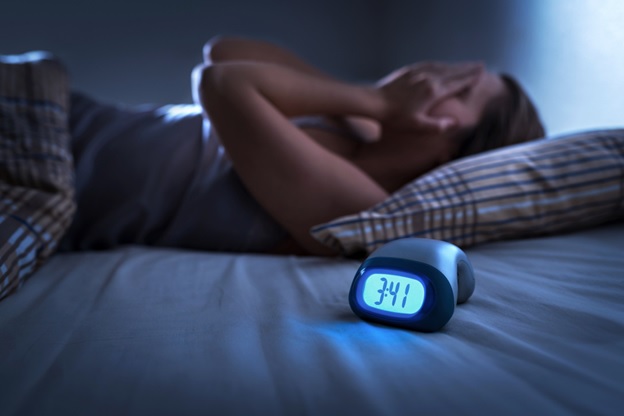
Human sleep works in cycles. Throughout the night, the brain moves between light sleep, deep sleep, and REM sleep, which is the stage most connected with dreaming. These cycles repeat several times before morning.
Most people briefly wake up multiple times during the night without even realizing it because they fall back asleep almost instantly.
But waking up around 3 AM and then lying awake for an hour staring into darkness is a different story altogether.
When that starts happening regularly, there’s usually an underlying reason somewhere in the background.
Stress Is One Of The Biggest Causes

Modern life keeps the brain constantly switched on. Work pressure, money worries, family responsibilities, relationship issues, and even nonstop phone notifications can leave the nervous system overstimulated long after bedtime.
Stress affects hormones inside the body and can activate what’s known as the “fight or flight” response. That state raises heart rate and body temperature, both of which make deep sleep harder to maintain.
Even if someone falls asleep easily at first, stress can pull them awake a few hours later once the body shifts into lighter sleep stages.
Sometimes the stress is temporary. A difficult week at work or emotional situation can disrupt sleep for days or weeks. But chronic stress tends to create ongoing sleep problems that become harder to ignore.
Simple habits like meditation, breathing exercises, journaling before bed, or reducing screen time at night can help calm the mind more than people realize. Not perfectly maybe, but enough to make a difference over time.
Insomnia May Be Part Of The Problem

For some people, the issue goes beyond occasional bad sleep.
Insomnia is a real medical condition that affects millions of adults. It can involve difficulty falling asleep, waking up repeatedly through the night, or getting up way too early and not being able to rest again.
The frustrating part is that insomnia often creates anxiety around sleep itself. People become worried about not sleeping, which ironically keeps the brain even more alert at night.
If sleep problems continue for weeks and begin affecting daily life, doctors usually recommend getting evaluated rather than trying to “push through it.”
Aging Changes Sleep More Than Most People Expect

As people get older, sleep naturally becomes lighter and more fragmented. Deep sleep tends to decrease with age, making older adults more sensitive to noise, movement, temperature changes, and light.
That’s one reason many people notice they begin waking up earlier or more often as they age, even if they slept perfectly fine in younger years.
Certain medications taken later in life can also interfere with normal sleep patterns without people immediately connecting the two things together.
Some Medications Quietly Affect Sleep

A surprising number of common medications can interfere with sleep quality.
Cold medicines, antidepressants, steroids, blood pressure medications, and even some over the counter products may make it harder to stay asleep through the night.
Sometimes people spend months blaming stress or caffeine when the actual issue started after beginning a new prescription.
That’s why doctors often recommend reviewing medications whenever unexplained sleep problems suddenly appear.
Health Conditions Can Trigger Night Wakings Too

There are also several medical conditions strongly linked to interrupted sleep.
These include sleep apnea, acid reflux, depression, menopause, restless leg syndrome, chronic pain conditions, enlarged prostate, and nerve related issues.
Some conditions cause breathing interruptions during sleep. Others create pain, discomfort, tingling sensations, or repeated trips to the bathroom throughout the night.
Many people don’t even realize an underlying health issue is affecting their sleep until symptoms become more noticeable over time.
Everyday Habits Matter More Than People Think

Sometimes the biggest sleep disruptors are the small habits repeated every single day.
Drinking caffeine too late, scrolling on the phone before bed, eating heavy meals at night, consuming alcohol close to bedtime, smoking, or sleeping at inconsistent hours can all confuse the body’s internal sleep rhythm.
Even afternoon naps can sometimes make nighttime sleep worse, especially if they happen too late in the day.
The brain really likes routine, even if people don’t.
Better Sleep Usually Starts With Simple Changes

Sleep experts often say consistency matters more than perfection.
Going to bed and waking up around the same time daily can help regulate the body clock naturally. Keeping the bedroom cool, dark, and quiet also improves sleep quality more than many expect.
If sleep doesn’t come after about 20 minutes, it’s usually better to get up briefly instead of lying in bed getting frustrated. Reading quietly, meditating, or doing breathing exercises can sometimes help the brain relax enough to drift off again.
Exercise during the day also plays a major role in better sleep, although intense workouts too close to bedtime may have the opposite effect for some people.
And honestly, occasional sleepless nights happen to everyone. Stressful weeks, emotional events, or changes in routine can temporarily throw sleep off balance.
But if waking up between 3 AM and 5 AM becomes a regular pattern that leaves someone exhausted every day, it may be worth paying attention to what the body is trying to say.