
Kids have a funny way of asking the kinds of questions adults completely overlook.
Sometimes they ask something so simple that it leaves everyone in the room speechless for a second.
One parent recently shared how their daughter suddenly asked what the “T” in T shirt actually stands for. Sounds easy, right? But surprisingly, a lot of people have never really thought about it before.
We wear T shirts almost every single day. Around the house, at school, while working out, sleeping, shopping, basically everywhere. Yet most people never stop to wonder where the name even came from.
And honestly, the answer is much simpler than most would expect.
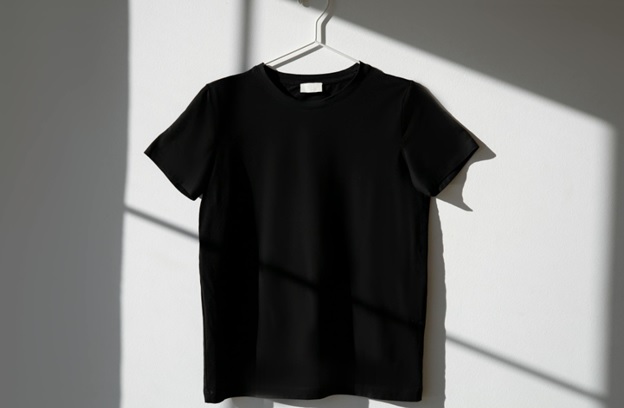
The name comes directly from the shape of the shirt itself.
Lay a regular T shirt flat on a bed or table and it becomes obvious almost instantly. The body hangs straight downward while the sleeves stretch out sideways, forming the shape of the capital letter “T.”
That’s literally it.
Many people assume the “T” must stand for something complicated like “training,” “team,” or maybe some old textile term. But no, the name is purely visual. Someone noticed the shape and the name simply stuck.
Once you realize it, you can’t really unsee it anymore.
What makes this kind of thing interesting is how language works in everyday life. A lot of common words were created in really practical ways, but after years of using them we stop noticing the original meaning behind them.
T shirt is just one example.
Think about the word “V neck.” It’s called that because the neckline forms a V shape. Even “croissant” comes from the French word for crescent because the pastry looks like a crescent moon.

Humans naturally name things based on appearance. If something resembles a shape, image, or object, chances are the name will come from that connection.
The history of the T shirt itself is also more interesting than people think.
Originally, T shirts were never meant to be fashionable. Back in the late 1800s and early 1900s, they were mainly used as undergarments by workers, soldiers, and laborers. They were light, breathable, easy to wash, and far more comfortable than the stiff button up shirts people wore at the time.
Wearing only a T shirt in public back then would have been considered too casual, almost like stepping outside in underwear.
But comfort always wins eventually.
Over time, more people started wearing them openly because they were practical and easy to move around in. Then Hollywood helped push things even further.
Actors in classic films started appearing in plain white T shirts and somehow made the simple look feel cool and effortless. Younger generations quickly picked up on it. Suddenly the basic undershirt became a fashion statement.
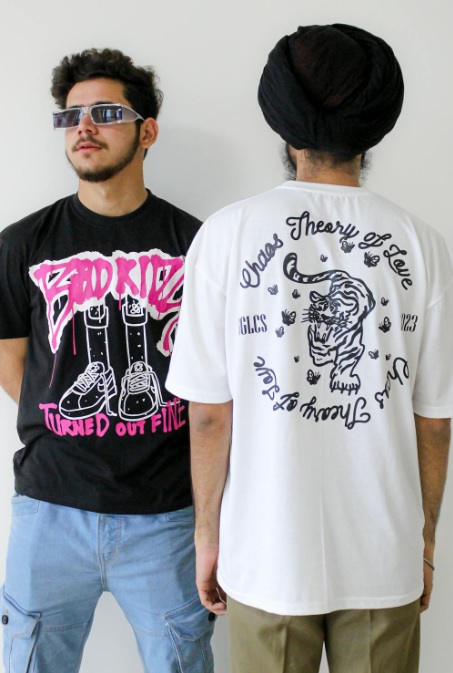
By the 1950s and 1960s, the T shirt had fully entered mainstream fashion.
Then came printed shirts, and everything changed again.
T shirts became more than clothing. They became a way for people to show personality, interests, humor, music taste, sports loyalty, and even political opinions. Band logos, graphic art, funny slogans, movie references, travel souvenirs, almost anything could end up on a T shirt.
Honestly, you can sometimes learn a surprising amount about someone just by looking at what’s printed on their shirt.
Some people love oversized vintage tees while others stick to plain fitted ones in neutral colors. Some collect concert shirts. Others buy designer versions that cost more than an entire outfit should probably cost.
Still, despite all the styles and trends, the T shirt remains one of the most universal clothing items ever created.
Kids wear them. Grandparents wear them. Every country has them in some form.
And the funny thing is, English is full of words built using this same simple logic.
“Breakfast” literally means breaking the fast after sleeping.
A “notebook” is a book for notes.
A “keyboard” is simply a board with keys.
Even “cupcake” originally referred to a small cake baked in a cup.
Once you notice these patterns, language starts feeling less random and a lot more creative.
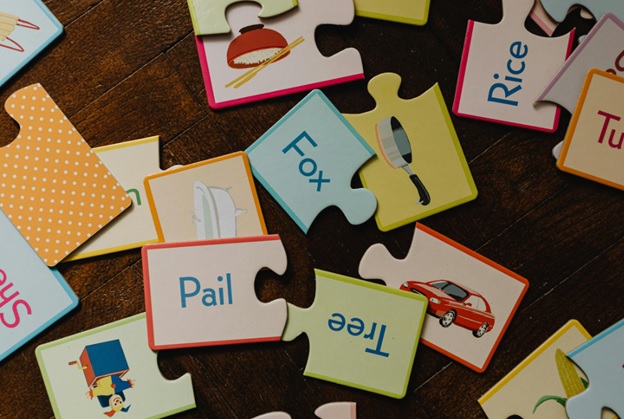
English especially loves combining words together. Linguists call them compound words. Some are obvious, like “toothbrush” or “sunflower,” while others become so common that people forget what they originally meant.
Some words even evolved from misunderstandings over time.
For example, the word “nickname” actually came from the old phrase “an ekename,” meaning an additional name. Eventually people misheard and reshaped the phrase until it became “a nickname.”
“Goodbye” also changed over centuries. It originally came from the phrase “God be with ye.”
Even “jeans” has roots tied to Genoa, Italy, where the fabric became associated with sailors and workers before the word slowly evolved into the version we use today.
Language changes constantly because humans naturally shorten things, simplify phrases, and create names based on convenience.
And that’s exactly what happened with the T shirt.
Nobody sat down trying to invent some fancy fashion industry term for it. Someone simply noticed the shirt looked like a giant letter T and the name stayed around.
What’s really great about children’s questions is how they force adults to pay attention to ordinary things again.
Adults often move through life without thinking much about the words they use every day. Kids don’t do that. They question everything.
Why are hamburgers called hamburgers if there’s no ham in them?
Why do we drive on parkways and park in driveways?
Some questions have logical answers. Others honestly make language seem completely ridiculous.
But that’s part of what makes words so fascinating in the first place.
And after learning where the T shirt got its name, there’s a pretty good chance you’ll never look at one the same way again.